
At IBC, we’re kicking off the year by catching up with a rider who’s pushing the absolute limits of bodyboarding.
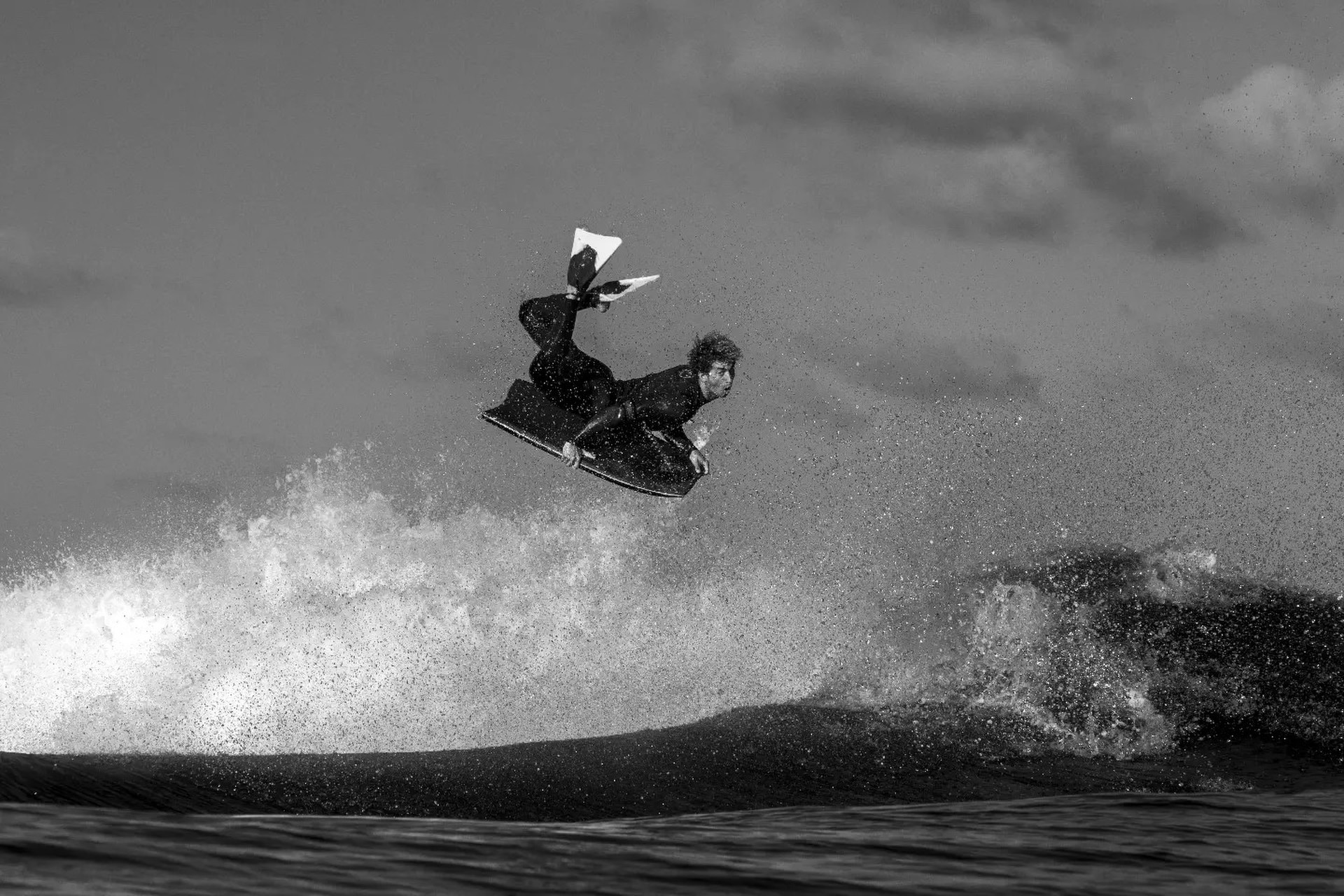
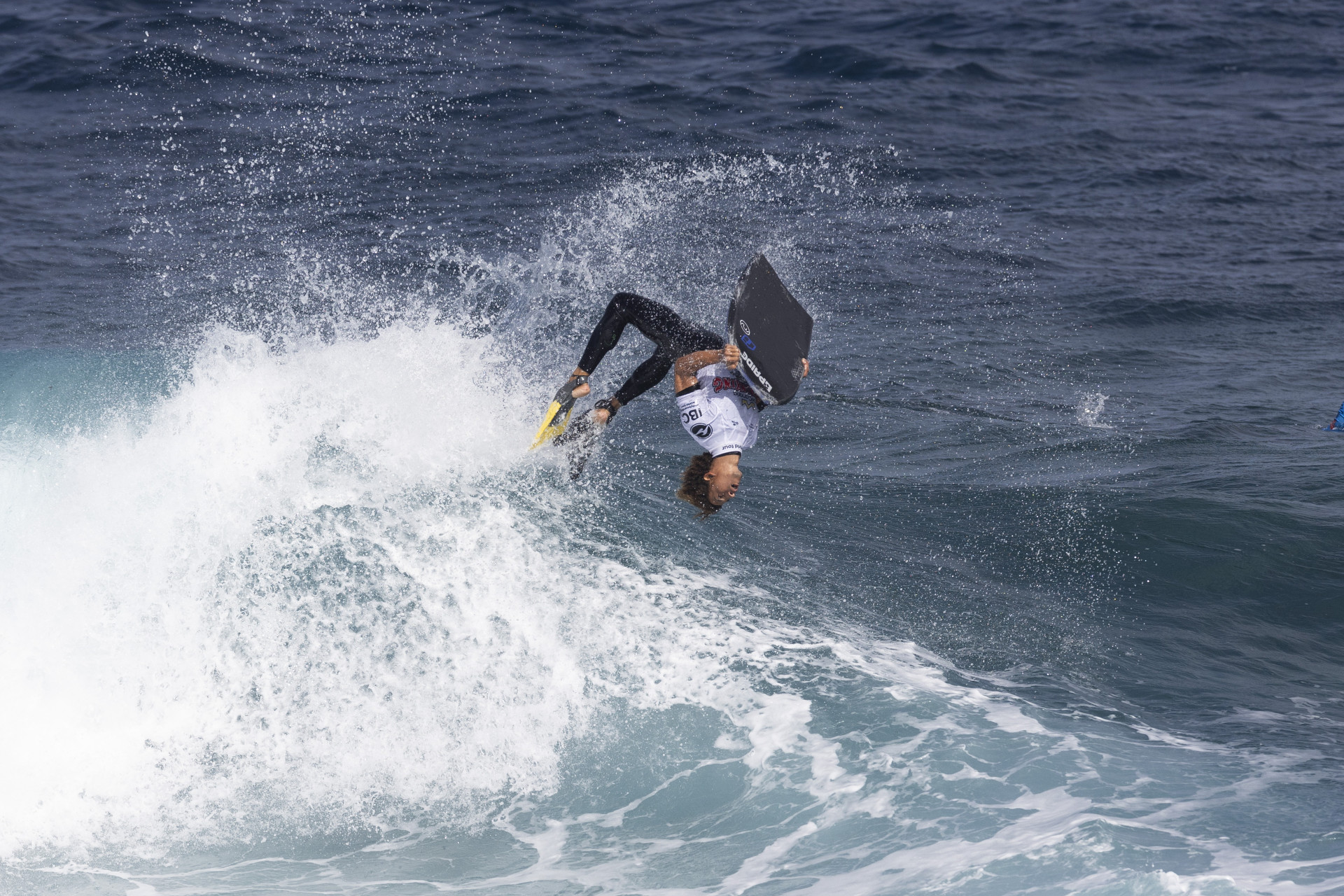
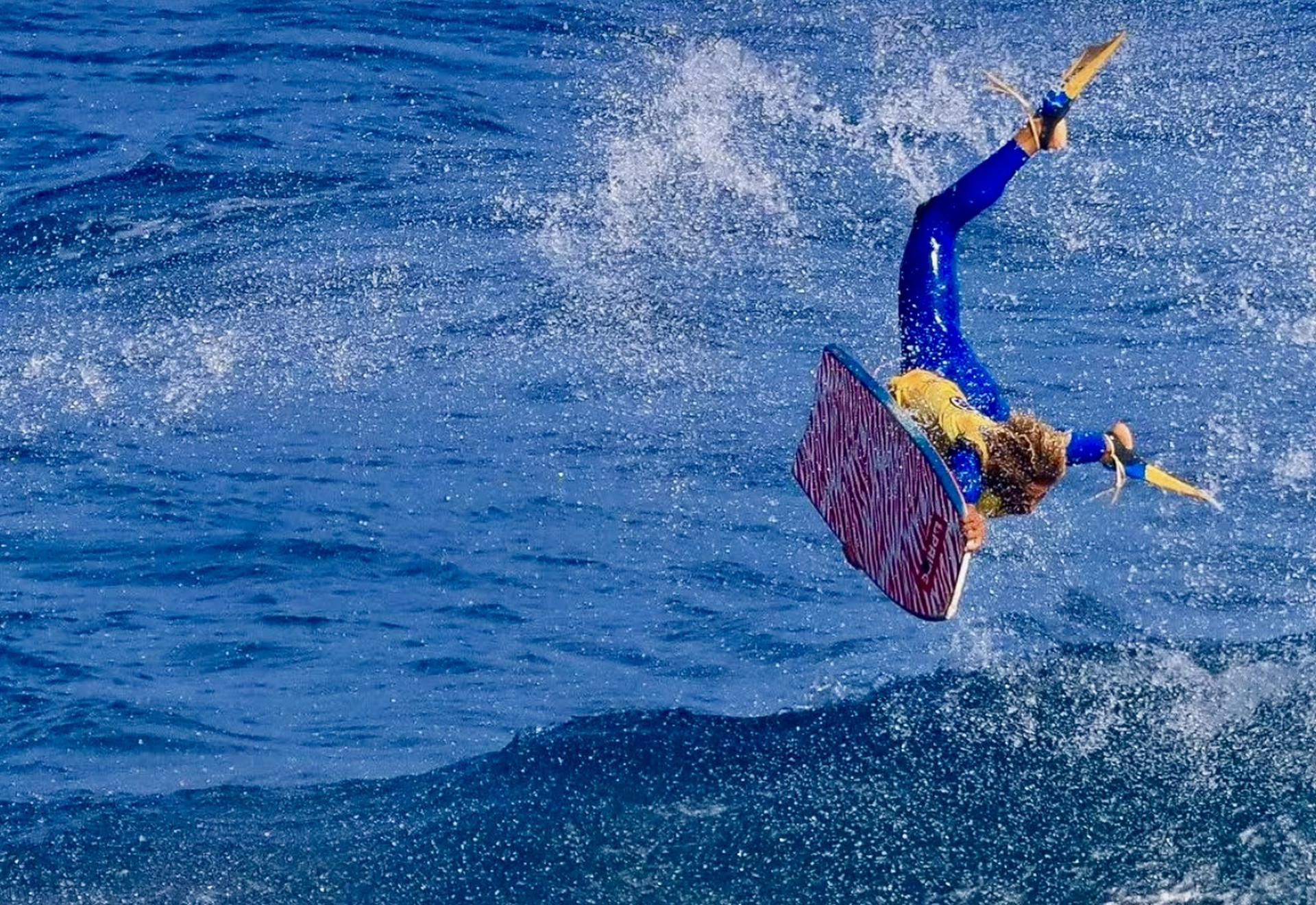
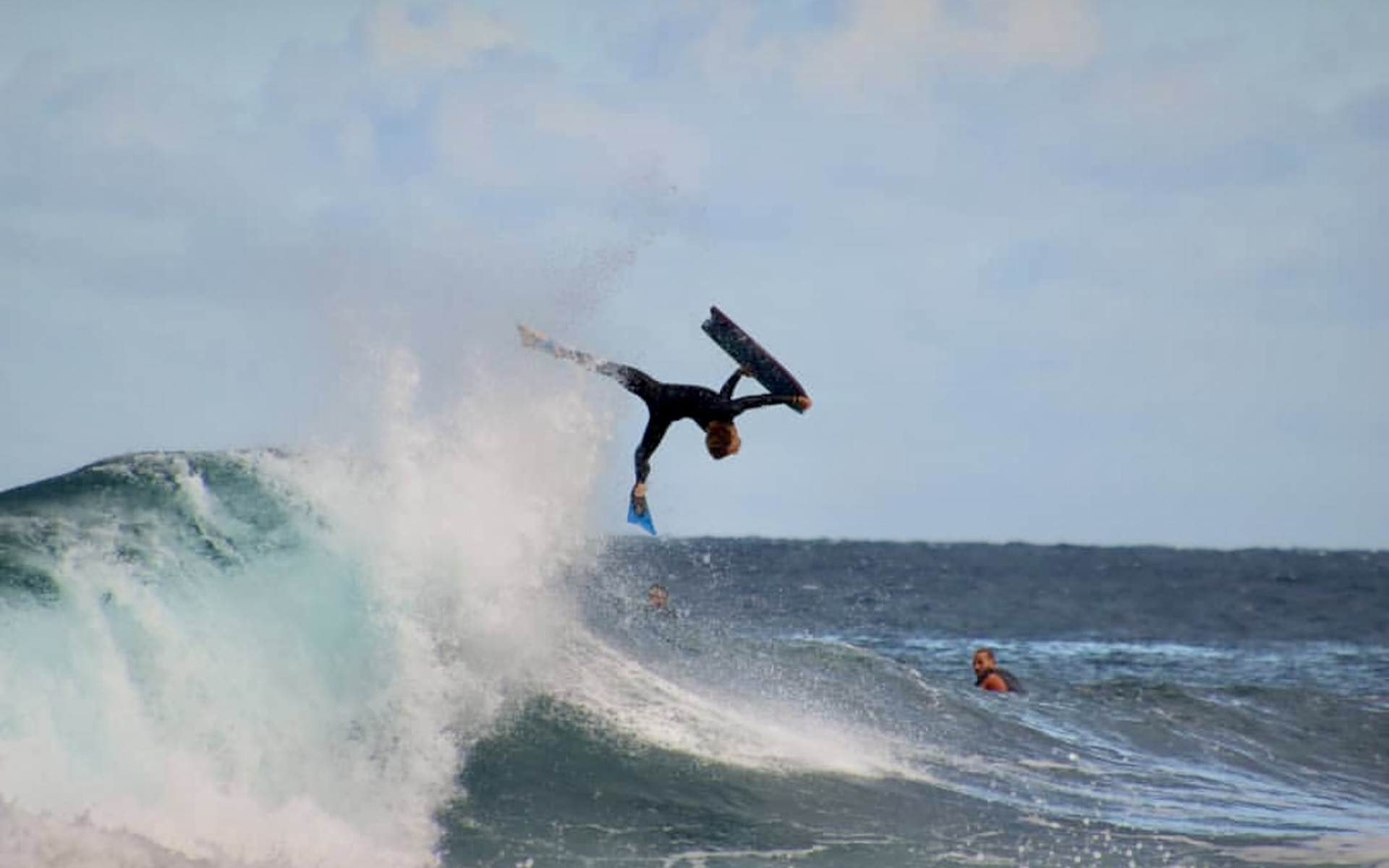
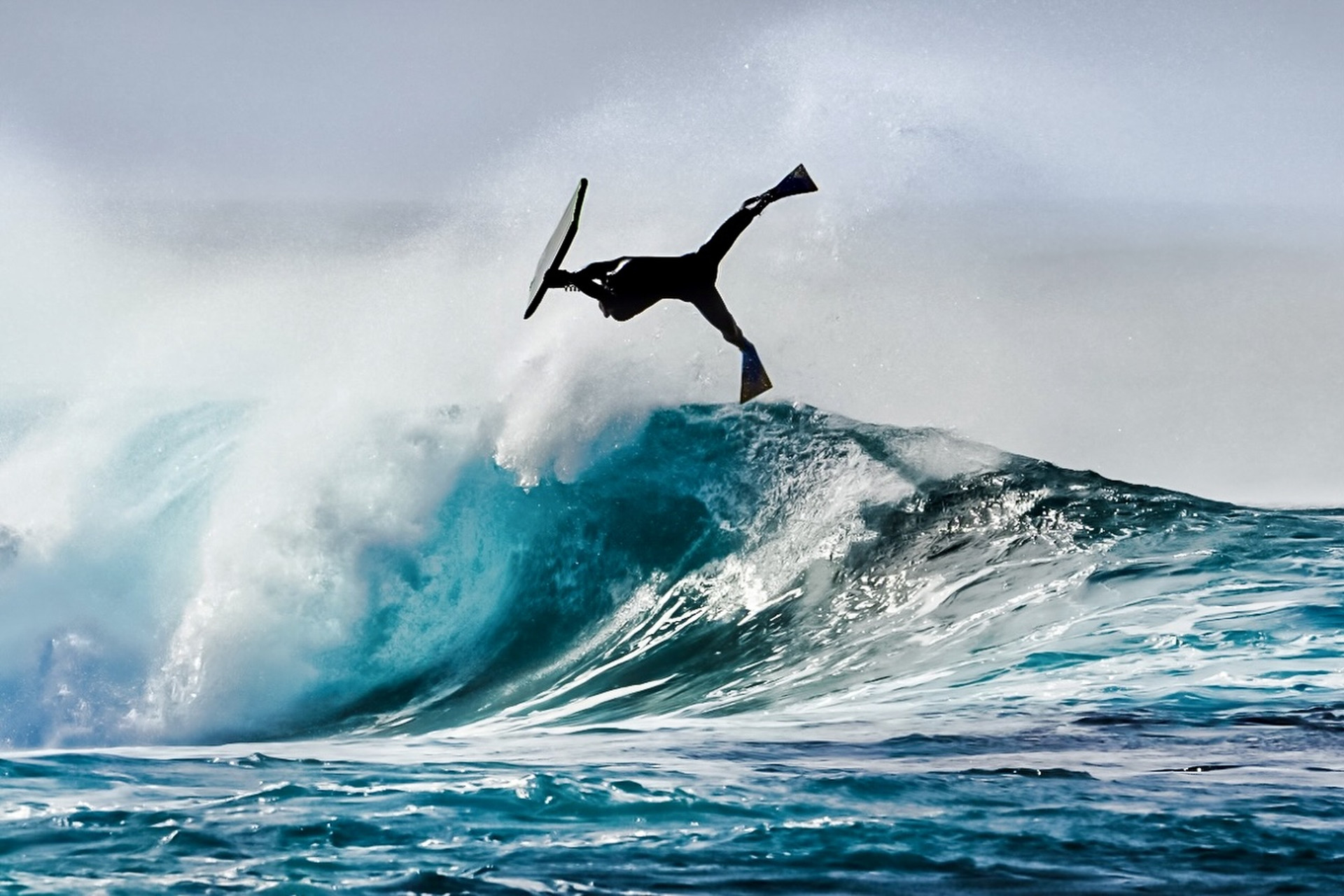
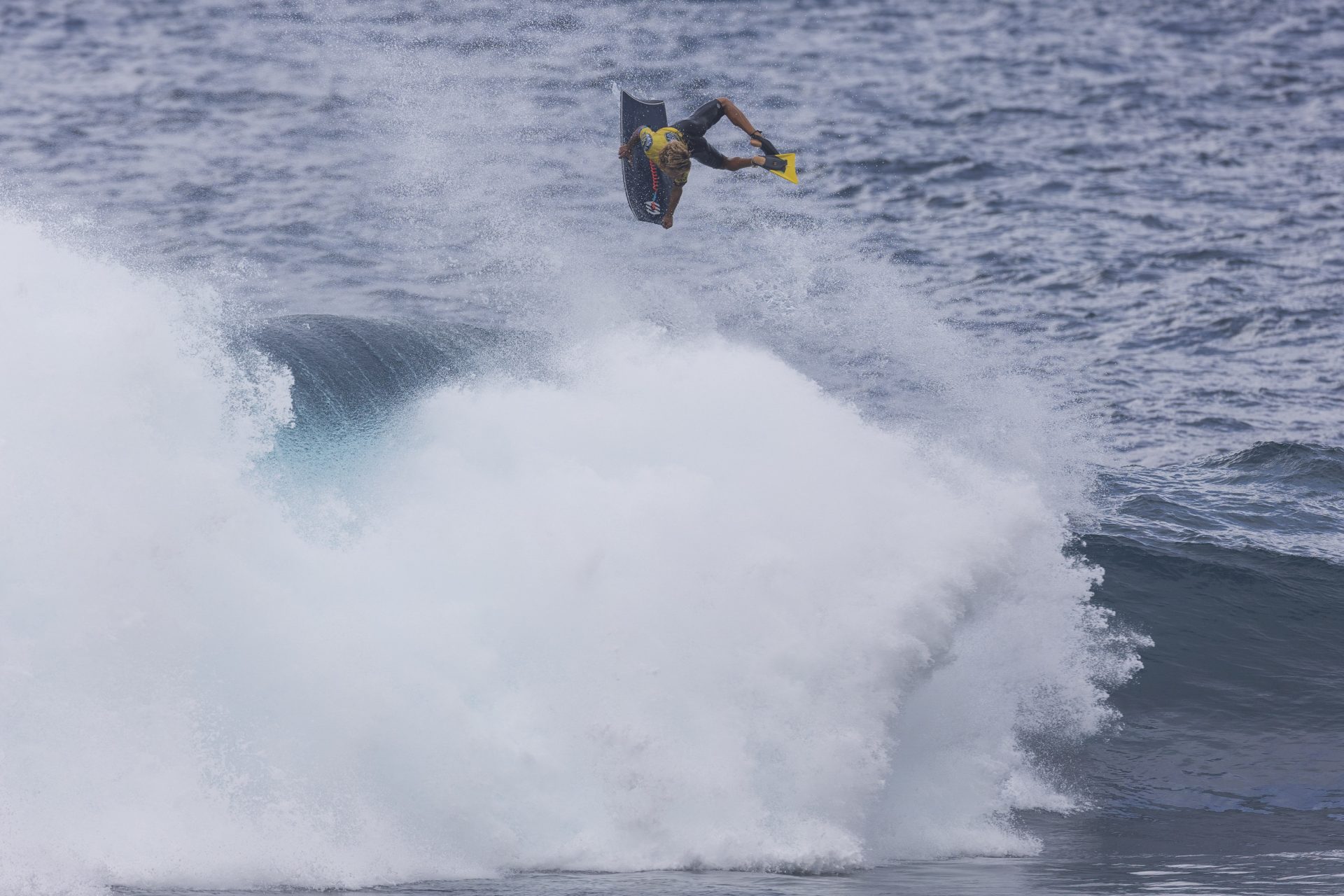
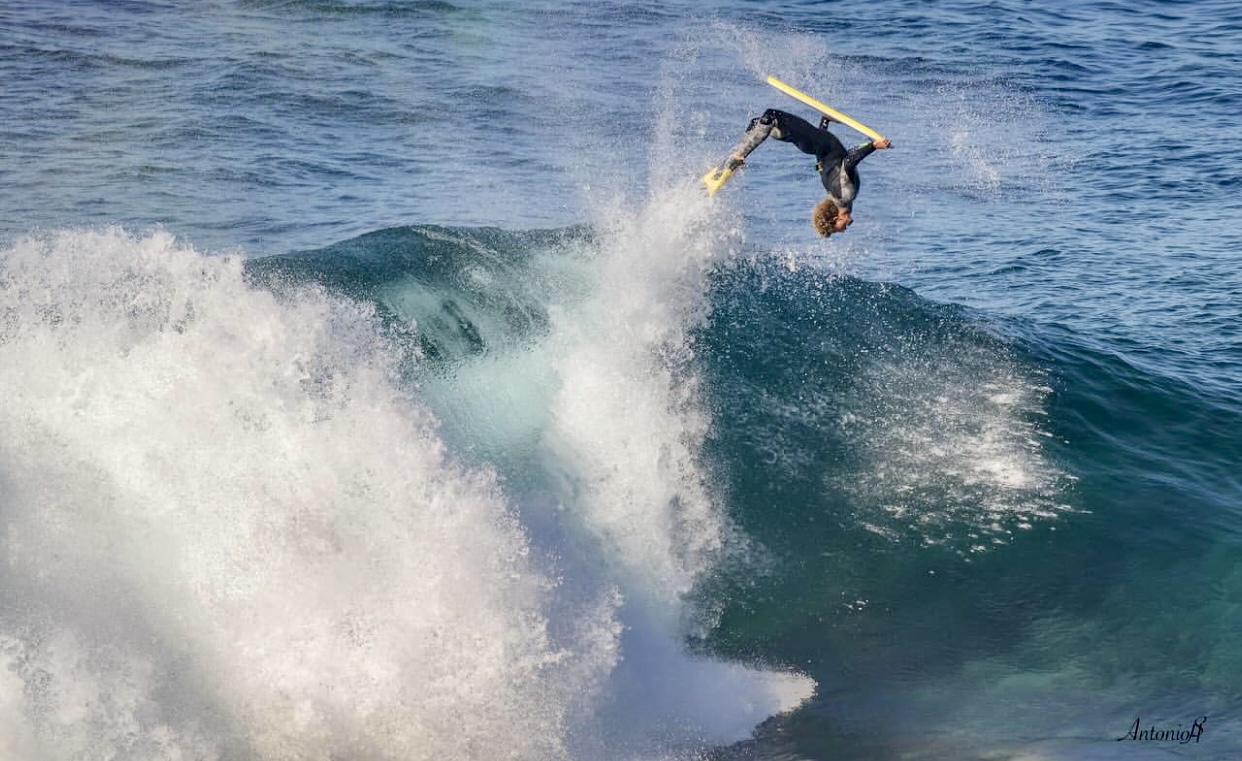
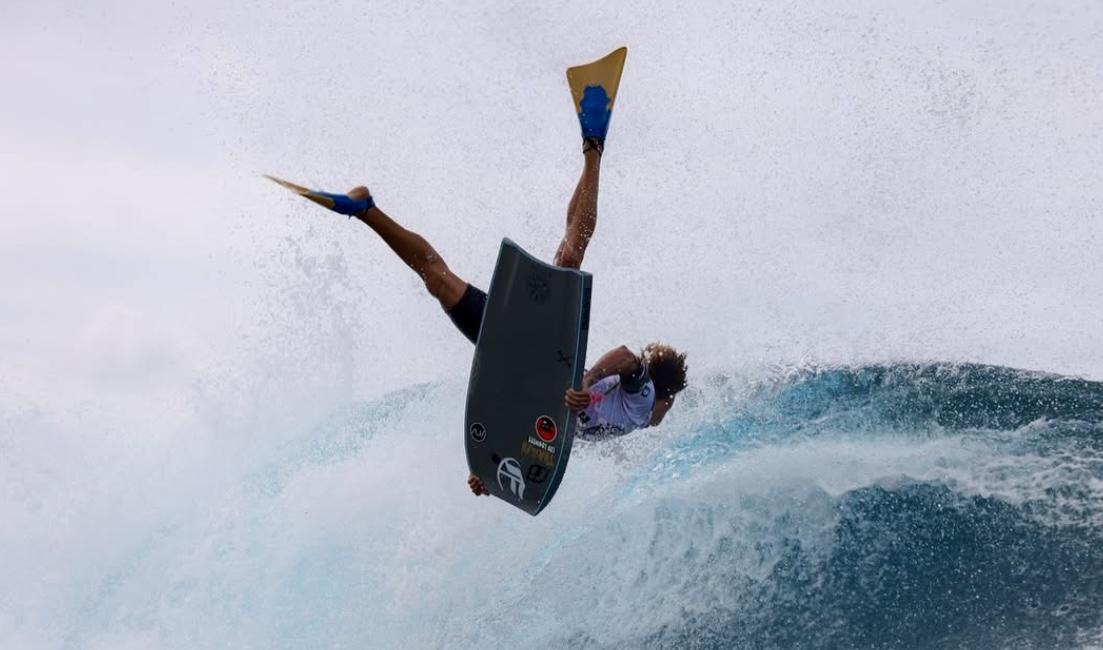
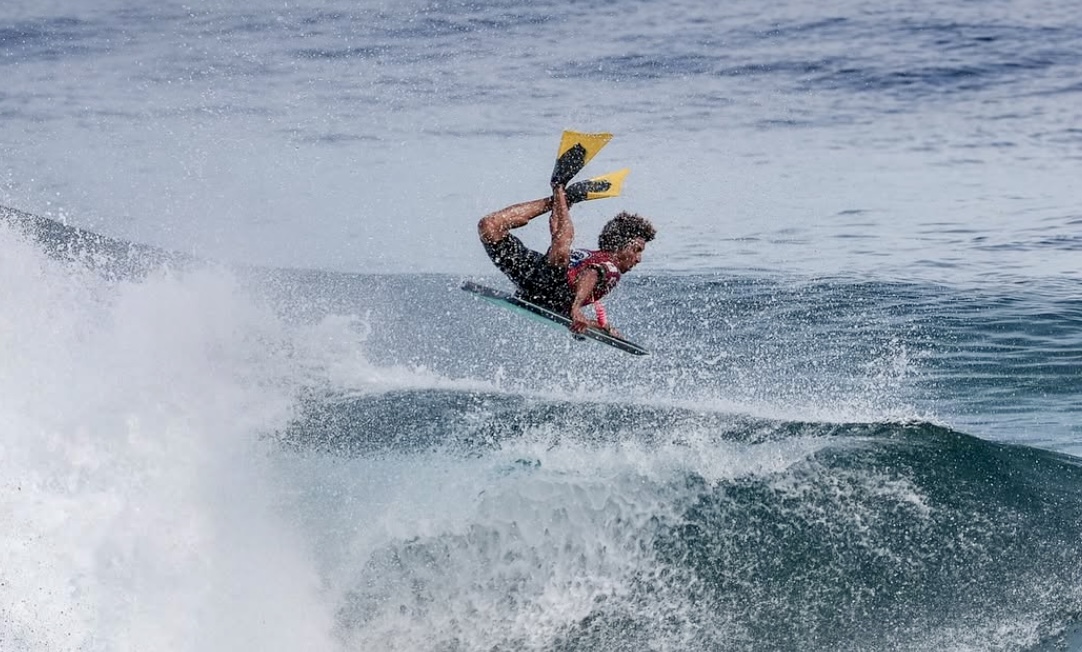
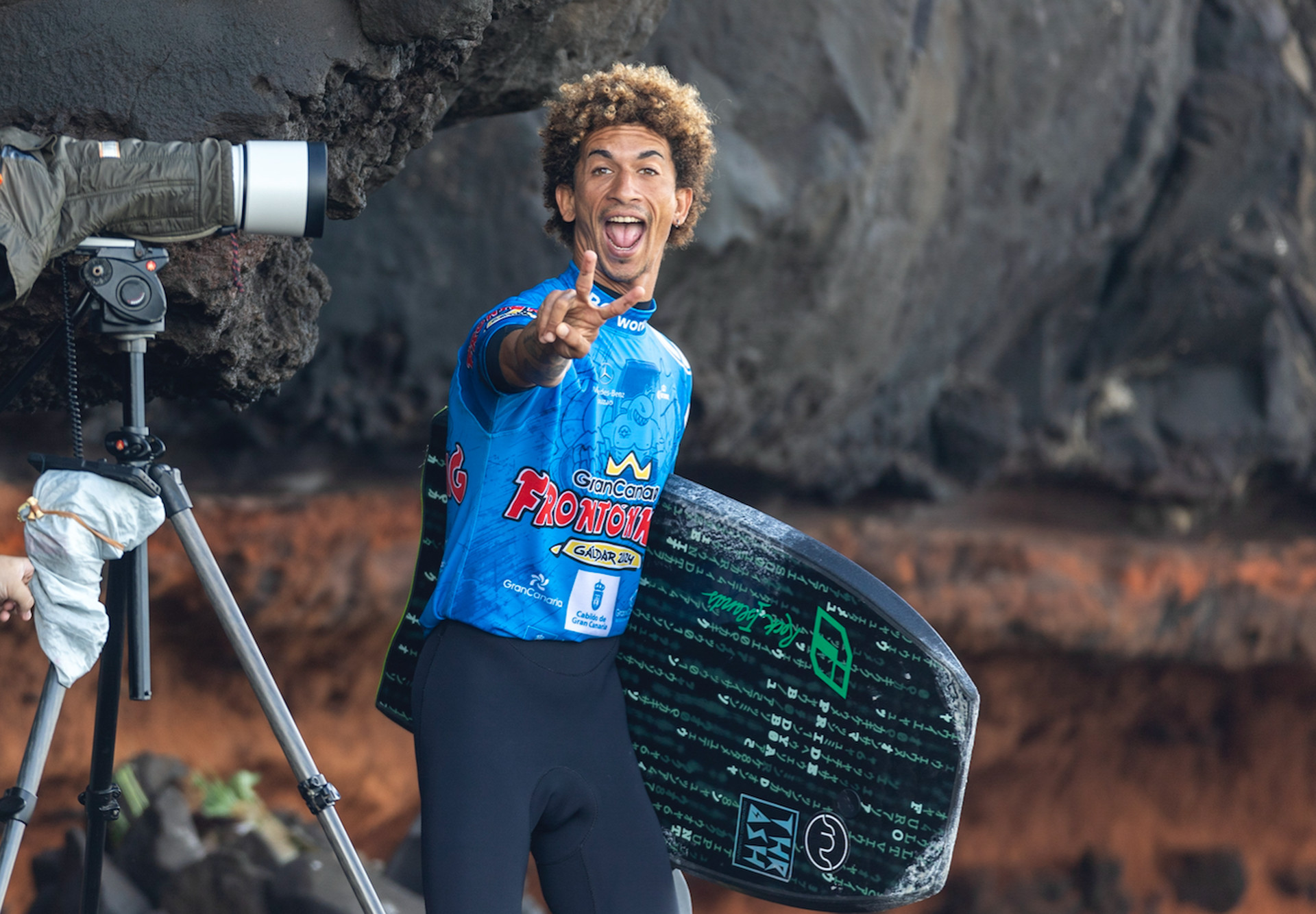
He’s a 30-year-old athlete originally from Reunion Island, currently calling the Canary Islands home. His go-to move? The Air Invert Reverse—a maneuver very few can pull off, yet one he’s totally mastered.
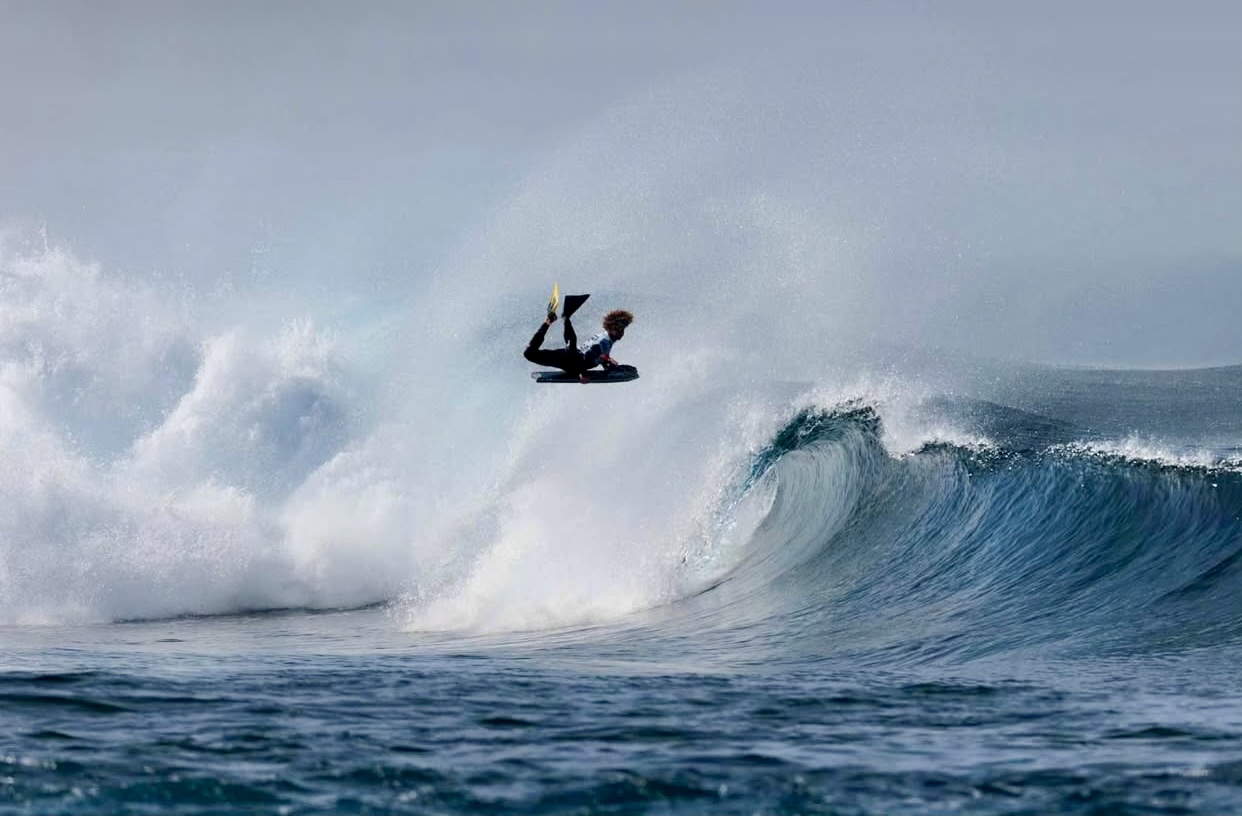
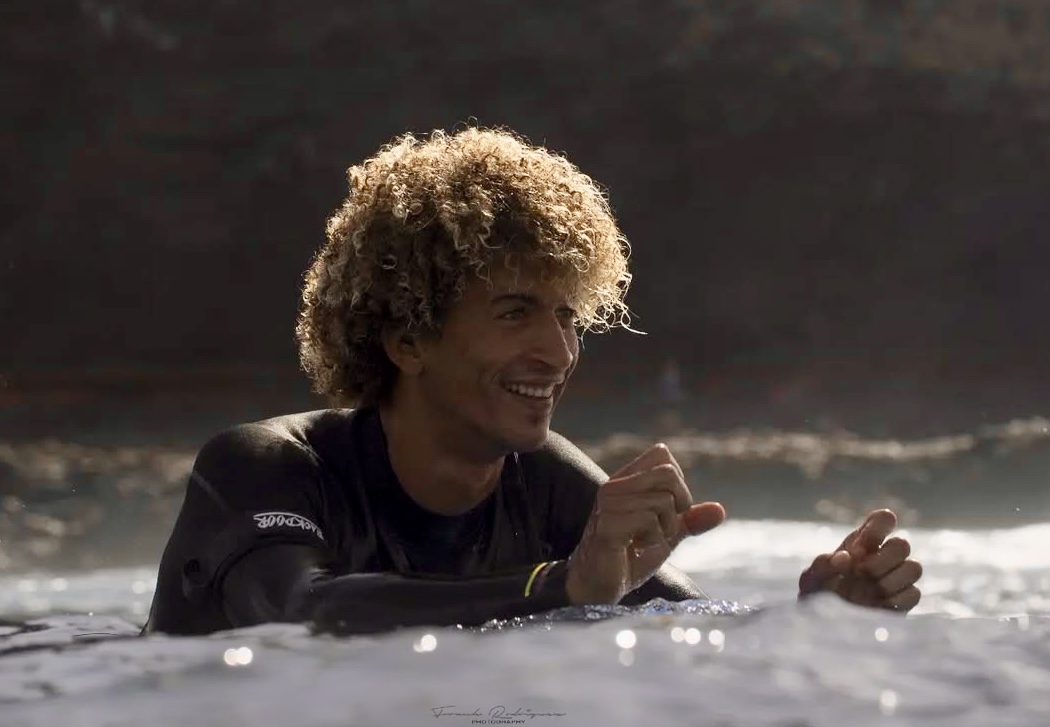
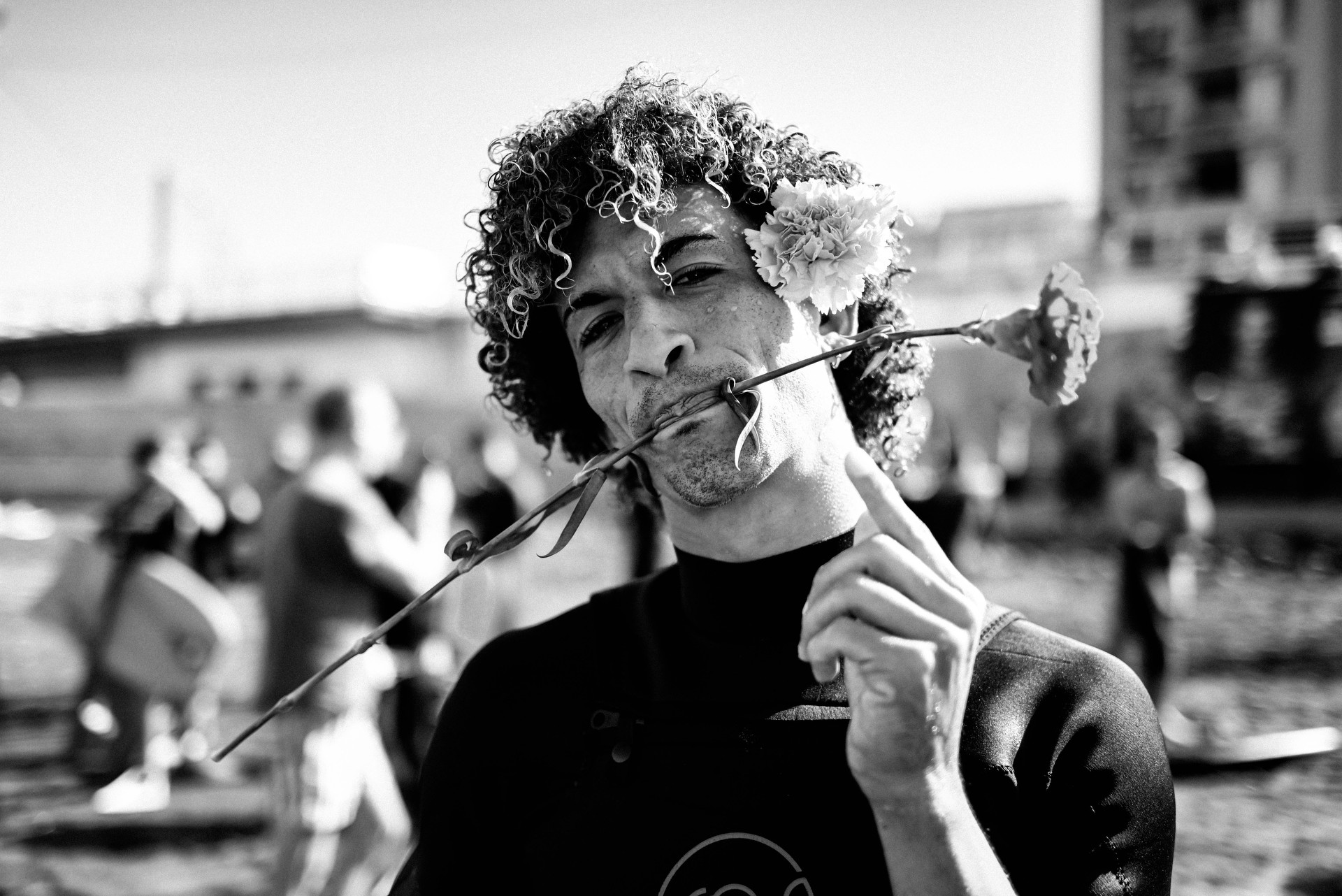
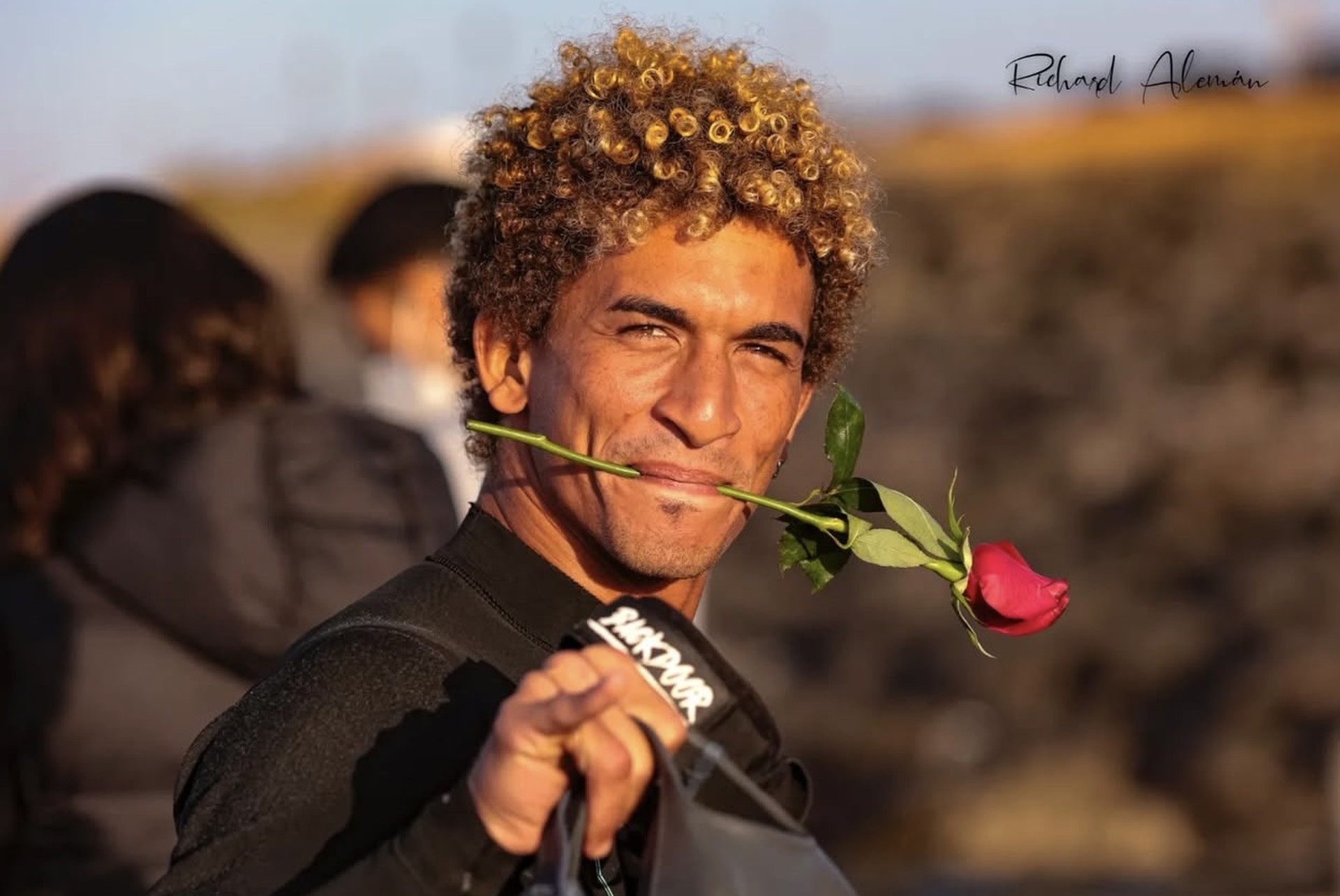
More than anything, Robin is the kind of guy who radiates good vibes and stays stoked, inspiring everyone lucky enough to paddle out or hang out with him.
We’re stoked for you to get to know this rider a bit better. Between his innovative style and radical approach to the waves, he’s definitely carving out his place in the history of our sport.
Ladies and gentlemen:
ROBIN LEGROS
- How was your childhood on Reunion Island?
I would say that I had a beautiful family that helped me grow up with my two sisters, and my father was a blessing. I was fortunate to have everything I needed to become who I am today as a person. We were united and loved, thanks to my dad. I had the chance to try out any sport, and I loved doing everything, even though the sea was always my favorite place. I spent a lot of time playing basketball and mountain biking before discovering bodyboarding. I also had a brief career in shooting sports with guns, but I eventually got bored of it.
- How did you get started in bodyboarding?
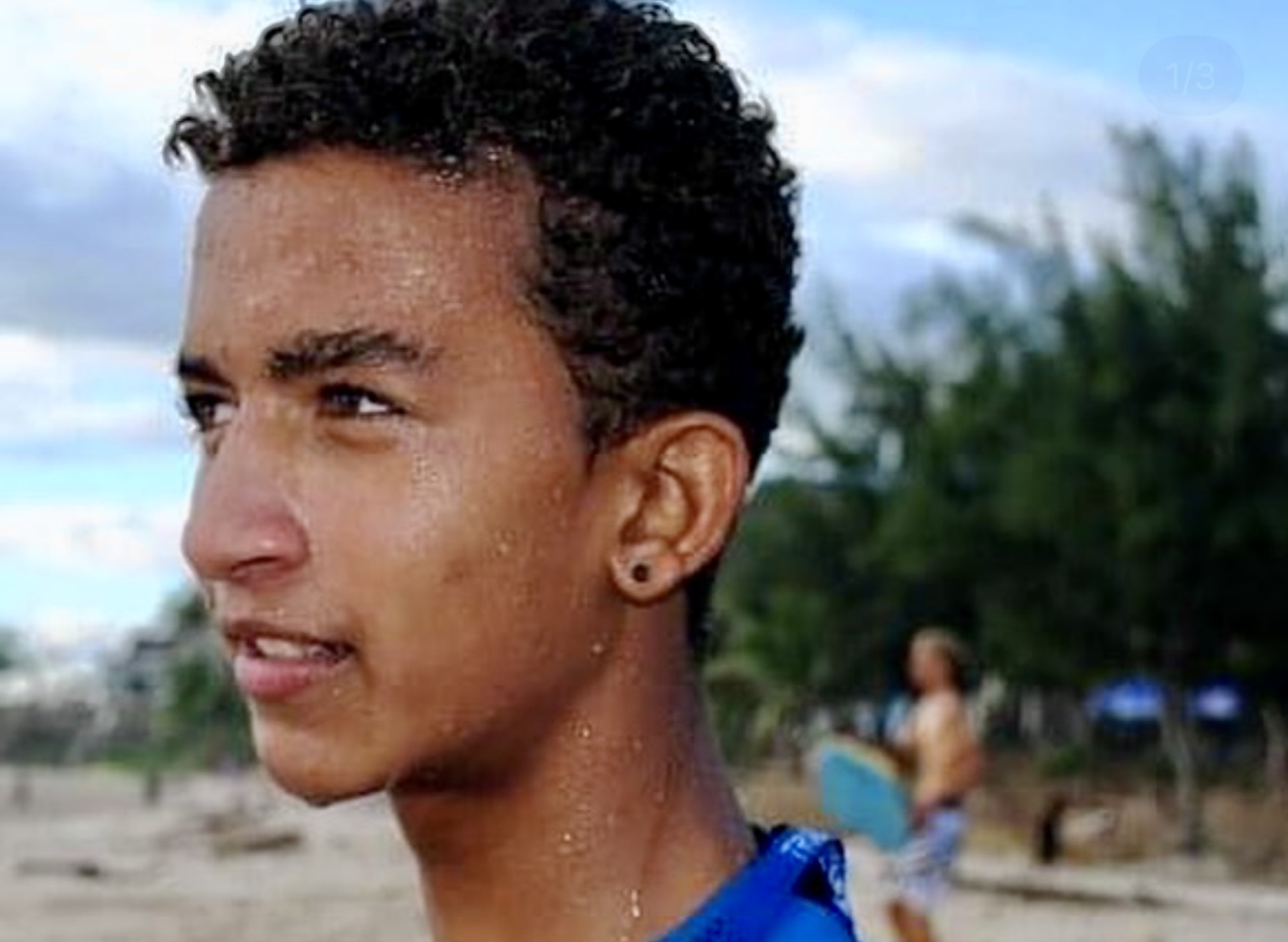
It’s kind of funny, I had to give everything a try at a young age, but I ended up on the big waves at the first beach I surfed, Boucan-Canot and finished to see myself at 7 years old in 2m waves than stop until I get back bodysurfing later at Les Aigrettes some friend give me a board and everything start from there. I was always bodysurfing for about 5 years before get into bodyboarding, using it as my switch mode (bodysurfing on weekends and swimming lessons during the week). I did compete sometimes, but I didn’t really stick with it, even though I was good. Then time flew by, and I spent my days swimming, biking, bodysurfing, running with my family, and partying with my friends.
- A few years ago you decided to move to the Canary Islands. Why did you make that decision and why choose the Canary Islands?
I decided to move to the Canary Islands, first because of the waves, but then I really connected with the way of life, which was quite similar to my home. I had to leave my home due to the shark crisis… I lost many friends, and I couldn’t sleep at night. After years of poor sleep, I wanted to find a way to stay healthy and keep making big progress in our sport. Gran Canaria became my place, even though I first stopped in Lanzarote to live before finding my home in Gran Canaria, the capital of bodyboarding.
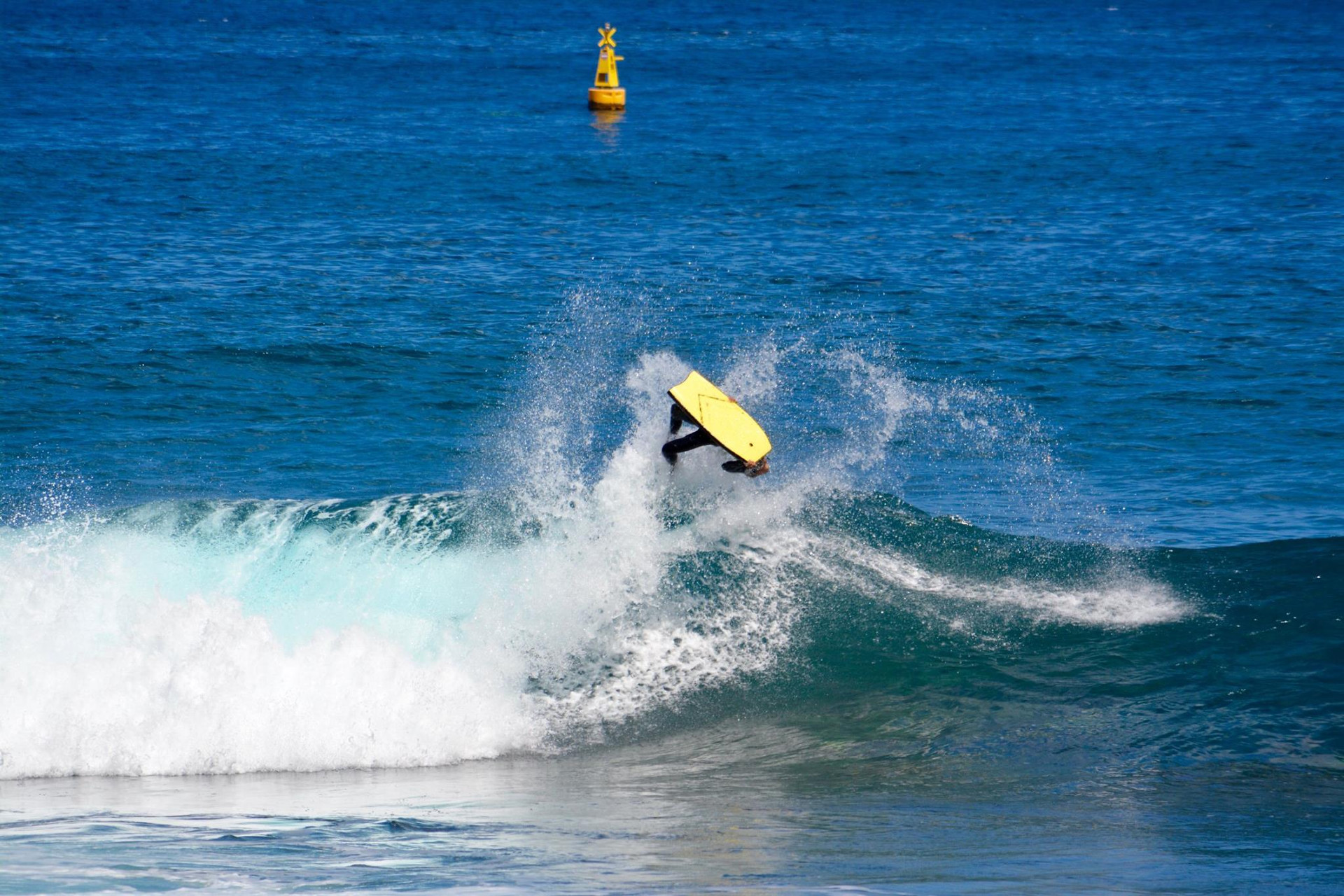
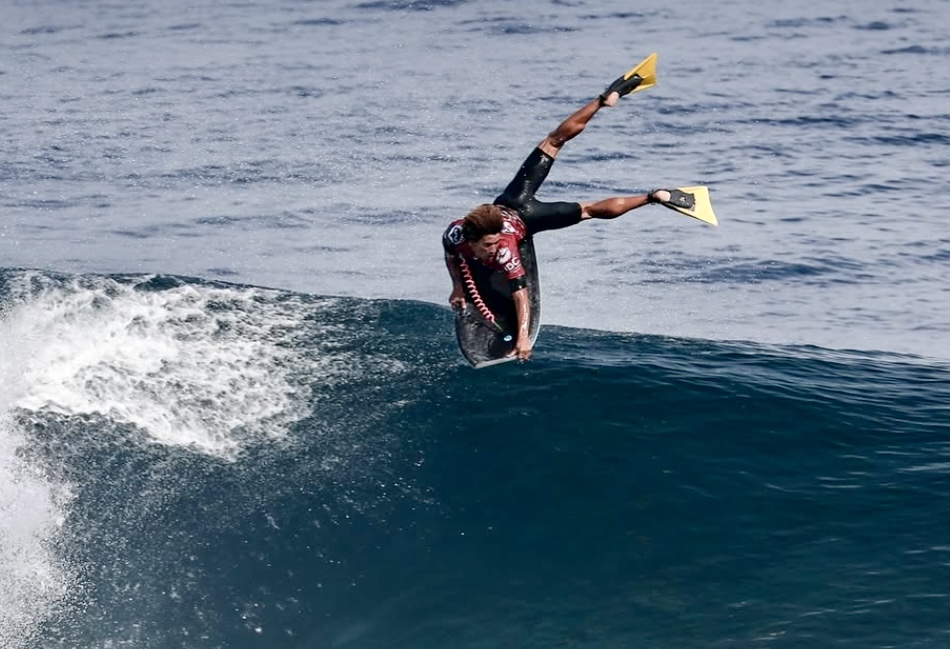
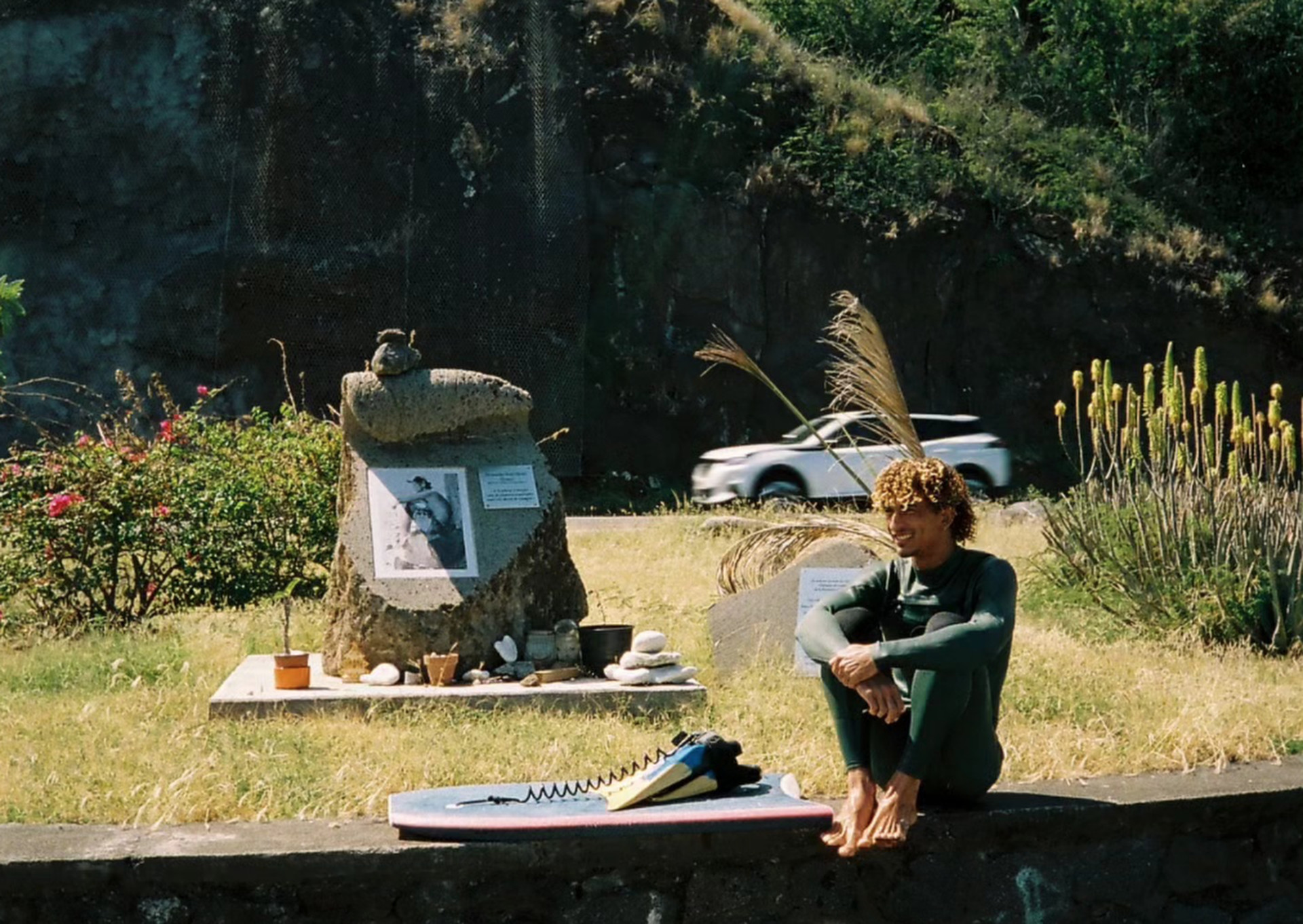
- Without a doubt you’re one of the most spectacular riders for aerial maneuvers in the world, always innovating to put on a big show. How do you prepare to reach that high level in tricks, and especially for the landings?
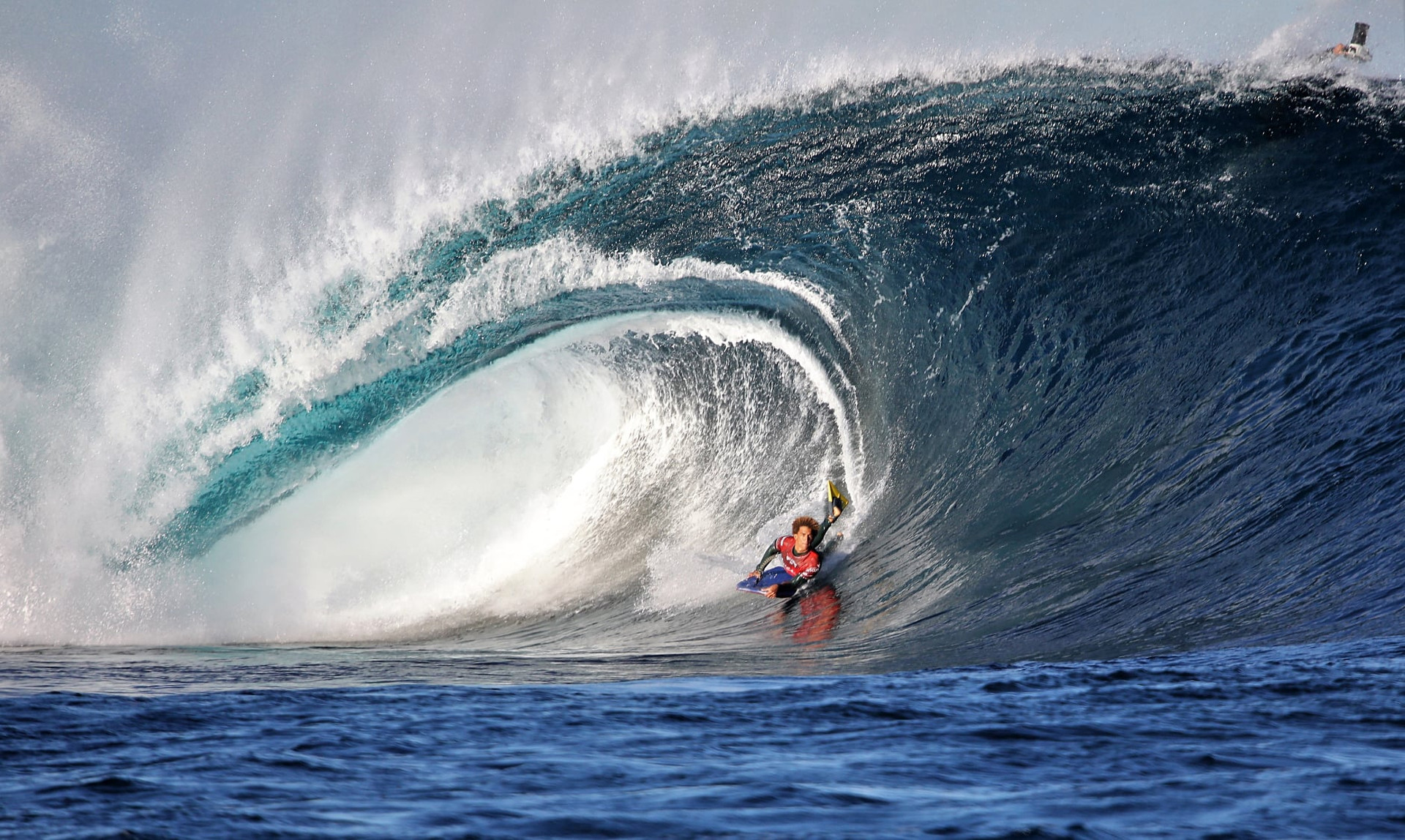
About flying, I love it because it helps me disconnect from everything in life (problems, stress, anxiety, or anything bad happening on land). In the sky, everything stops, and I can really enjoy that slow-motion feeling when I hit the lip and start flying, forgetting about everything else. I also love barrels, but I prefer long ones at full speed, especially in long waves. I think I realized early on that if I wanted to achieve this, I needed to focus and discipline myself with core training, which helped me find the right mindset and approach to flying. But I would say you just have to go into the sea and try again and again, fail, try again, and that’s how you learn to do it without hurting yourself.
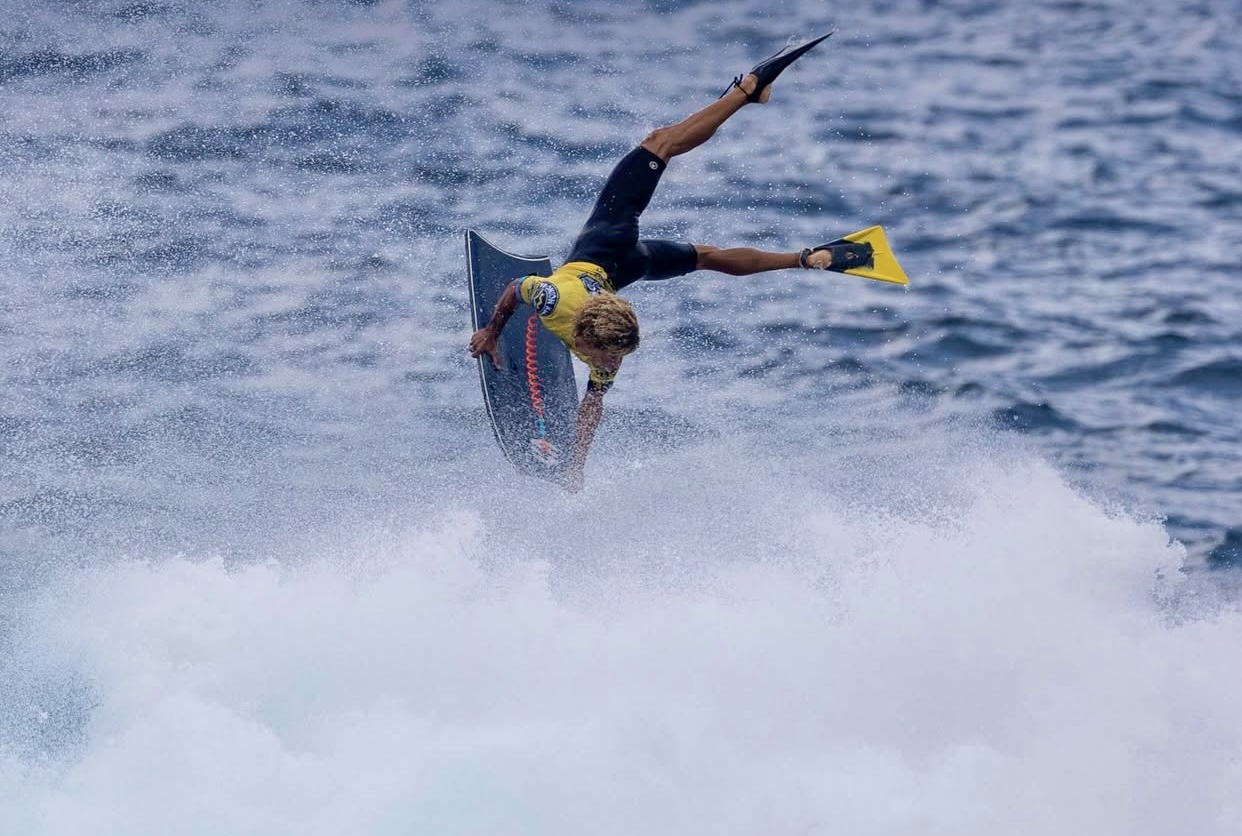
- You radiate joy wherever you go and you spread a big passion for the sport. What does bodyboarding bring to your life?
This sport has given me everything I have now. Even though I’ve had to be selfish at times, break some patterns, and go through a lot of difficult times like depression and anxiety, I’ve kept my faith in God and listened to that little voice inside me that told me to keep going, even when I wanted to give up. After many injuries, I said “stop,” but the love I have for this sport always brought me back. After everything passes, I just enjoy being in the water, flying help me staying happy and calm. For many years, I couldn’t really enjoy anything because I was obsessed, driven but I’ve started to realize that I need to enjoy everything around me instead of overthinking why things didn’t happen the way I expected. Now, I understand that the company you share these moments with makes them worth it. Believe me, I’ve seen everything different after you start winning.I try to focus on myself rather going into an ego-trip. After all, it’s not the result that matters, but the time you spend doing what you love with the right people.
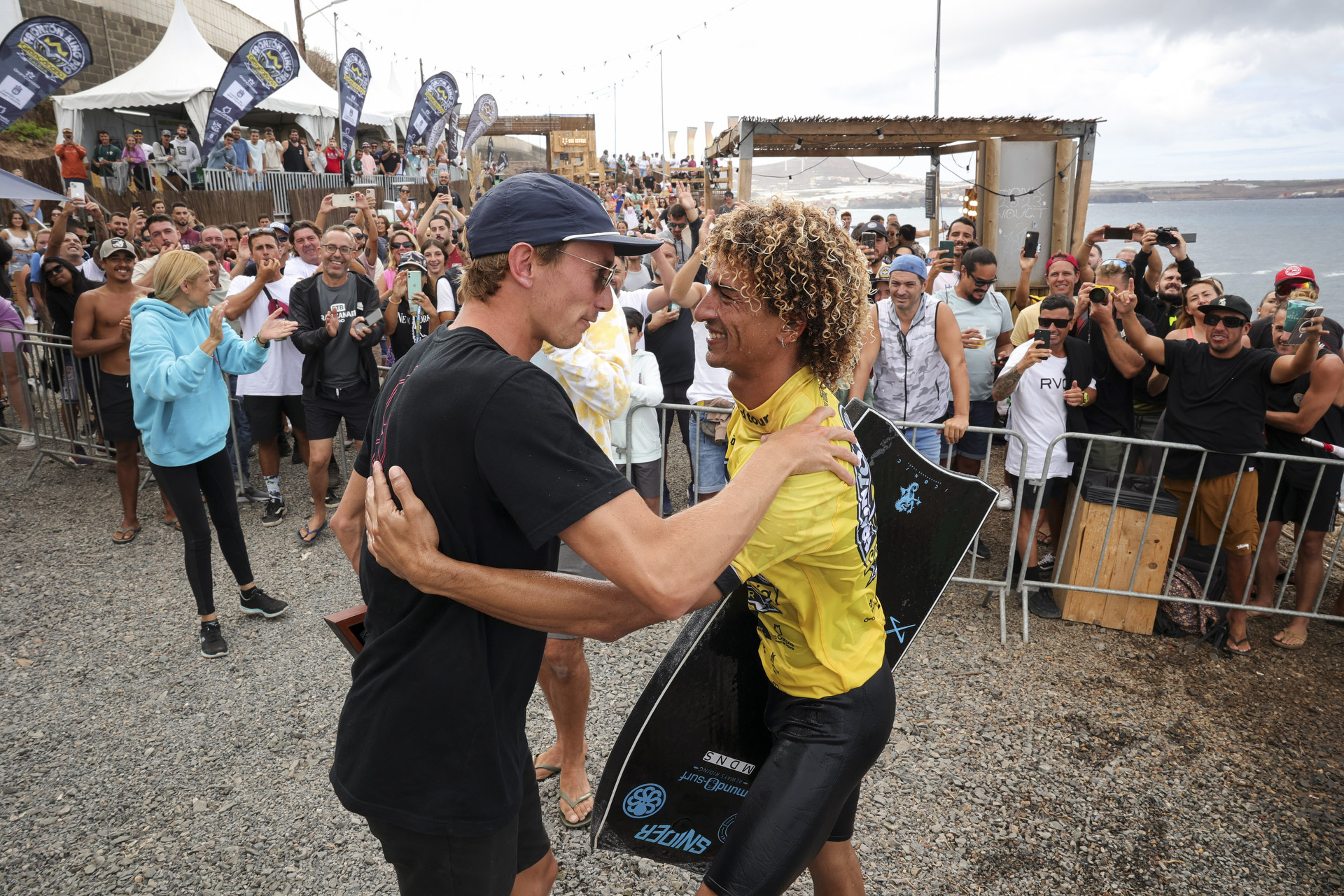
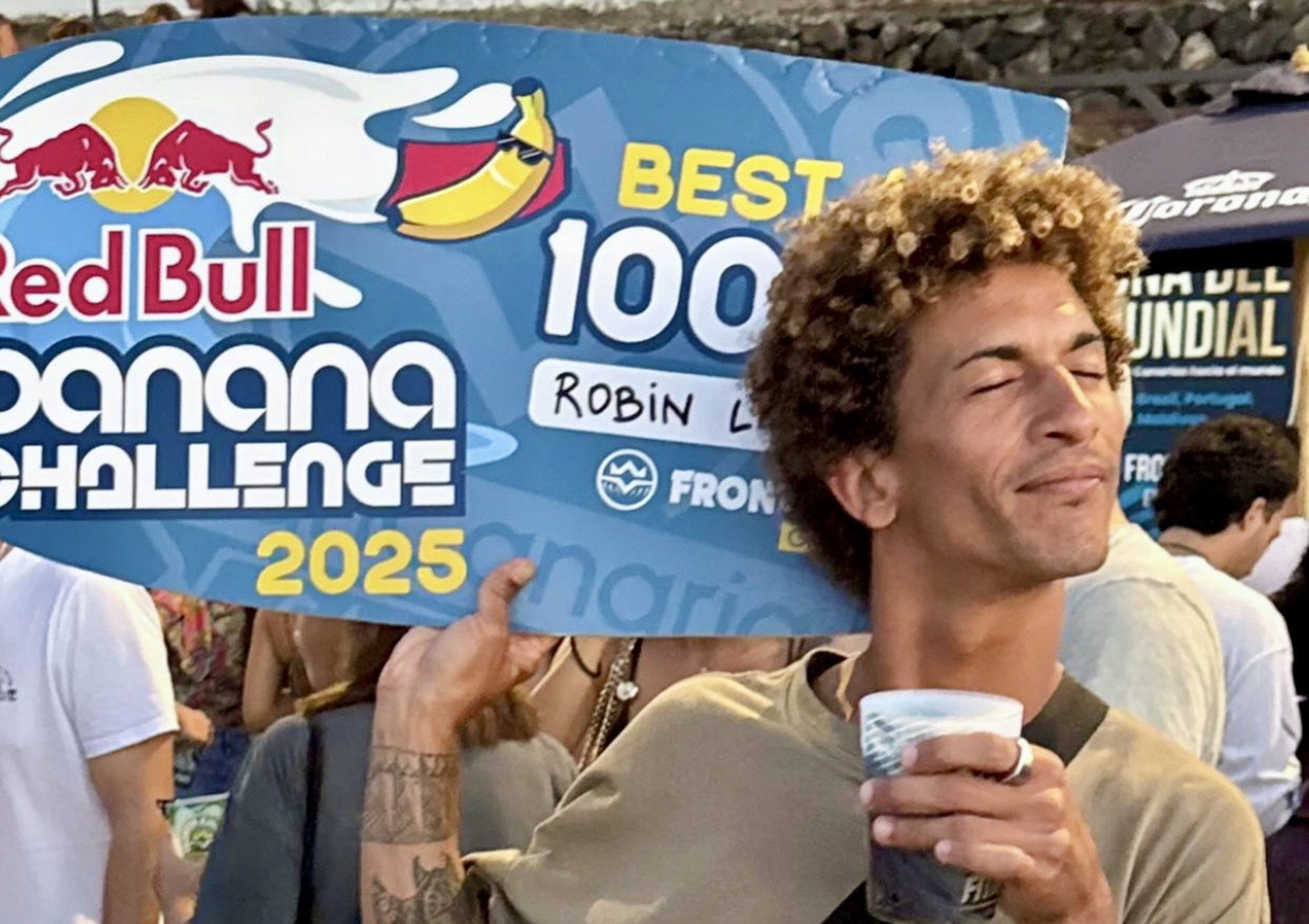
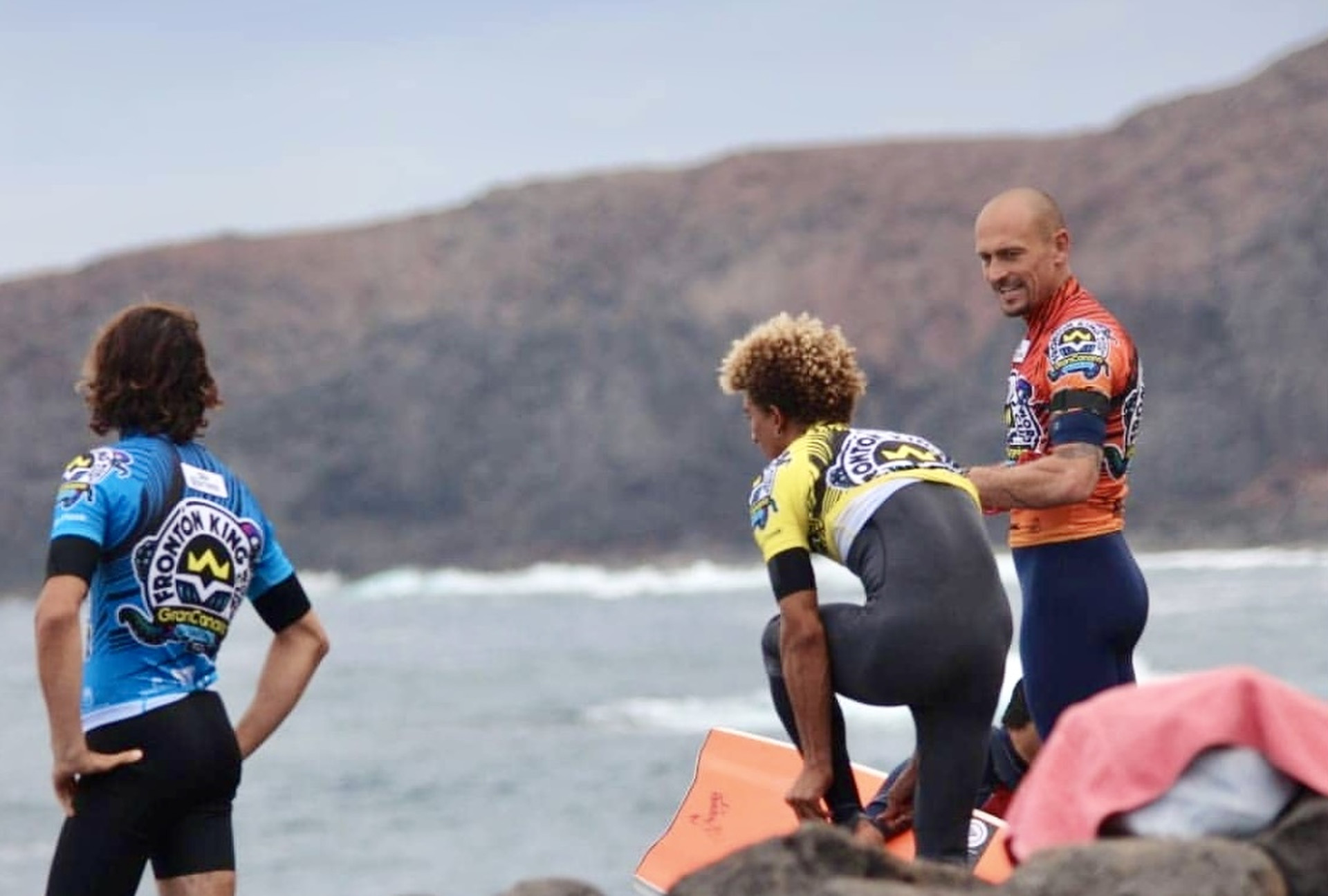
- You’ve been posting strong results in competition for a few years. This past year you won the Red Bull Banana Challenge for the best aerial maneuver, earned at the last event of the Gran Canaria Frontón King. What did you feel when you received that “radicality” award?
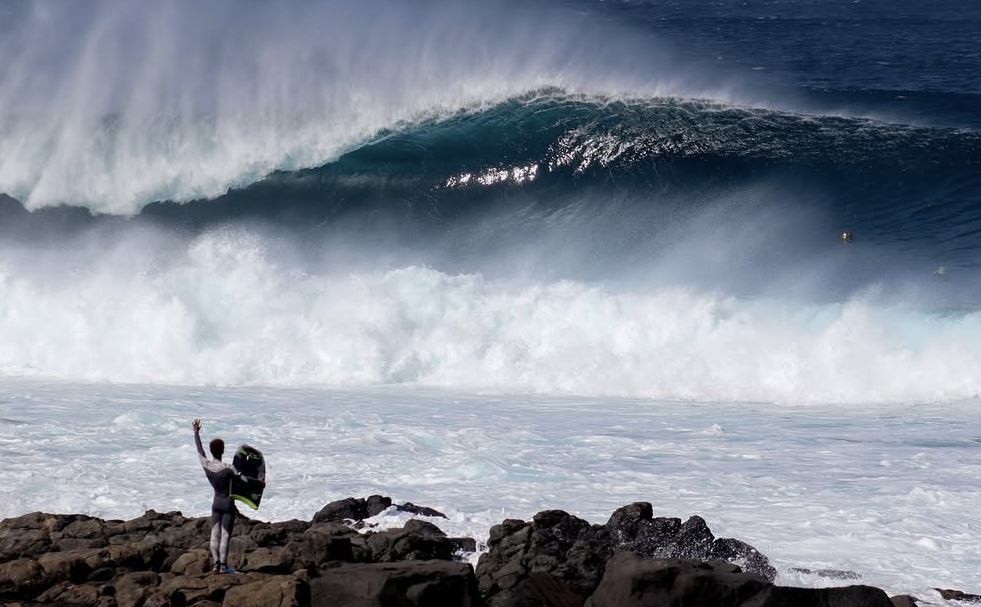
I’ll be honest with you, I was initially drawn to competing at Fronton because pop this challenge. I knew the level was extremely high, and from the start, I didnt know if I could charge those waves or even compete at all. You have to bring your best surfing in tough conditions—low tides, wind, etc. At first, I focused on freesurfing and getting good waves, not competing. So after everything passed, I can say I’m really happy to have made it. It’s another dream come true.
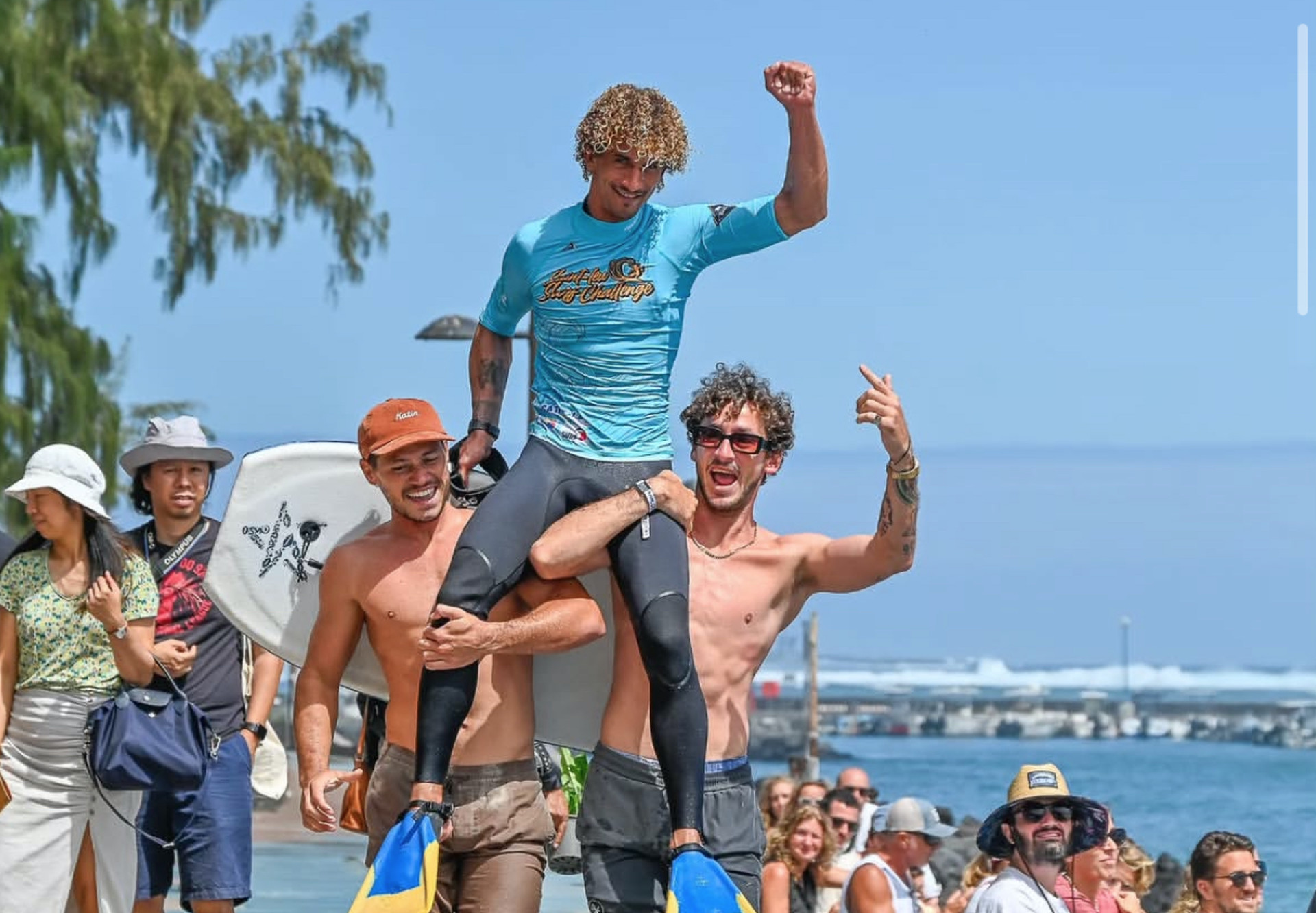
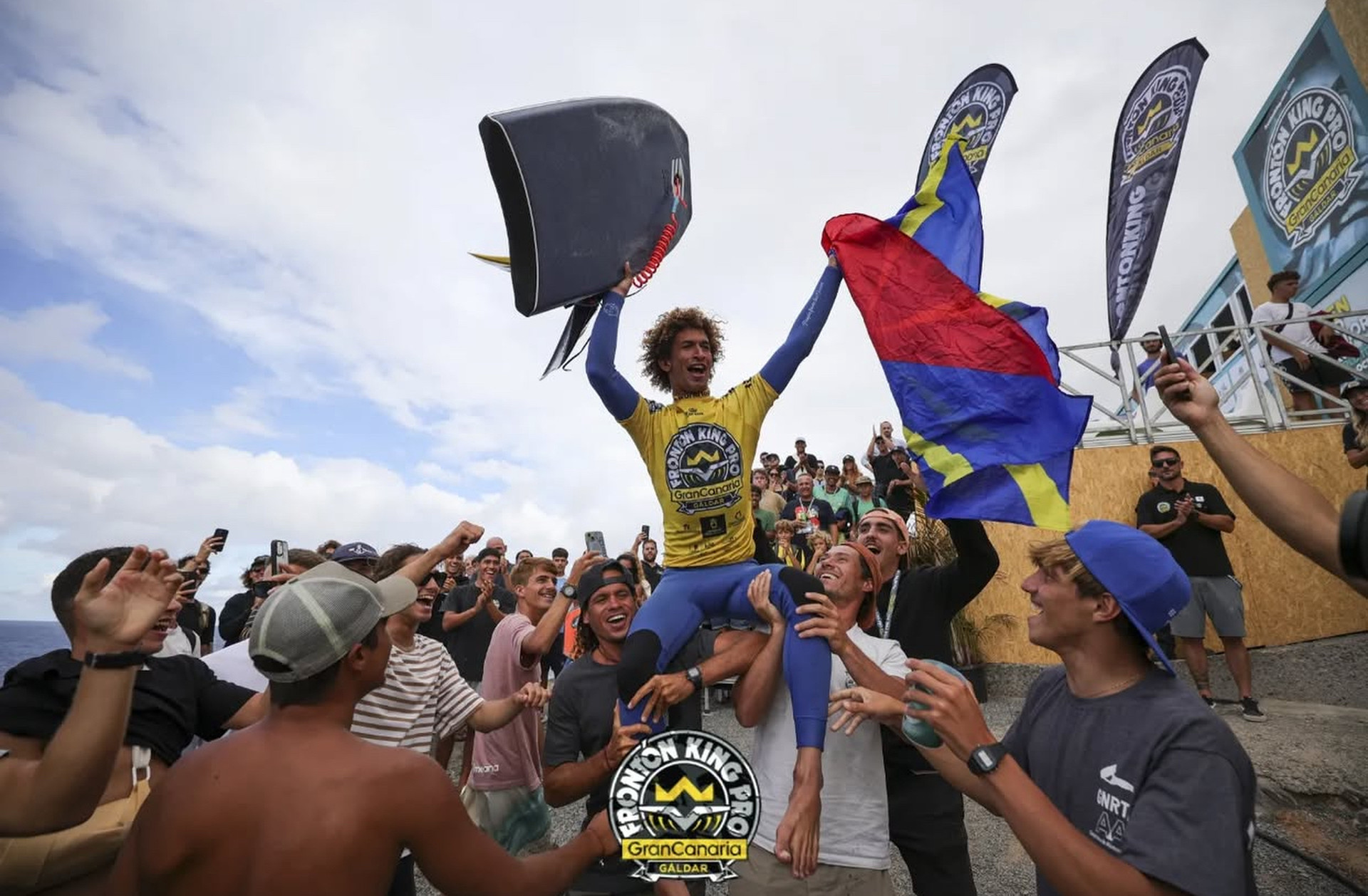
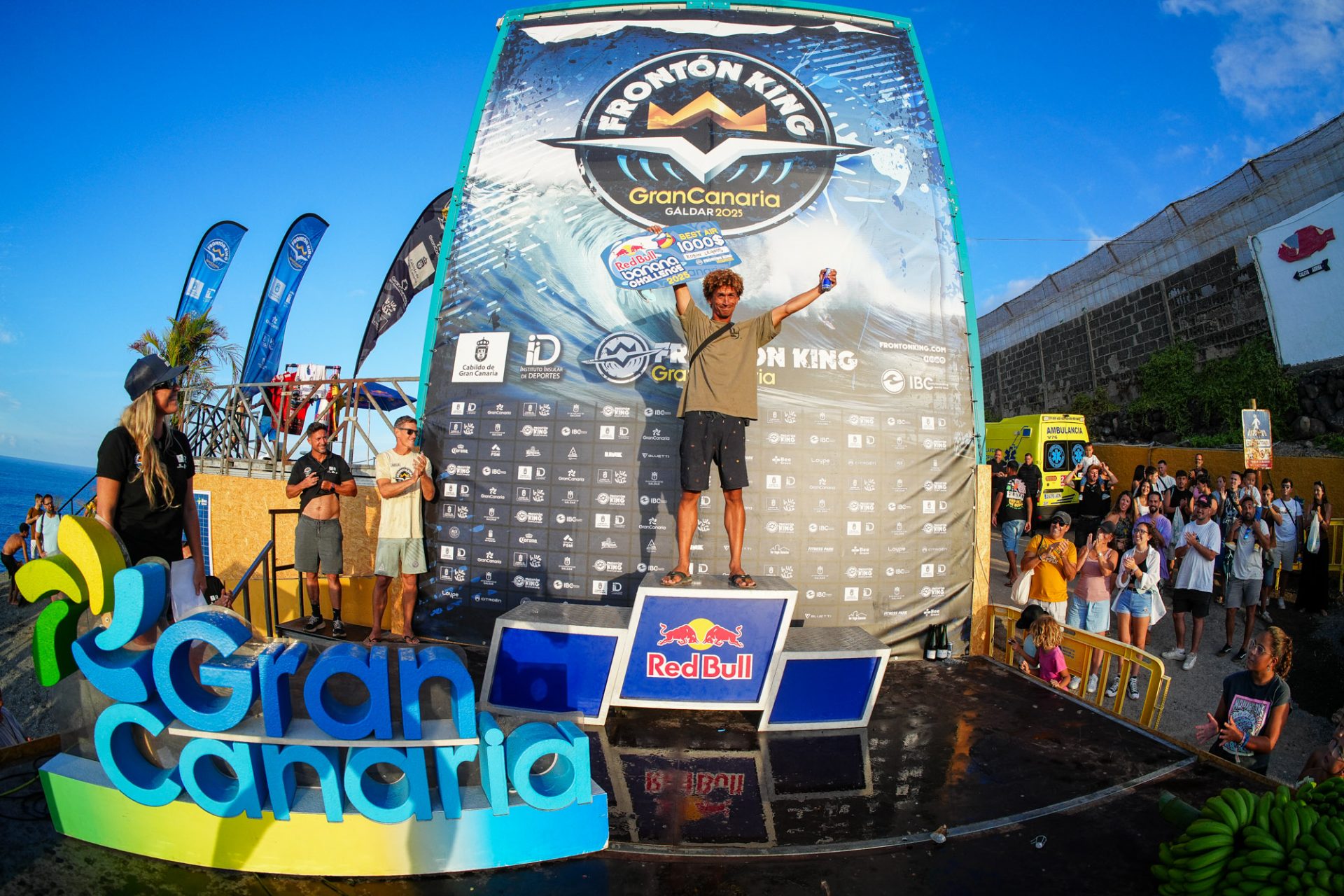
- What’s a day in the life of Robin Legros like?
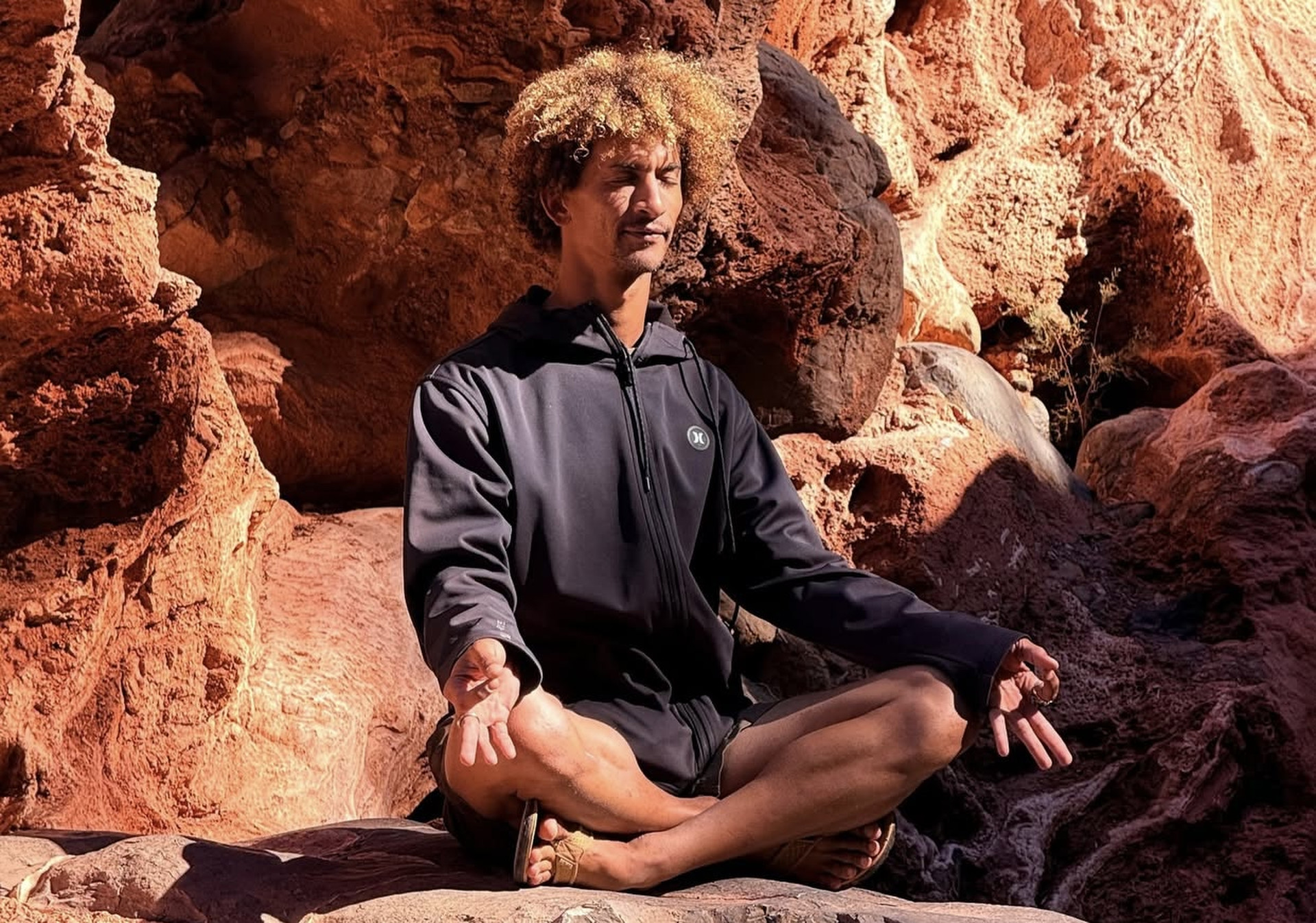
A day in my life can be a rush of emotions and hyperactive movements, always looking for a bodyboarding session. But in the last couple of years, I’ve started by relaxing in the morning, listening to motivational speeches mixed with bodyboarding videos to get myself pumped up. Then I do a quick stretching routine with some exercises to wake up my body before heading into the sea. In the Canaries, I struggled to wake up early and go straight into the water because it’s not always perfect and glassy every morning like in Reunion Island. The waves aren’t the same, and it’s hard to wake up at 6 AM to get yourself destroyed or even fly high and still get literally smashed. So I started waking up really early, around 4 or 5 AM, and I’d stretch for an hour or two before heading out. Than eating fruits/smoothie everyday , healthy food and enjoying nature around.
- What are your favorite waves in the world and which ones would you love to surf but haven’t yet?
My favorite spots:
Turtle Bay (Réunion Island): This is where it all started for me, watching all those radical riders from Réunion doing every move in the book and more.
Frontón (Gran Canaria): A love-hate relationship. You’ll catch your best wave, but it can also be brutal.
Pipeline (North Shore, Oahu, Hawaii) and Quemao (Lanzarote).
I’d love to surf in Namibia, Australia (especially Lunapark, Nuggans, and Aussie Pipe), and of course Mexico and Tahiti, which are my main goals for the next few years.

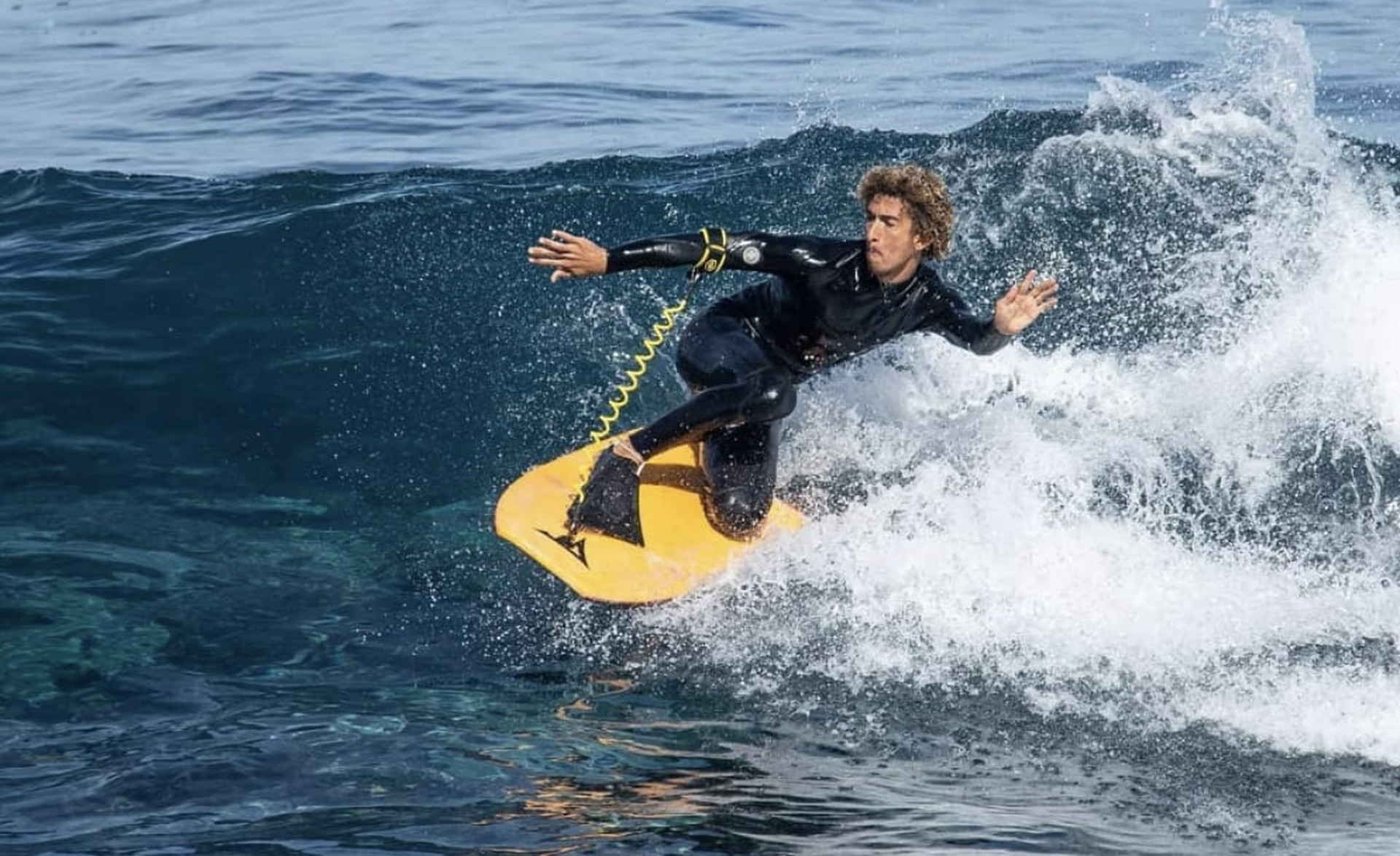
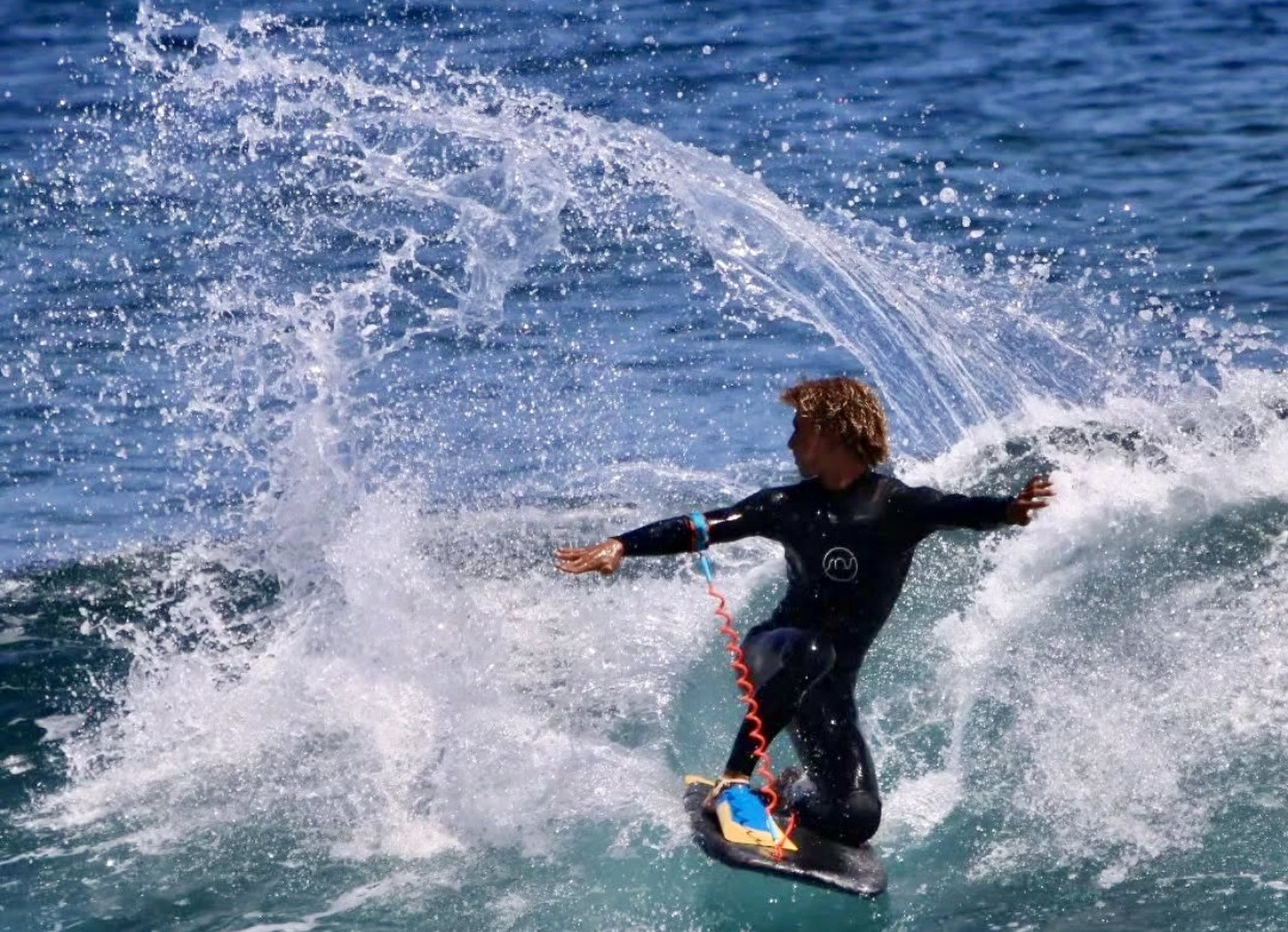
- Besides prone bodyboarding you’re also great at Drop Knee. What do you think of this discipline and what does it add to your surfing?
Dropknee is very important for me. It helps me connect to my best surfing. It’s as simple as that. If my emotions or my head aren’t in the right place, I can’t dropknee, and I know I won’t perform well in prone. The prone division sometimes takes me out of the real surfing spirit. When I do dropknee, everything comes together, and I hope that discipline comes back.
- Do you have or have you had idols or role models in bodyboarding?
I have a lot of idols, and the list is long. They’re all different, depending on what I’m feeling at the moment. Some of them include: Charly Chapelet and the riders from Reunion Island, Jeff Hubbard, Dave Hubbard, African riders like Jared Houston Botha and Mark McCarthy, Australians like Hardy, Rawlins, Dave Winchester, Ben Player, Jase Finlay, Joe Clarke, and many more. I also look up to Jacob Romero and Hawaiian riders, Pierre Amaury, and many French riders. And anyone who proves that the underdogs are often the best and can boost big airs. I try to mix everything I like from everyone to create my own style of riding.
- What are your challenges?
My main challenge and goal right now is to become the best athlete I can be and to land the biggest 720 air reverse I can do.
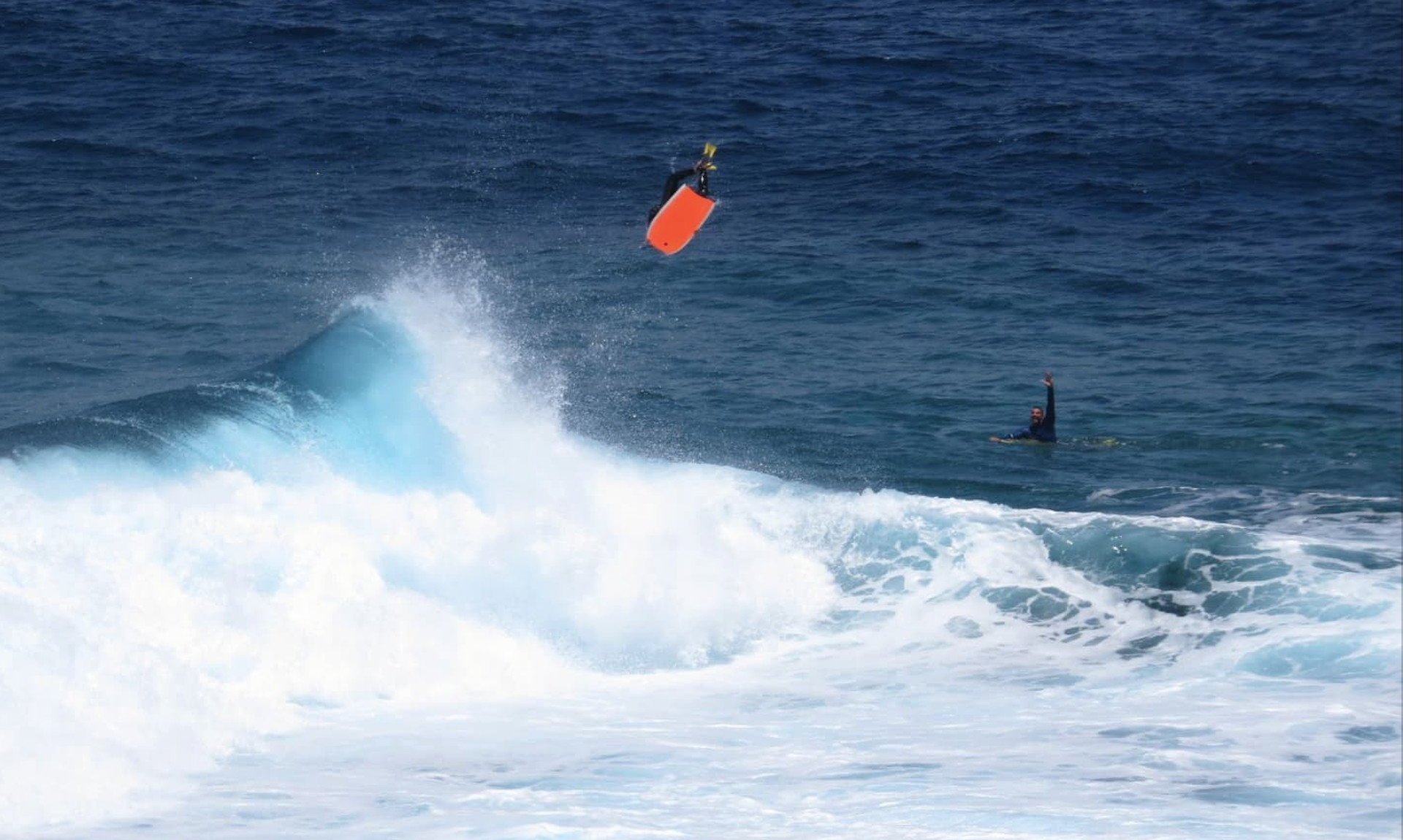
- Whether in competition or free surf, the pressure to go all out is real. What do you think in those moments?
In those moments, I just stop thinking and go as big as I can. Sometimes I get too amped up or too crazy, and I put myself in dangerous situations, but in those moments, I don’t fail. Something just switches inside me, and I feel like I can do anything, as long as I feel connected with myself.
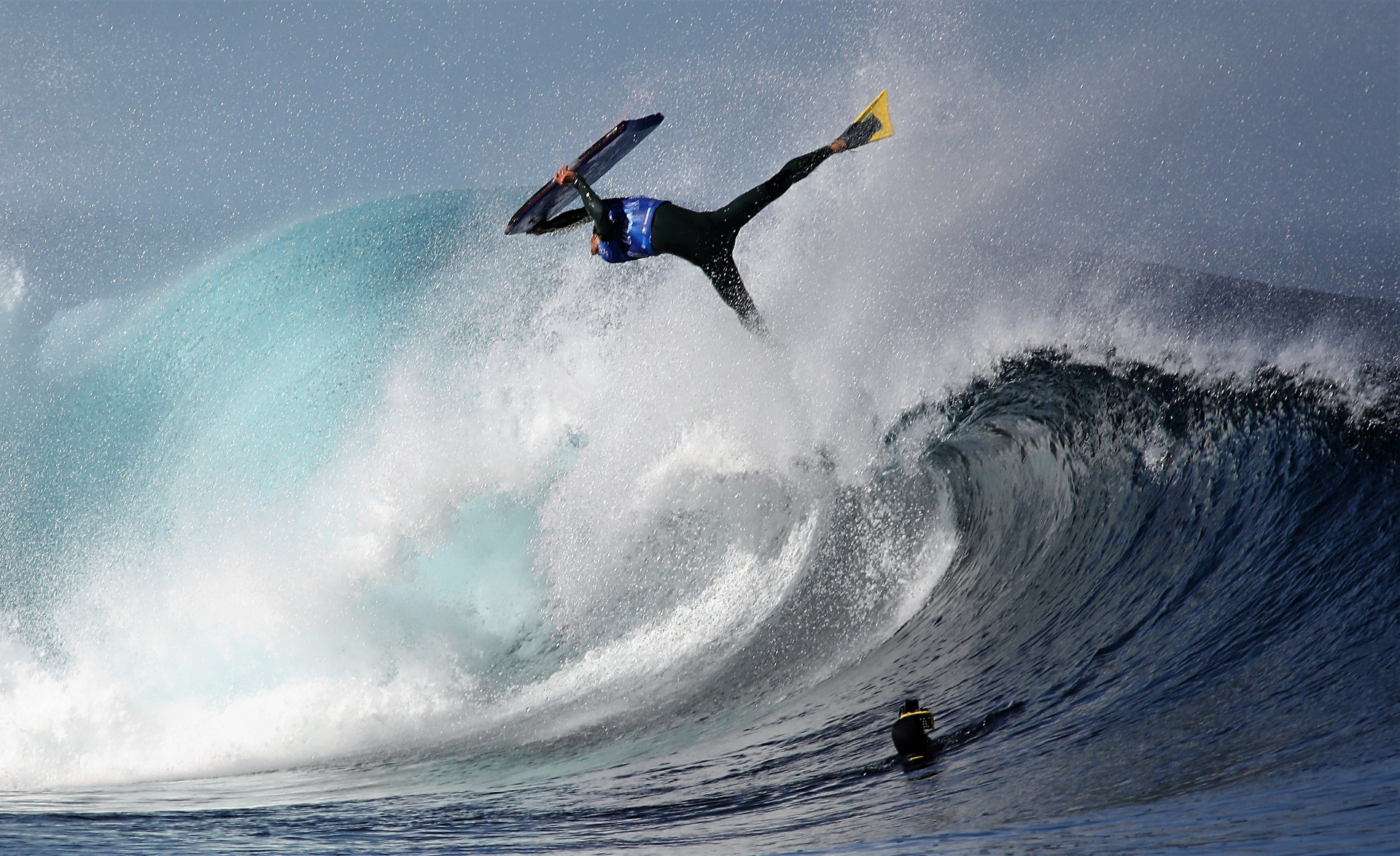
- Here’s a space to say hi, thank, or simply share whatever you’d like:
I am just thankful to everyone who has crossed my path and helped me become who I am today. Good people, haters, friends, family—everyone has played their part in motivating me to keep going. I’m thankful to have found my way and to be supported by the people I love and who support me. Special thanks to my sponsors: Empires – Sen no Sen – Thrash – Rock Islands – Lidloonies – Sbridersho, and I feel blessed to have their support to keep moving forward. Of course, I also have to thank those I lost along the way. They helped me rise higher and stronger. My friends who passed away too young, the legends from Réunion and everywhere else in our community, there are too many to name. Finally, a big thank you to that special person who helped me become who I am today, who is my therapist in everything, and who believes in me even more than I believe in myself—an angel from above.
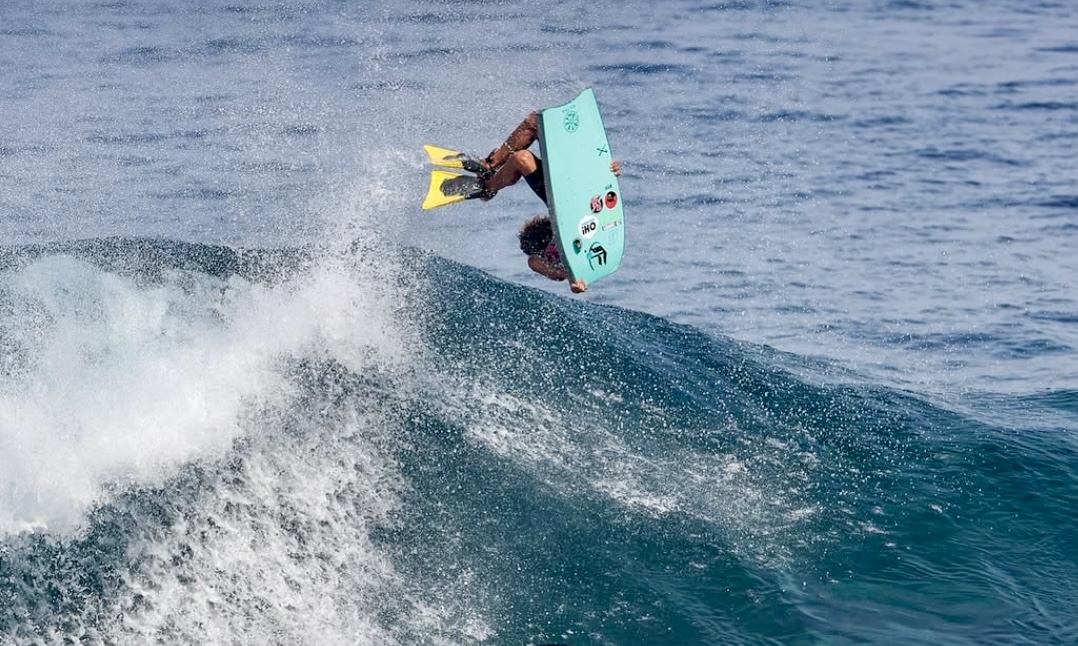
Instagram: robinlegros