
We’re stoked to bring you the first interview the IBC has ever given to a 100% Dropknee Rider. We’re doing this to try and hype up this discipline as much as possible and hopefully motivate promoters to get it back on the tour!
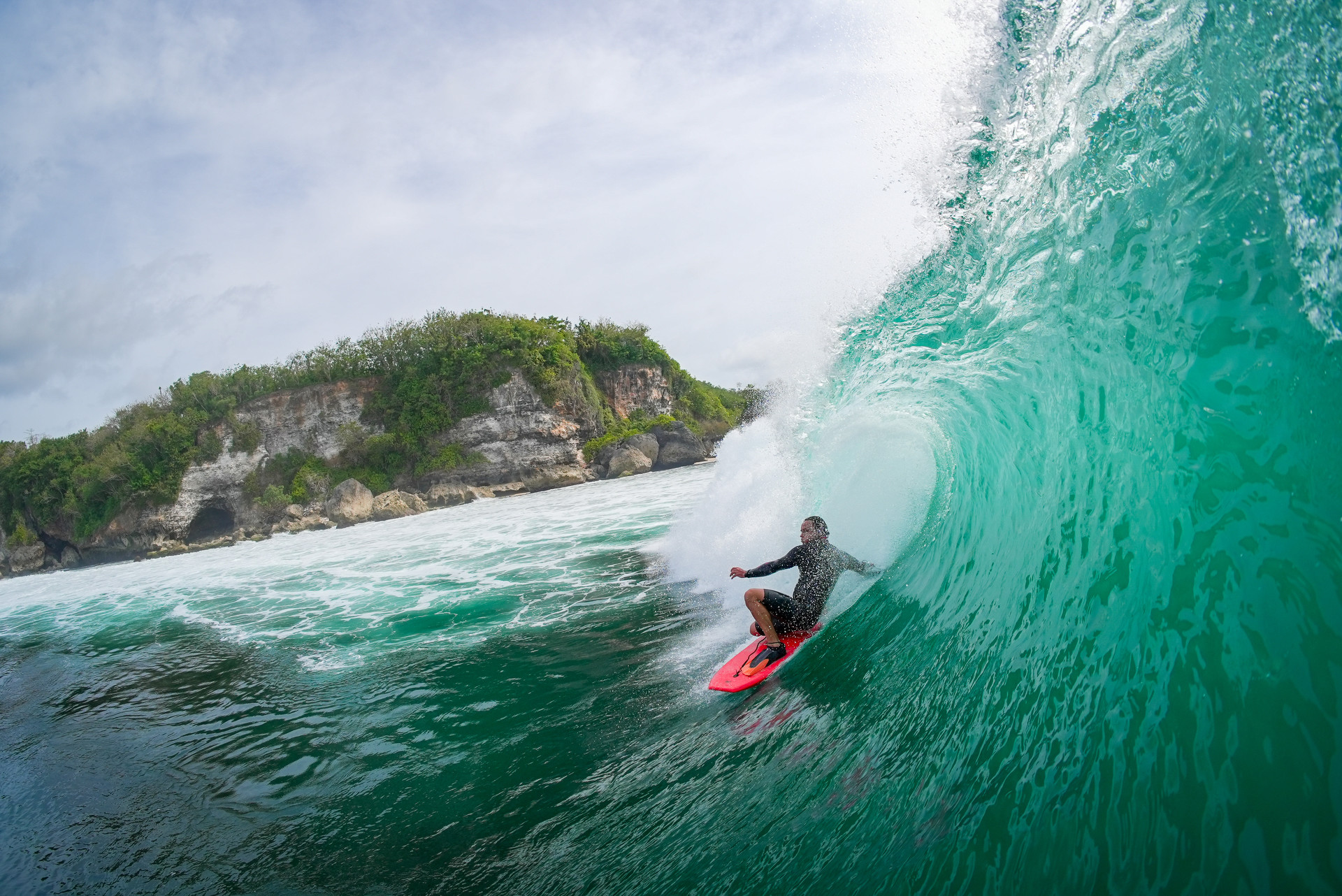
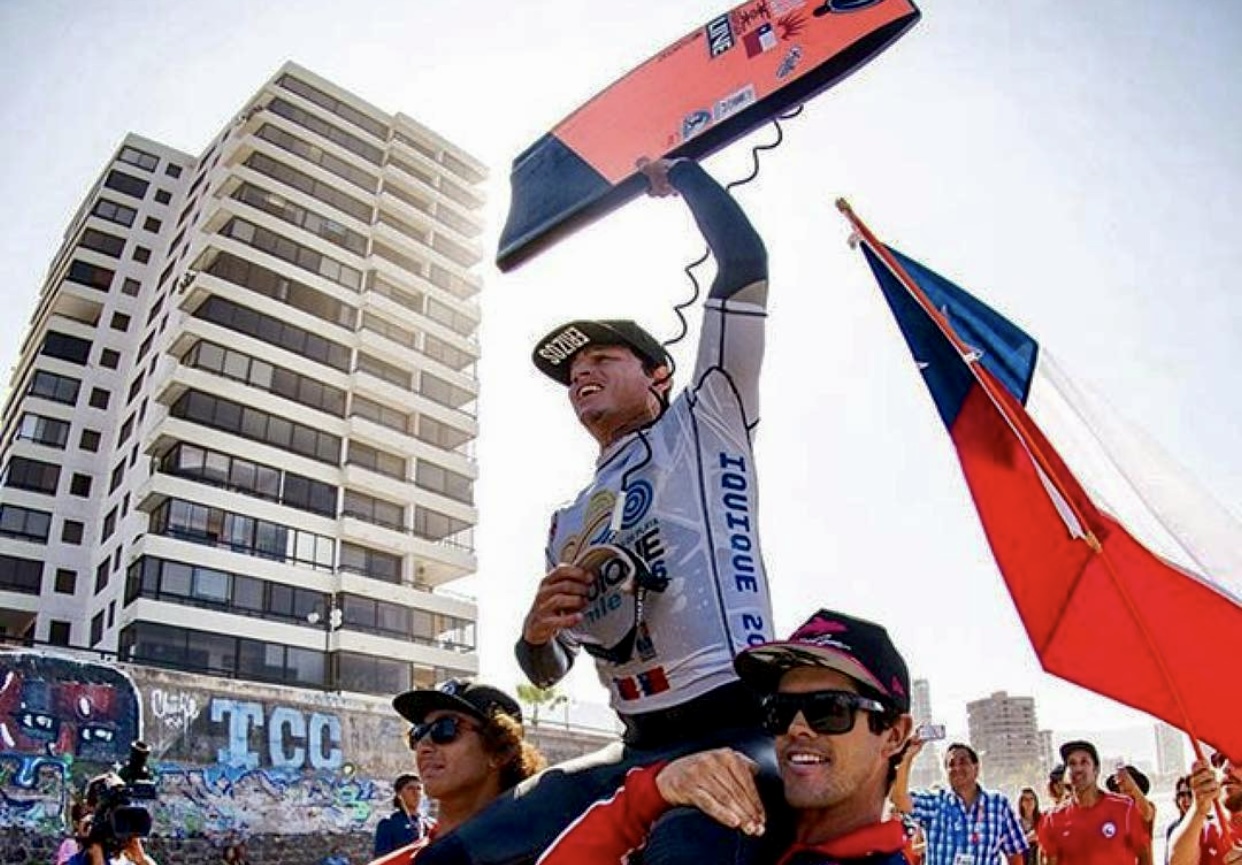
This hardcore 42-year-old athlete has been hitting the dropknee stance for 30 years and has been doing it professionally for the past 15. So, without a doubt, he’s one of the biggest ambassadors for this discipline worldwide.
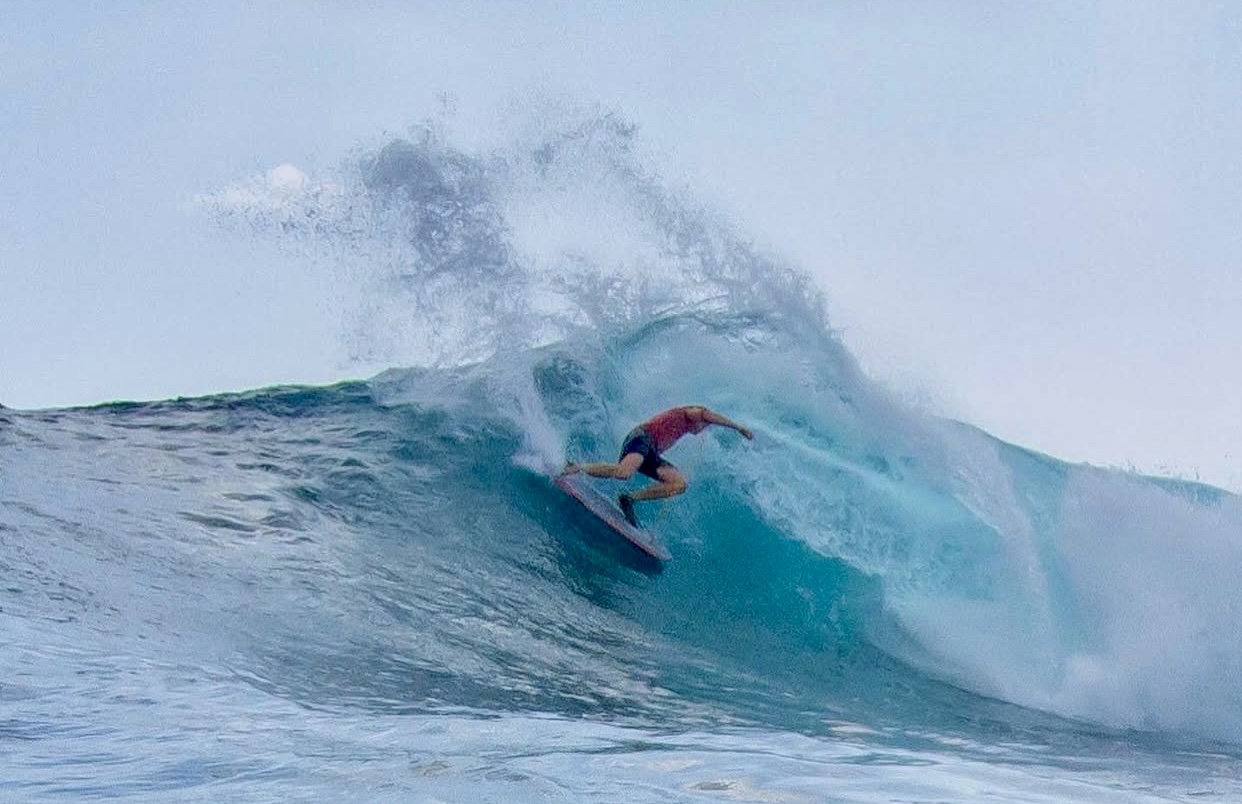
Born in Coquimbo, Chile, he’s one of the key names representing that beautiful country, and he definitely deserves this space so you all can get to know him better.
So, without further ado, we give you:
MICHEL COPETTA
- How was your childhood in Chile?
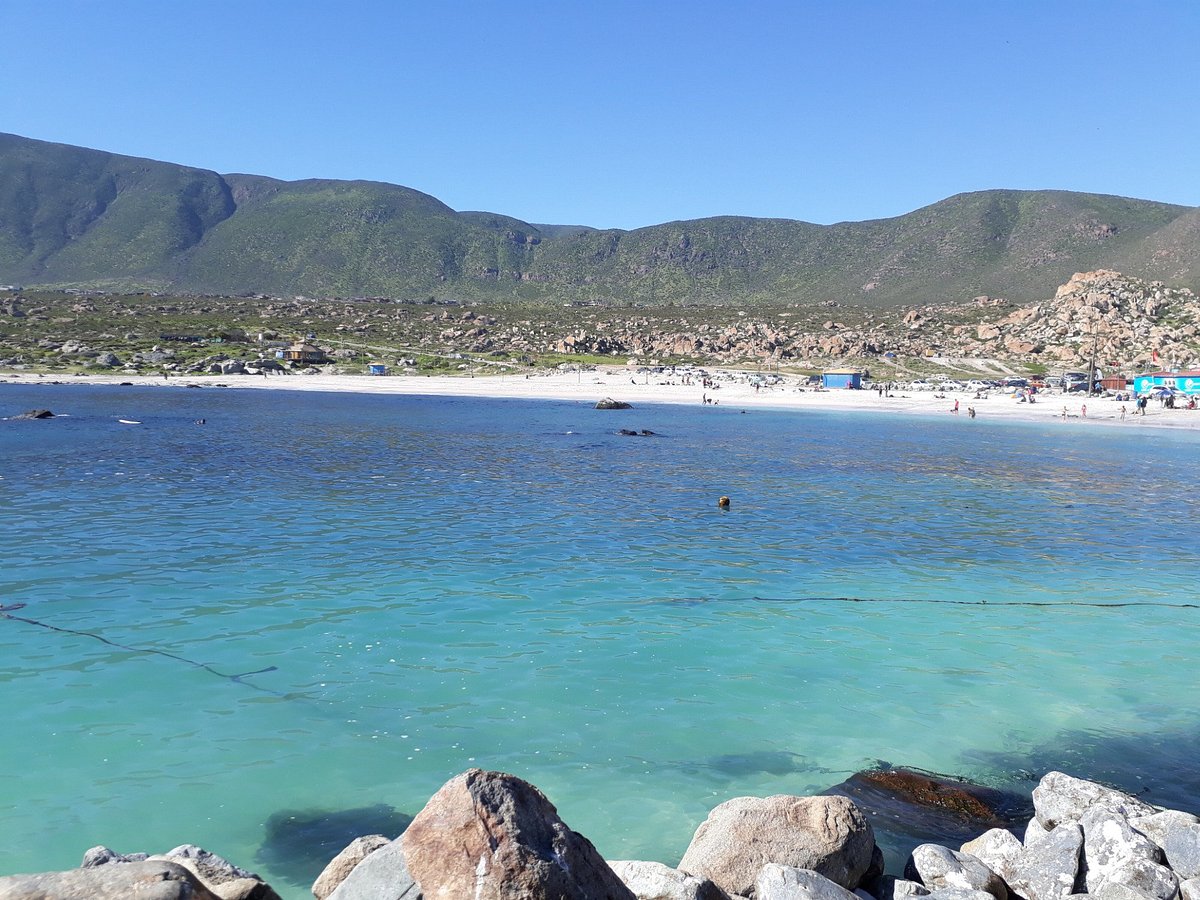
My childhood in Chile was totally shaped by sports and being around the ocean. I grew up in Coquimbo, a city where the coastal life is just part of the local vibe. It’s known as the ‘Pirate City’ because a bunch of pirates used the bay as a hideout back in the day, even looting the city, and some just ended up staying. There are stories that Francis Drake’s treasure is actually hidden somewhere nearby, and people have been searching for it for decades.
From a young age, my parents really pushed me—they were both huge fans of physical activity in the ocean. My dad was a surfer, a shipwreck diver, and a sailboat navigator. My mom was a windsurf instructor who was a regional champ in the sport, and she was also a spearfishing champion. They were the ones who instilled in me that discipline, consistency, competitiveness, and love for the ocean—those values eventually became the foundation for my personal and athletic growth.
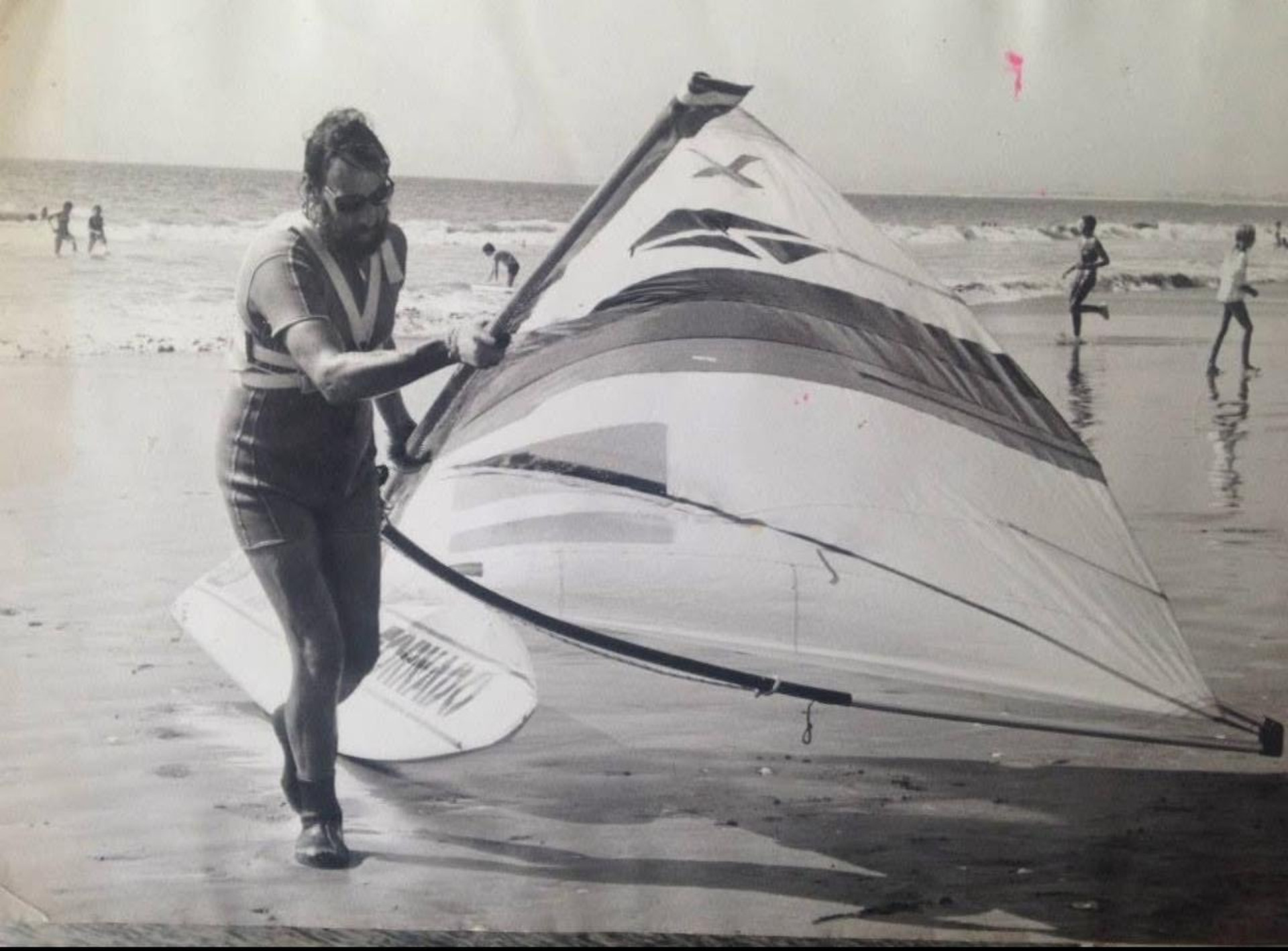
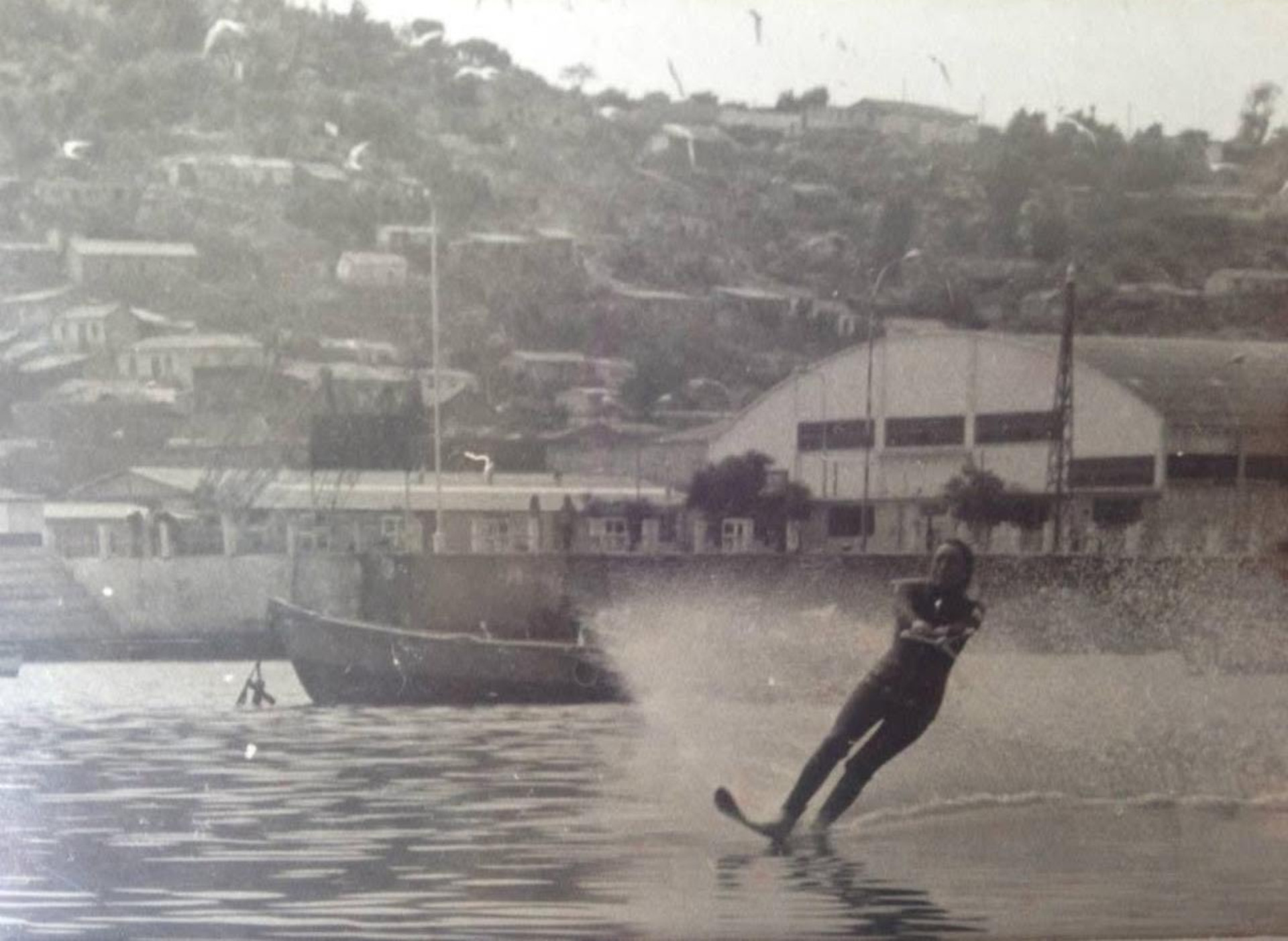
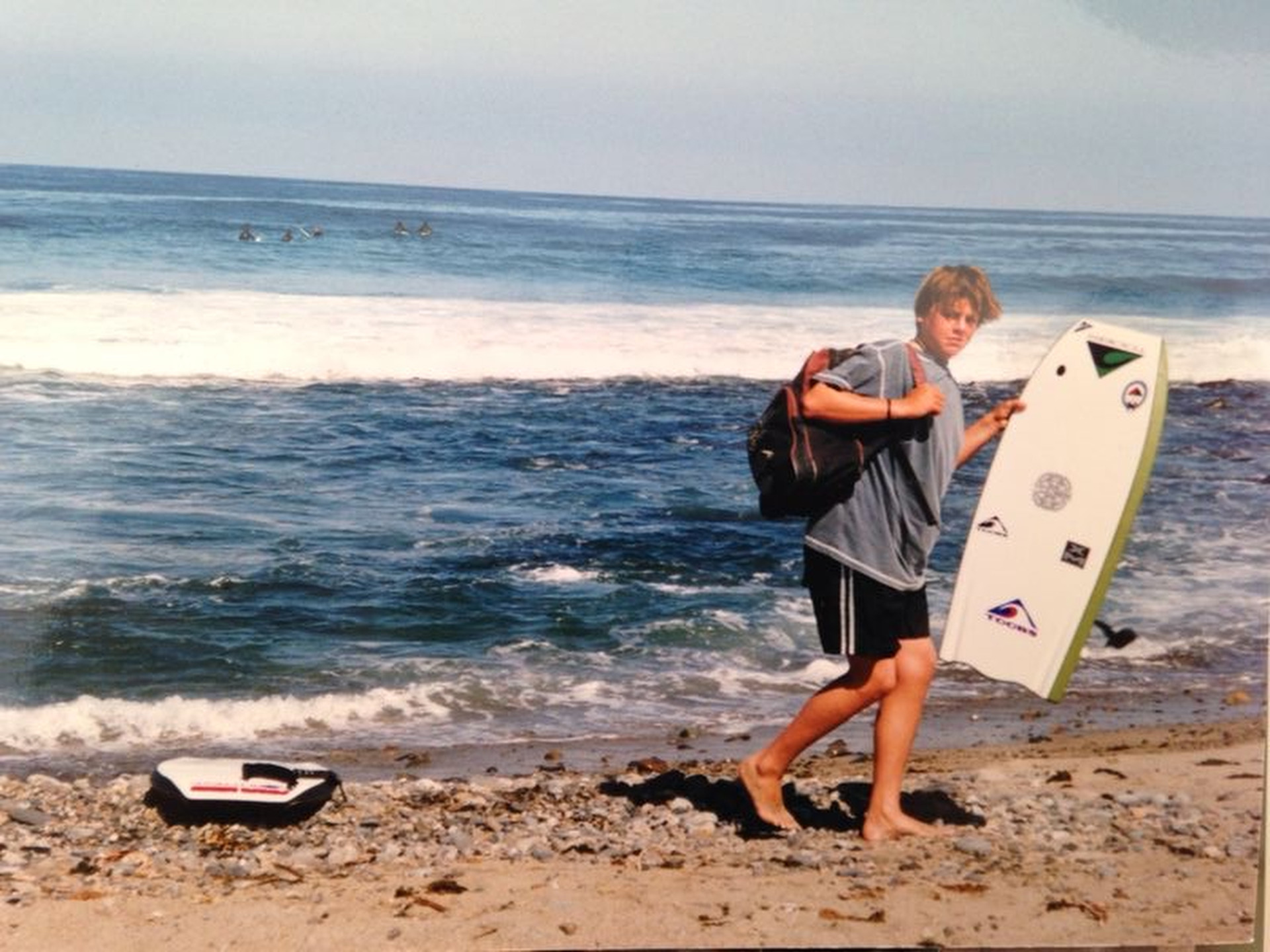
My childhood was just endless days at the beach, getting my first experiences on boards and taking on challenges that, without me even knowing it, forged the ‘push through’ mindset that I still have today.
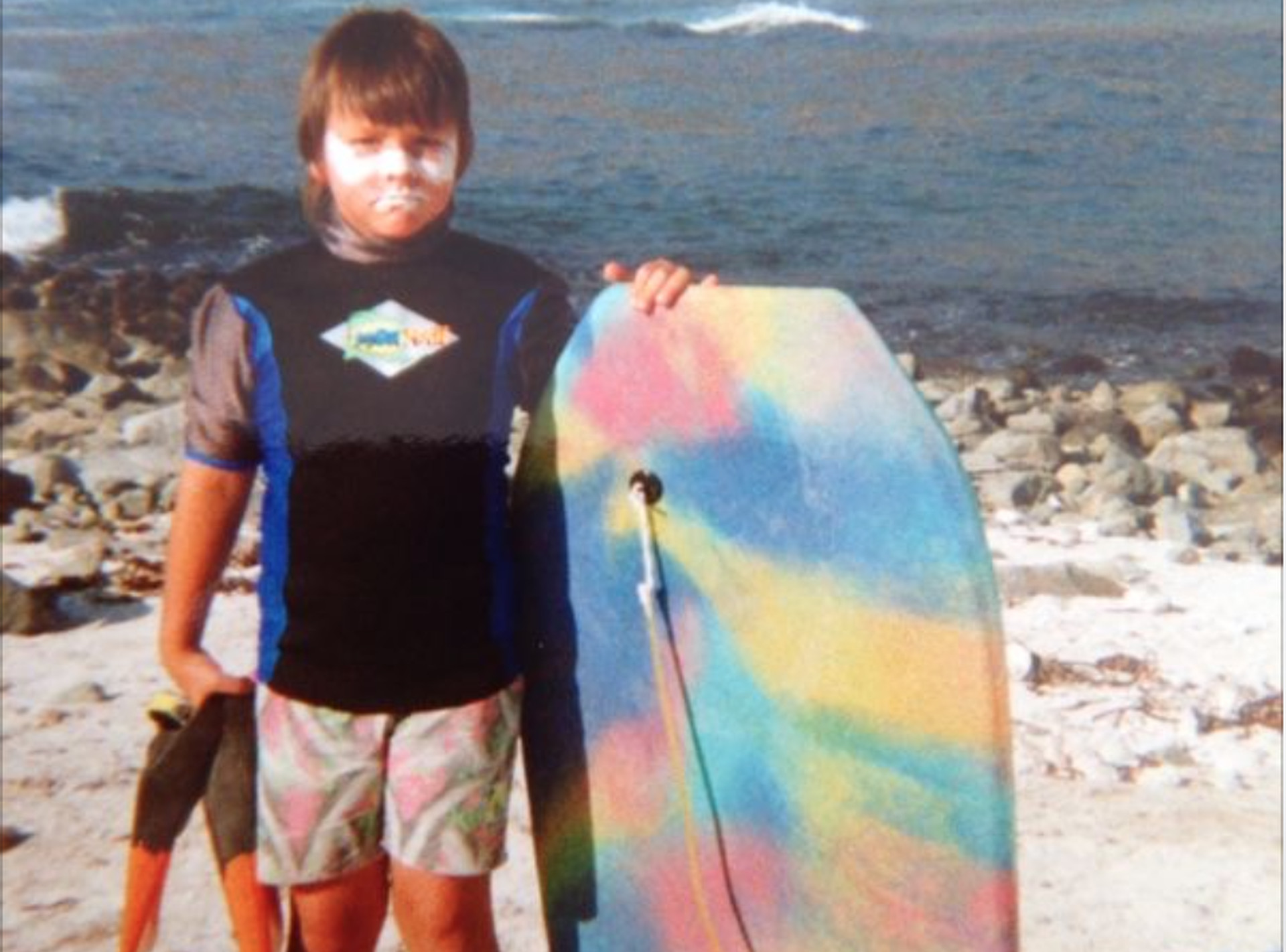
One story I’ll never forget is surfing with my dad. He caught a wave and I was left alone at the peak (the ‘point’). The biggest set of the day came in, and my dad was yelling from the channel, ‘Paddle your butt off to get over it!’ I had to paddle for dear life to make it over that wave and save myself from what, for a little kid my age (seven), looked like an absolute monster.
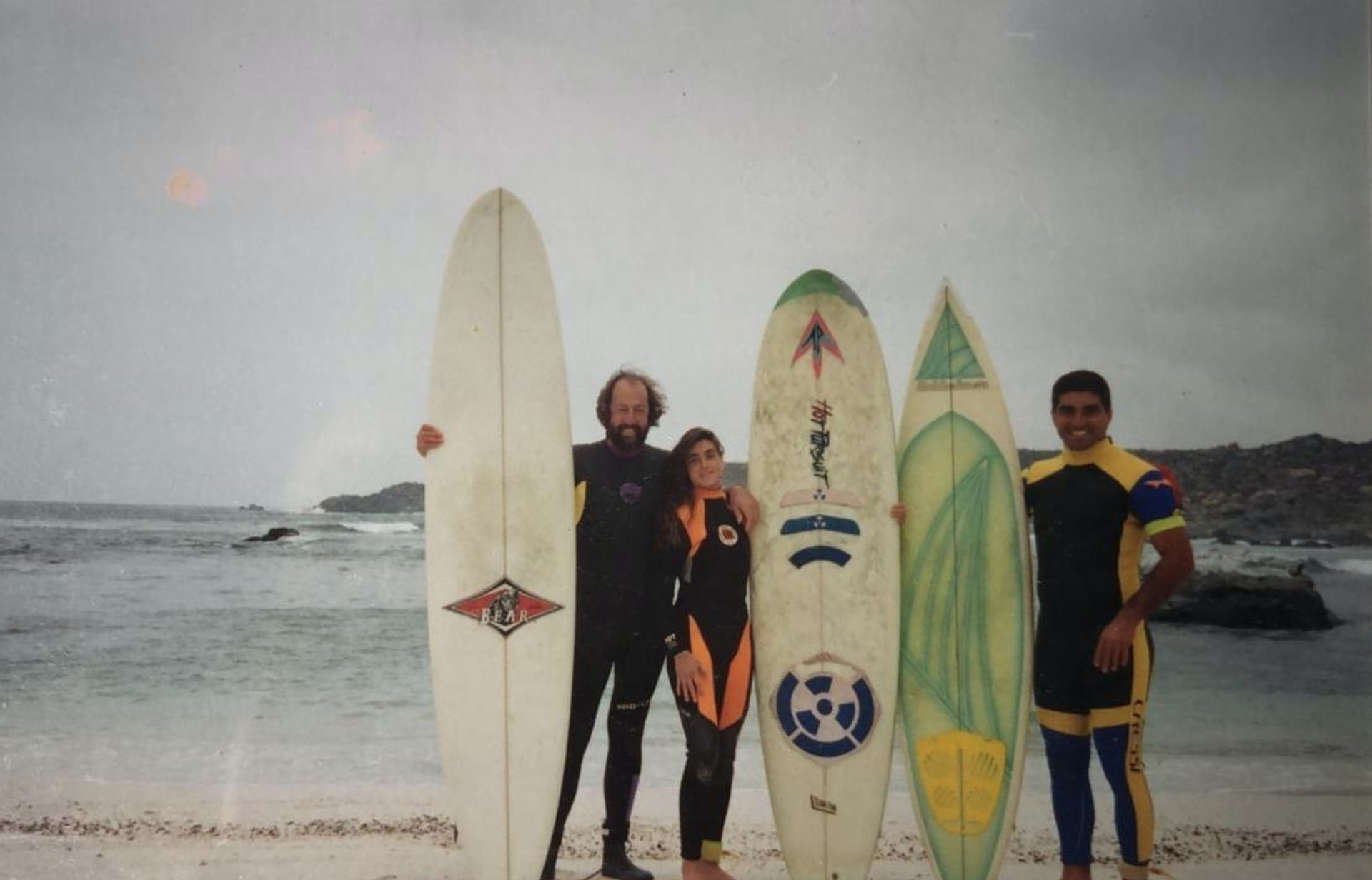
- How did you get started in Dropknee?
My start in Dropknee goes back to when I first began bodyboarding around ten years old on the beaches of Coquimbo, especially Totoralillo. That’s where I first got the feel for what only this sport can give you. I was watching videos back in the ’90s where Dropknee was front and center with athletes who are still my idols today, like Paul Roach.
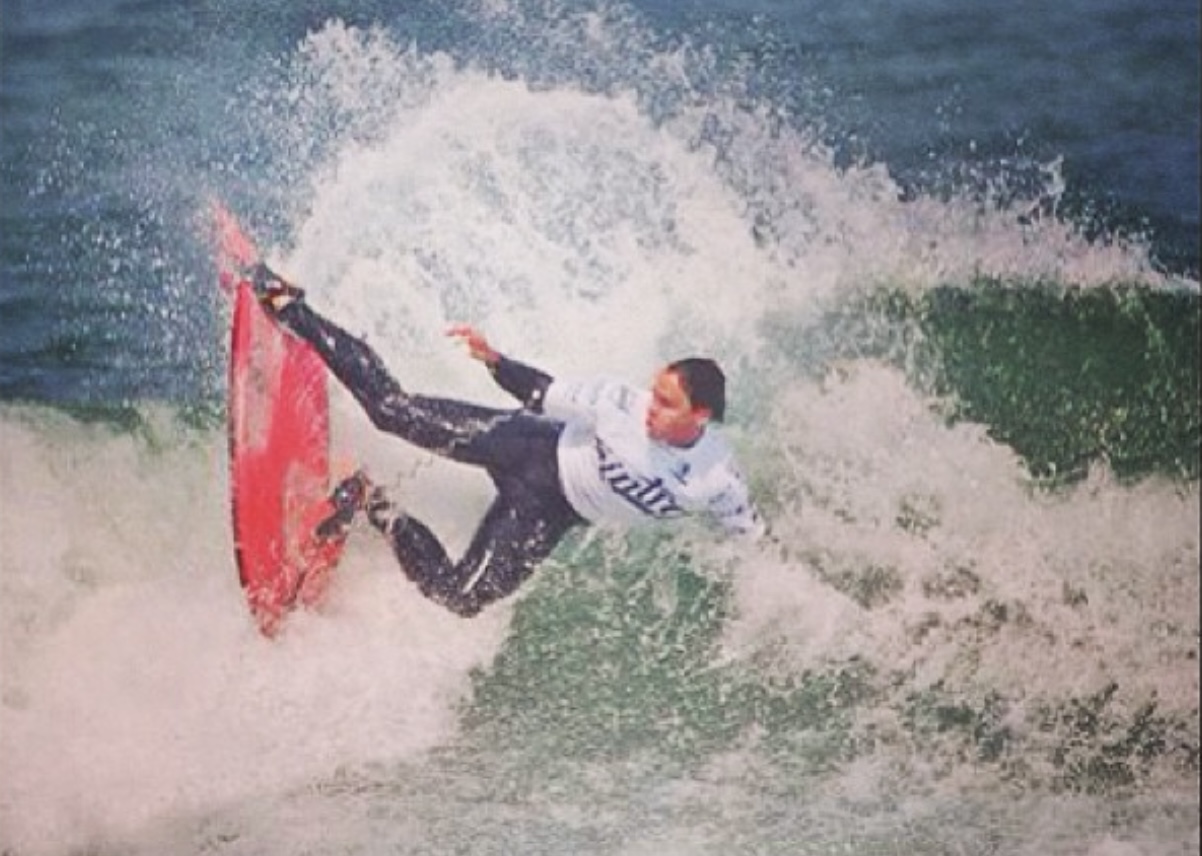
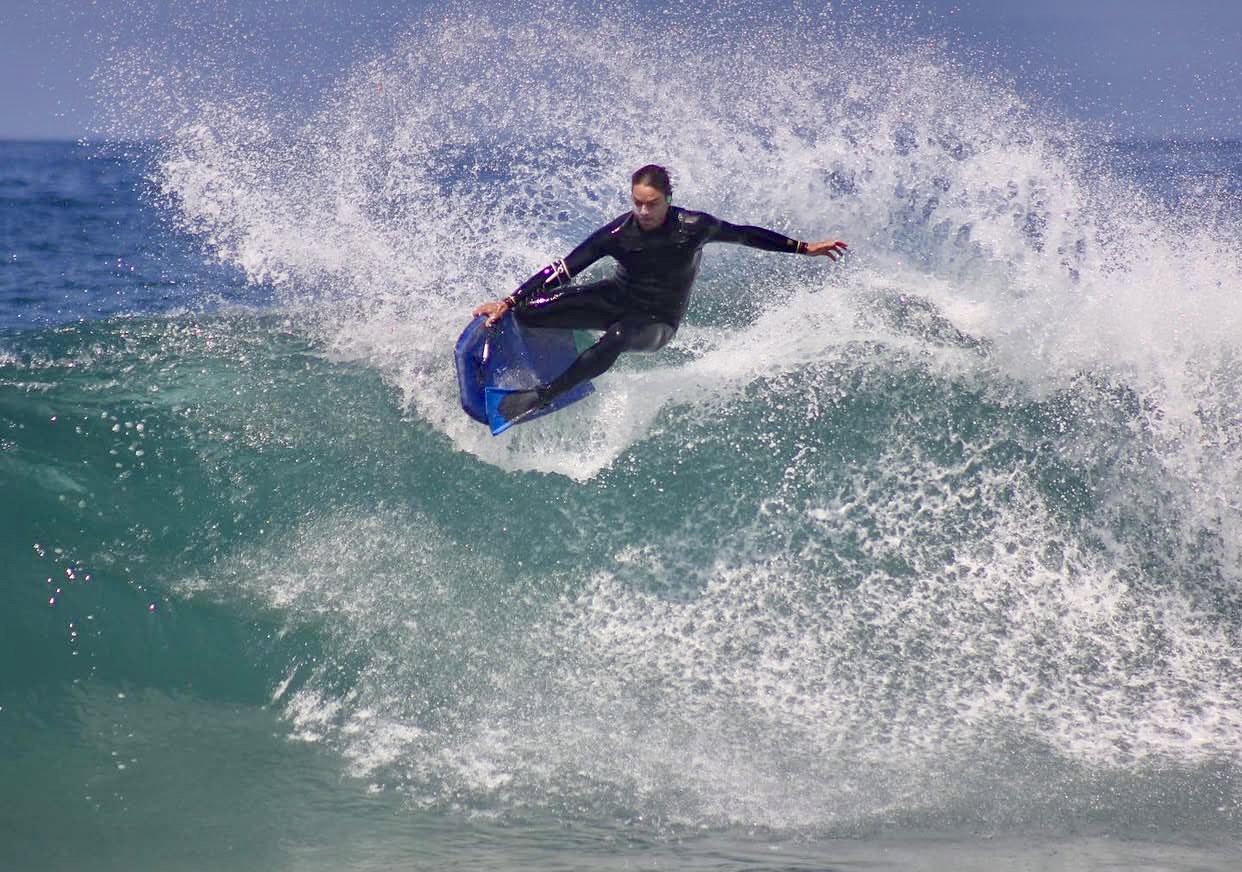
Later, by twelve, I could already ride a wave, and by fifteen, I was surfing bigger waves and really standing out in the crowd. Then, on my first trip to Tahiti at eighteen, I felt like I could finally master the barrels and the snaps without grabbing the board with my hand. While it might look easy, handling the rail-to-rail transition, as the master Dave Hubbard says, is the key to having control in many DK maneuvers. It demands a ton of core control.
- What are your favorite waves in Chile and around the world?
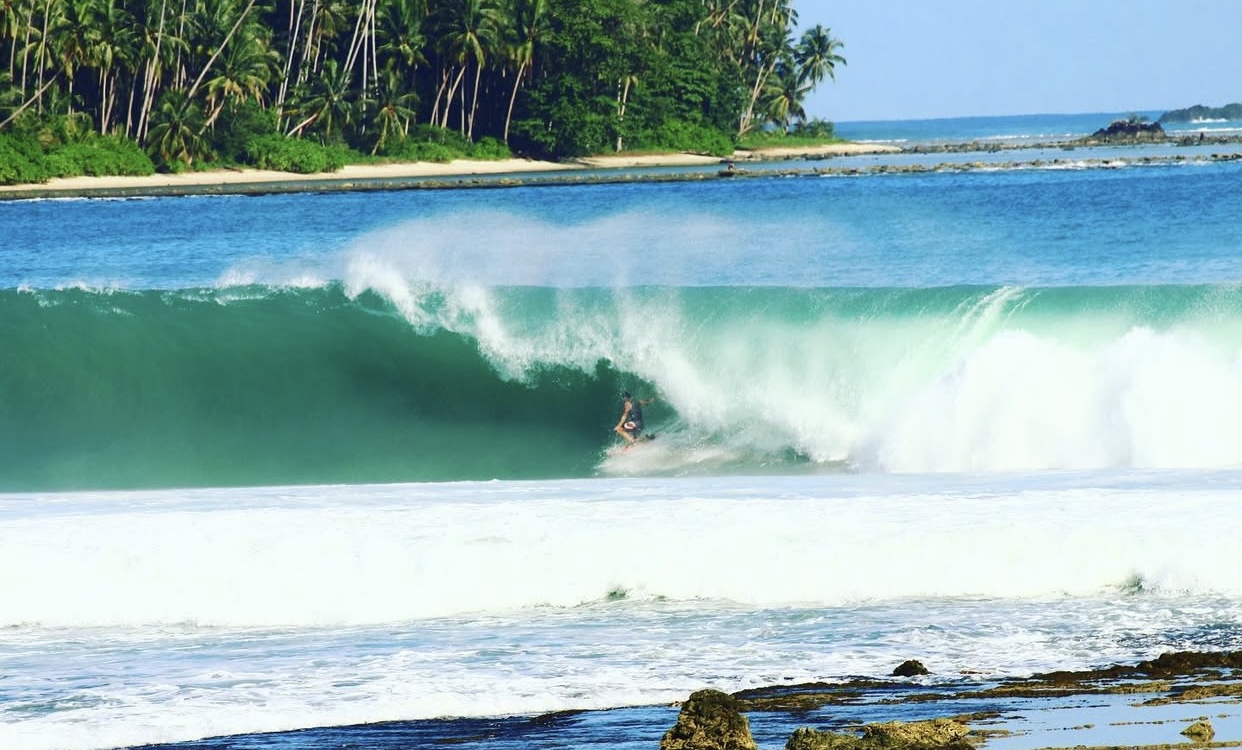
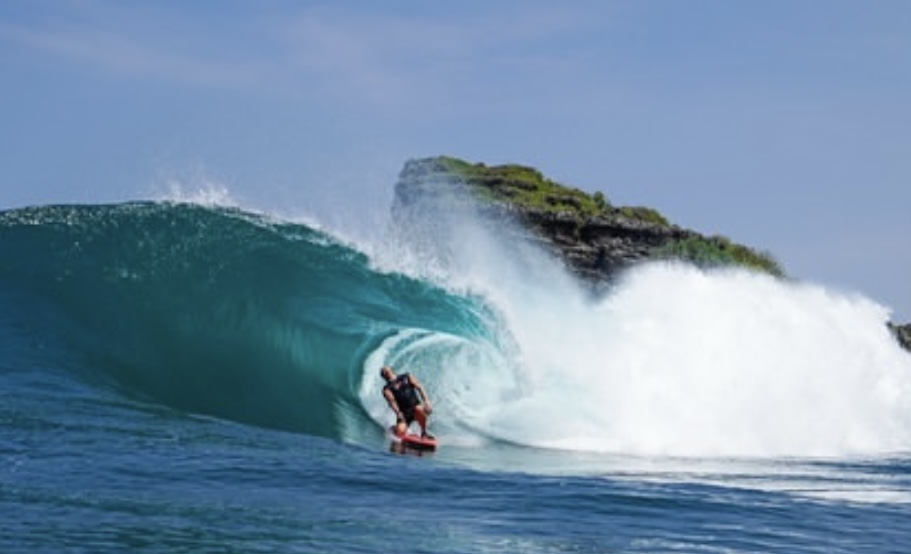
In Chile, my favorite waves are, first off, Casa, which is my local wave, and Las Cabañas / Totoralillo, where I grew up as an athlete. Nationally, like many riders worldwide, I have special respect for Iquique, with iconic waves like Colegio, Punta 2, and Punta 1. Globally, my favorite spots include Indonesia, Bocas del Toro, Ecuador, and other classic locations that have defined my career.
- Who are your idols or role models in Dropknee?
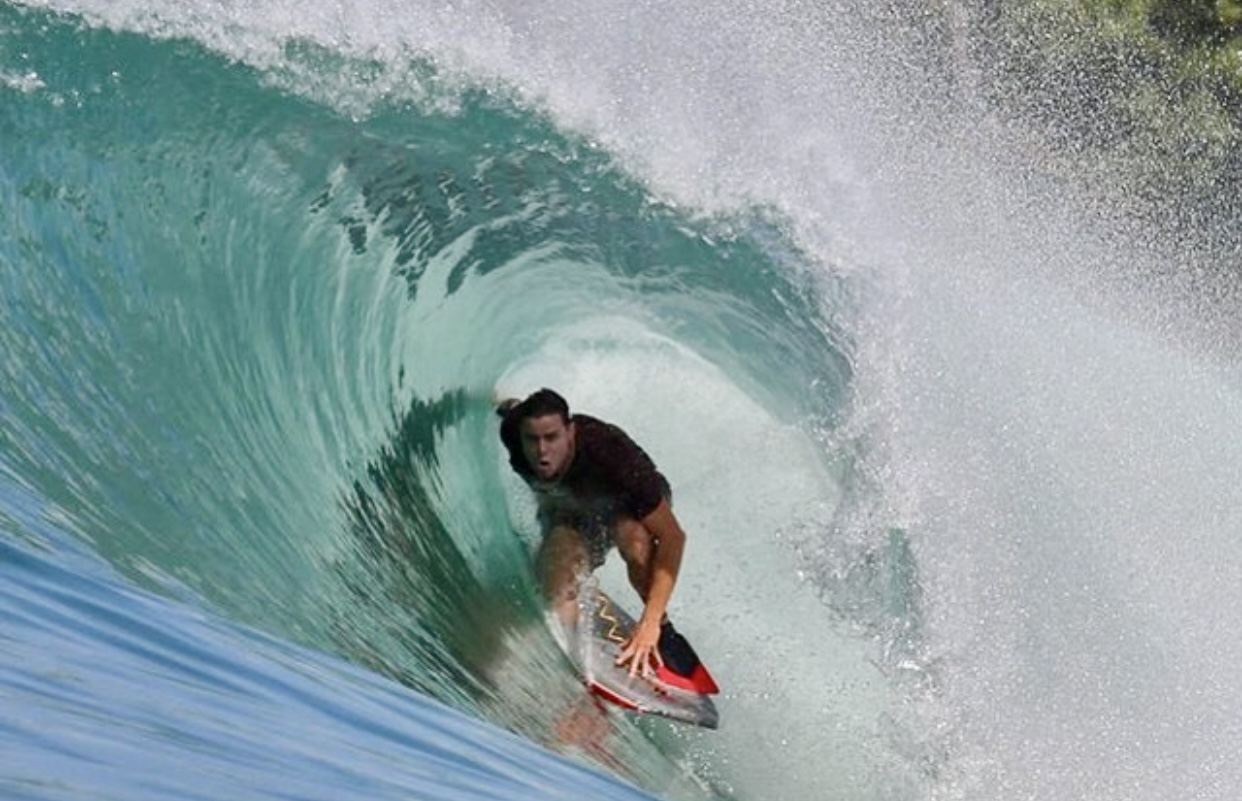
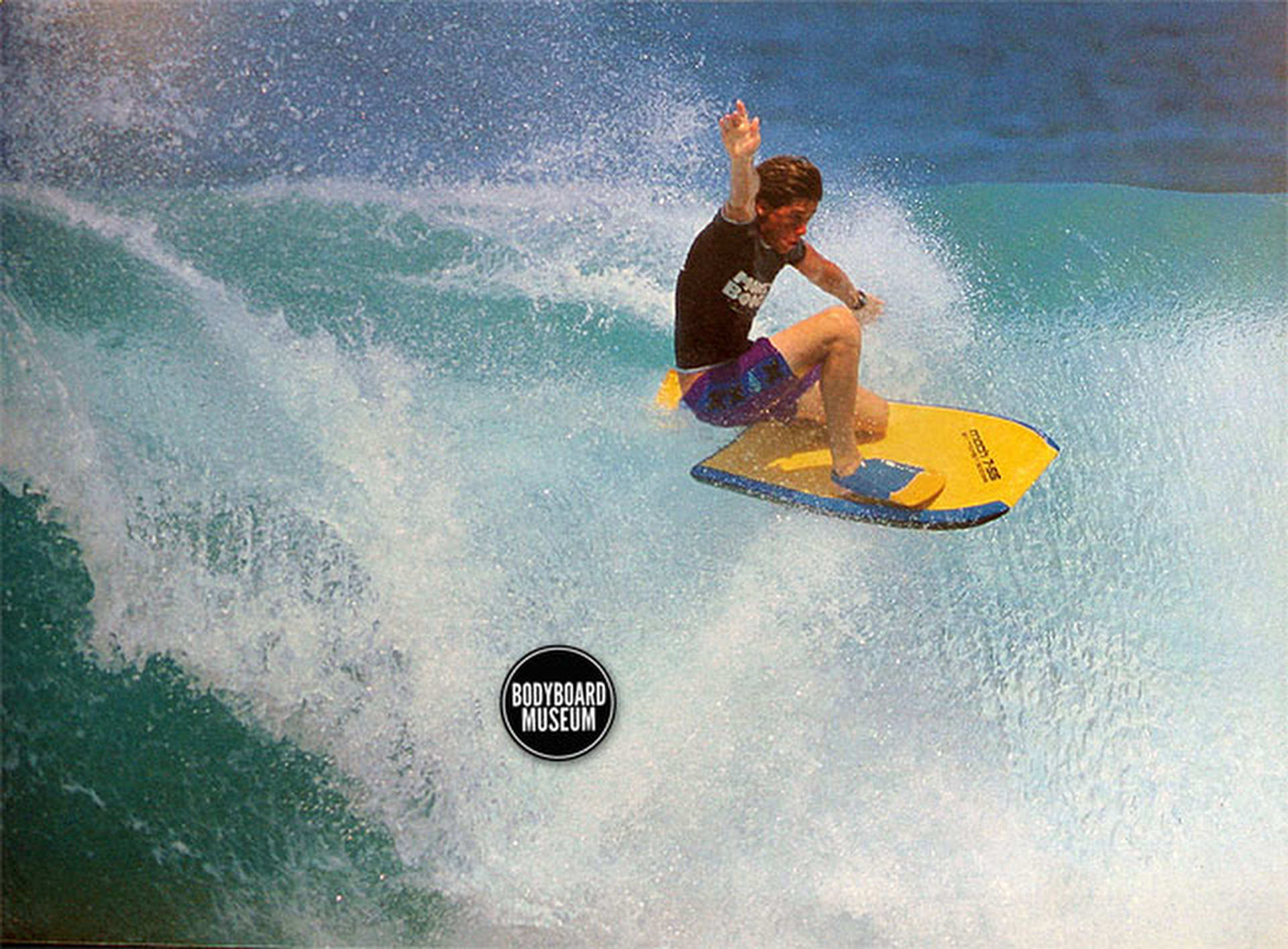
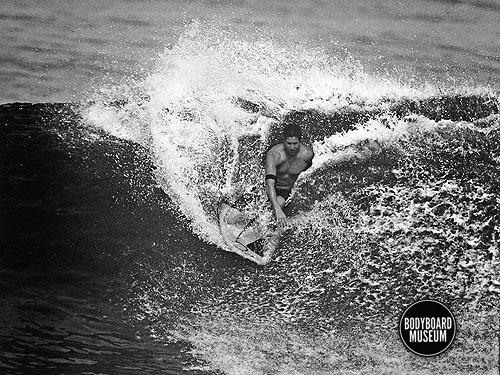
My biggest role model has always been Paul Roach, an iconic figure who took Dropknee to a level of radicalness and style that still inspires entire generations of riders today. I also have to mention Raffy Meyer, who, to me, is the rider with the best style that has ever existed on this planet.
- How do you prepare to be one of the best DK riders in the world?
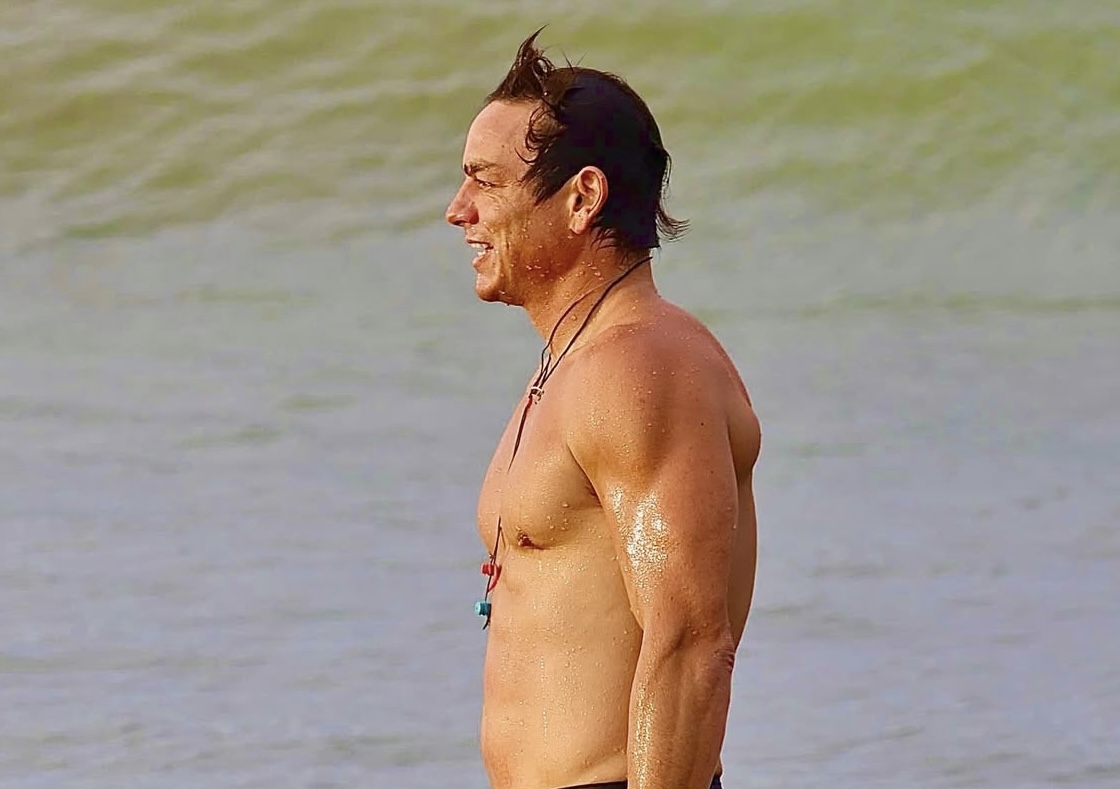
My preparation is non-stop and disciplined. My daily life is focused on the sport, physical training, and mindful eating. I generally start the morning with fasting, then go straight to training, whether that’s at the gym, swimming laps, or looking for waves where I live. I train in all kinds of conditions because being able to adapt and stay consistent are crucial for succeeding at the elite level.
- What sets DK apart from other disciplines?
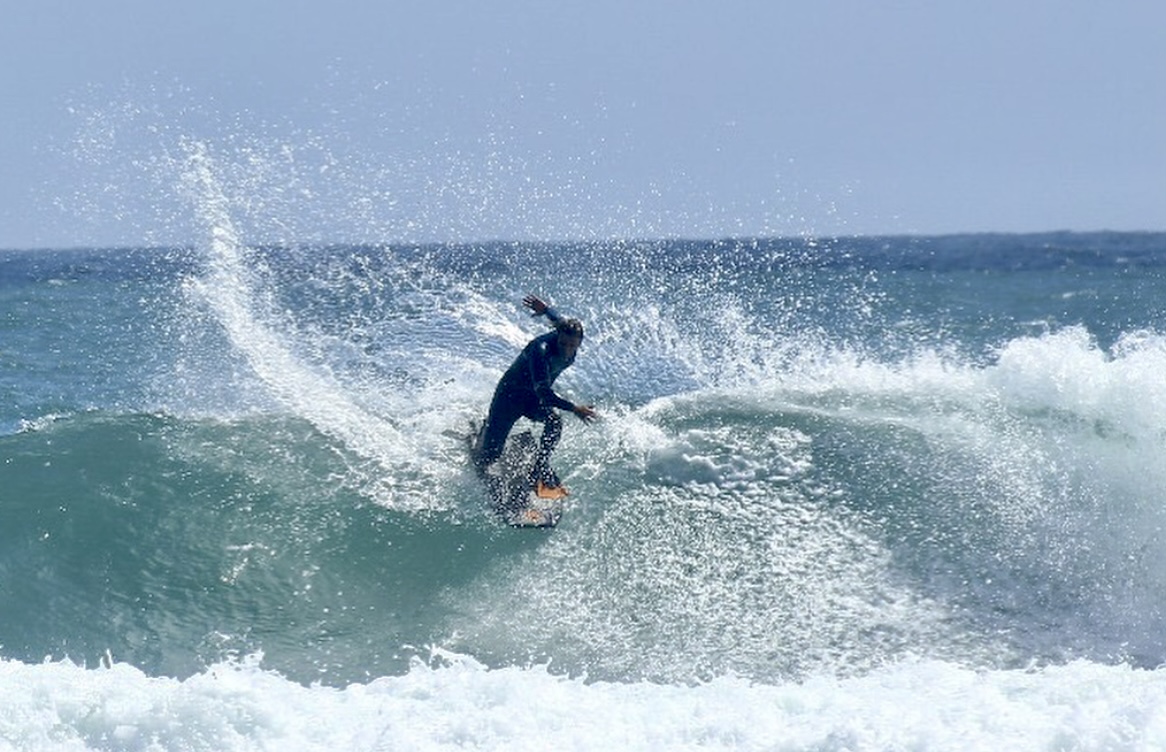
Dropknee stands out because of its radical nature, technical complexity, and deep connection with the wave. It’s a discipline that demands balance, power, precise reading of the ocean, and a unique sensitivity to execute every maneuver. That combination is what, to me, makes it one of the most spectacular bodyboarding disciplines. Not having anything more than the rail to control your board is, without a doubt, the hardest way to slide on any board sport.
- Where would you like to surf that you haven’t been able to yet?
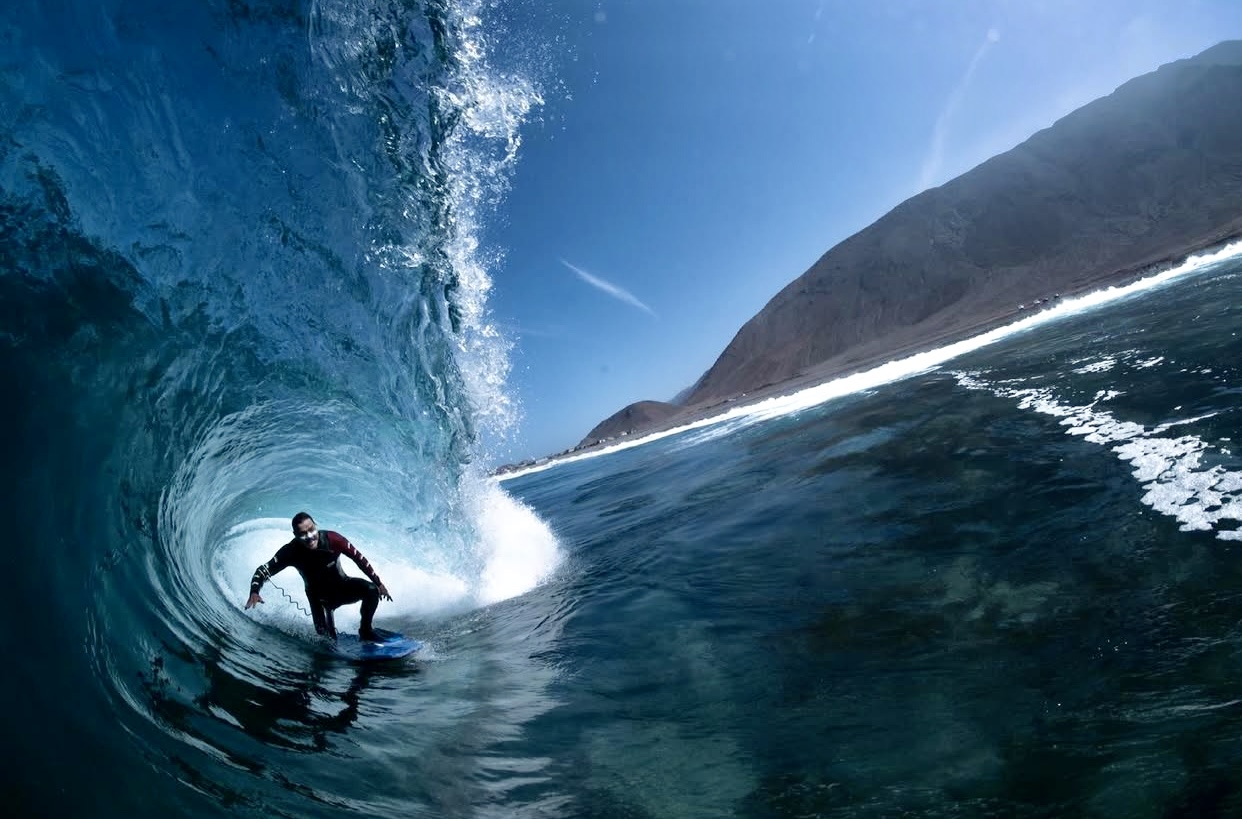
I’ve been to many spots around the world, but I still have the outstanding challenge of surfing some spots in Australia, Europe, and Africa. I see that as the next step in my athletic progression.
- Message for those who want to learn or improve in DK:
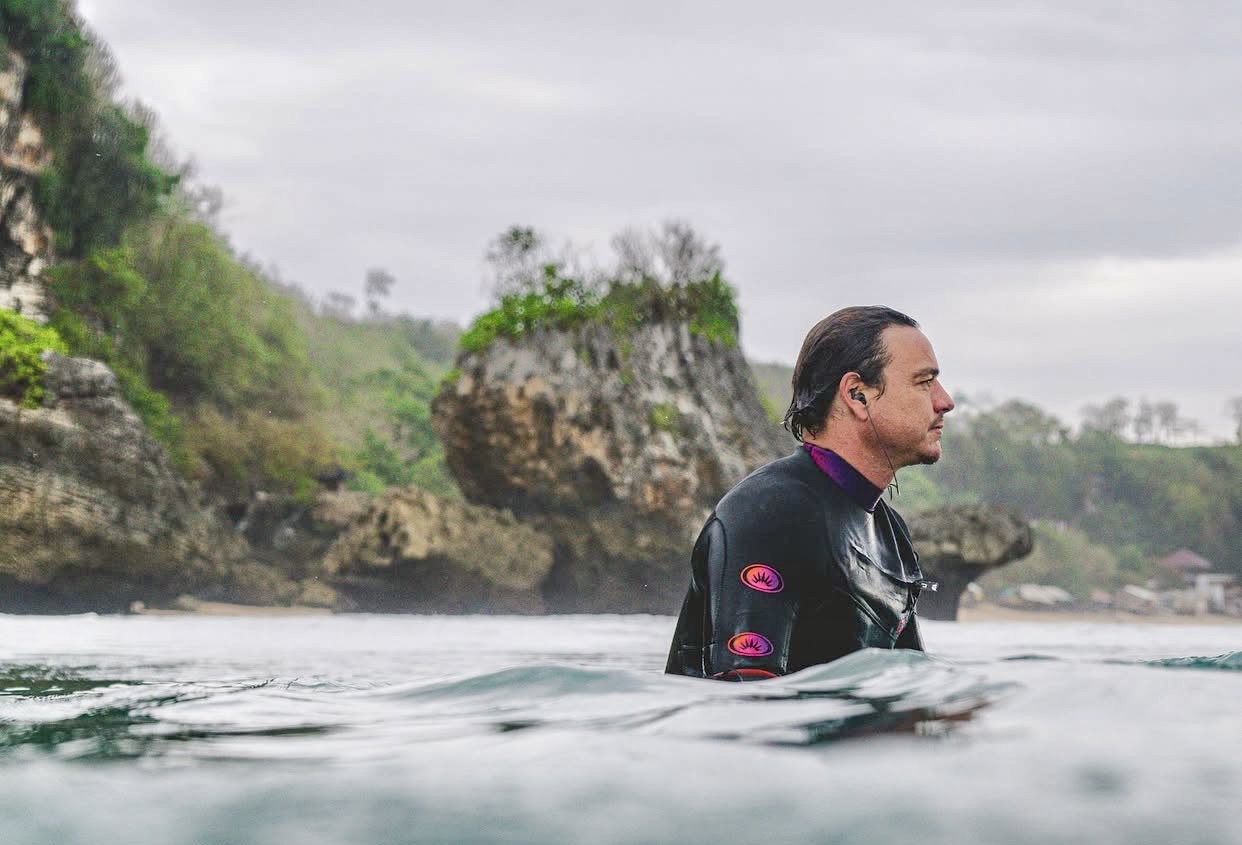
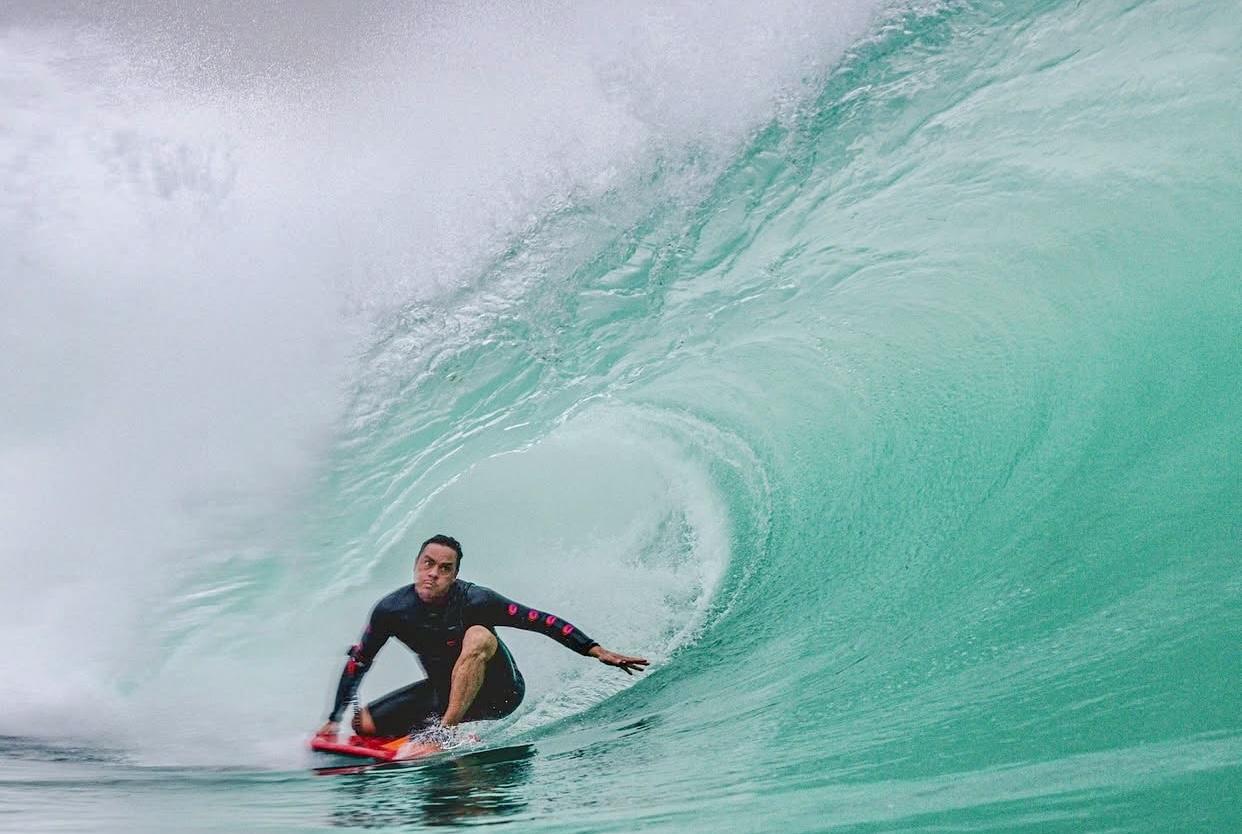
Dropknee is a sport that is as beautiful as it is demanding. My message is simple: don’t settle. Every session, every wipeout, every little bit of progress adds up. The key is maintaining a positive mindset, discipline, respect for the ocean, and the conviction that you can always go for more. Self-improvement is the true path of the rider.
- What have been your favorite trips?
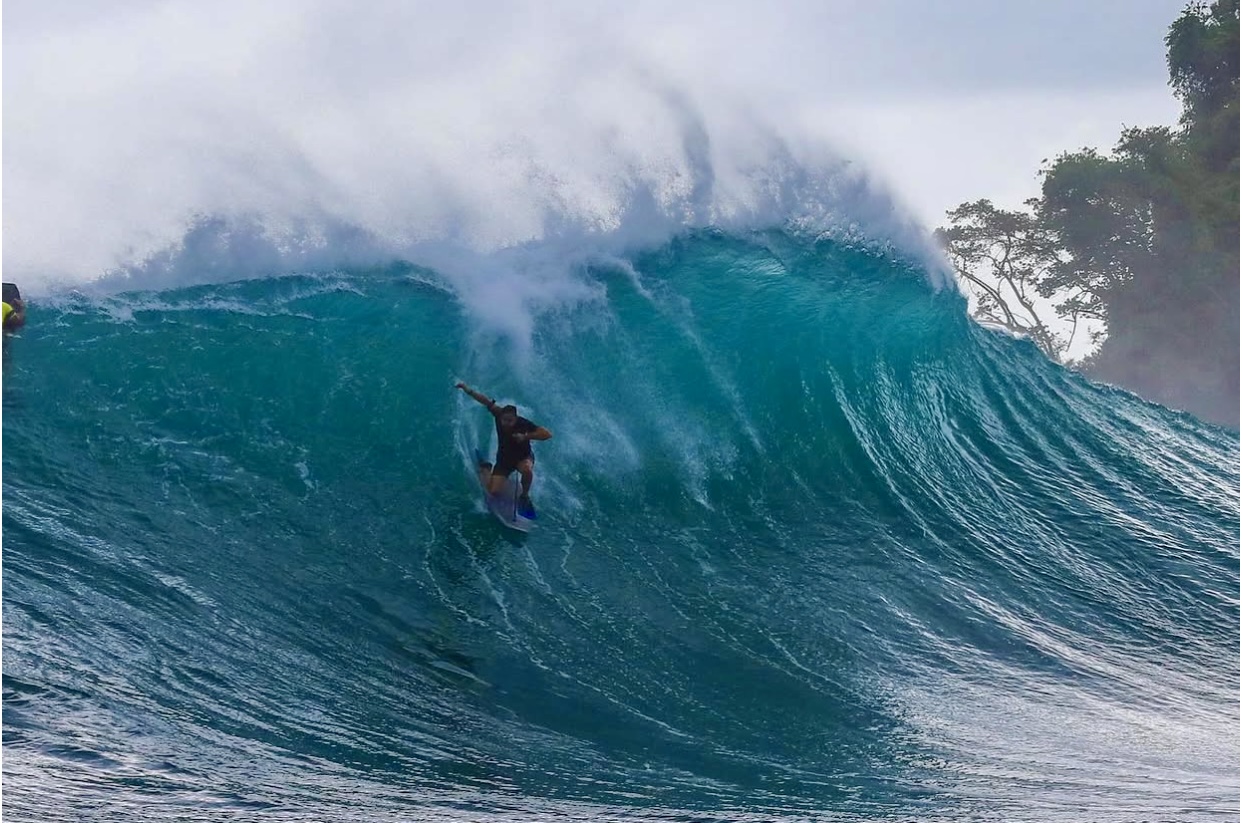
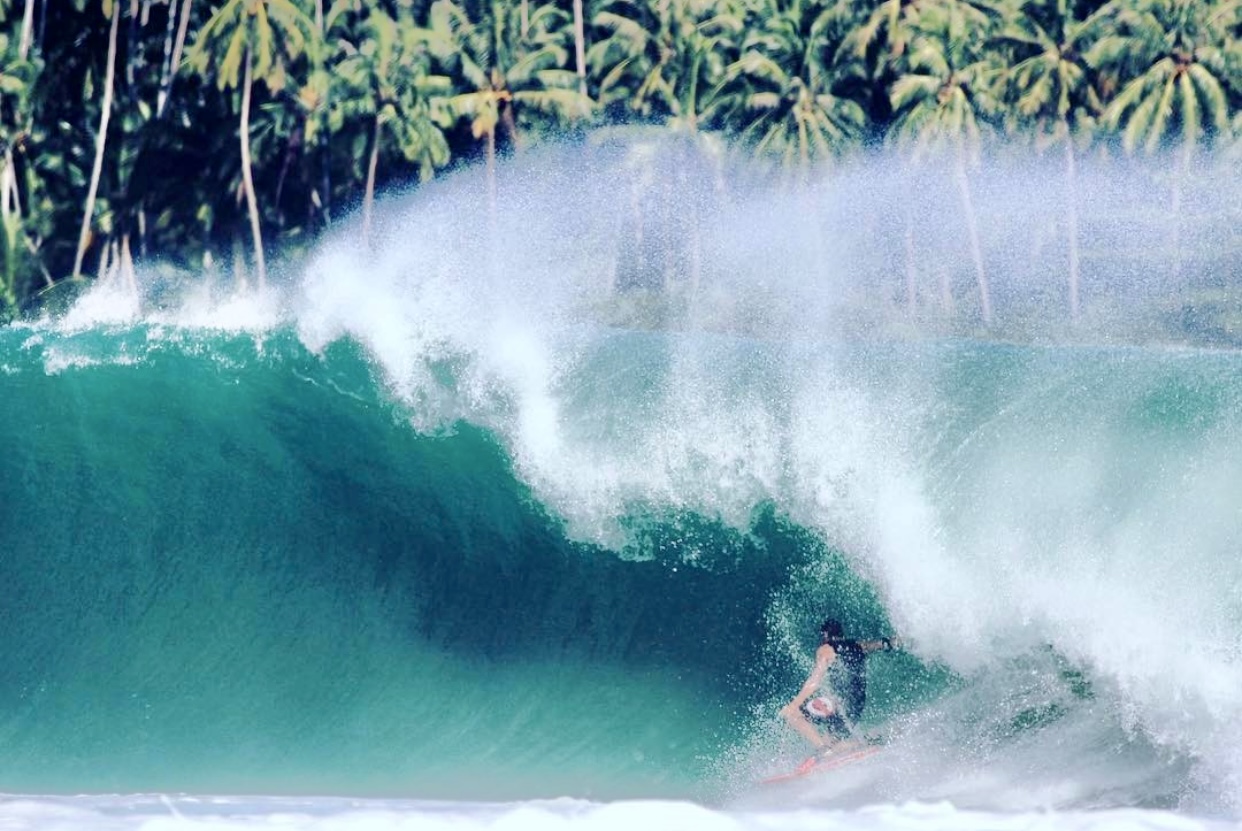
My favorite trips have been Indonesia and Bocas del Toro, places where the waves, the culture, and the experiences I had really left a mark on me. Every trip has been a chance to grow, learn, and connect with athletes from all over the world.
- Message to worldwide promoters:
We didn’t have any international Dropknee events this year, so I want to send a motivational message to all the organizers and promoters of the sport: Dropknee is a discipline that’s present on beaches all over the world and has huge potential. It has its own identity, it’s radical, and it has a loyal, constantly growing community. I encourage you to keep pushing this discipline, to not let it fade away, and to trust the athletes who professionally prepare year after year to compete at the highest level. The history of DK is still alive, and it’s up to all of us to keep writing it.
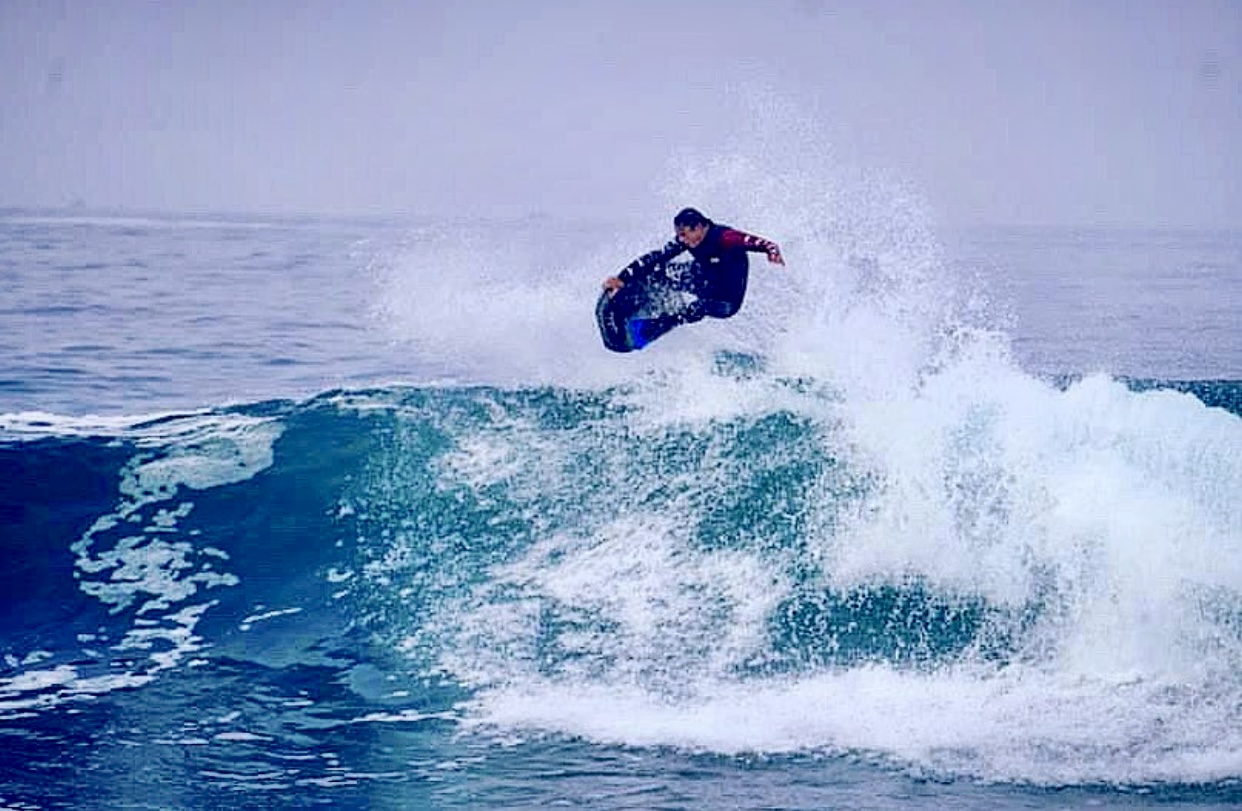
- Favorite maneuver and how to do it:
My favorite maneuvers are the snaps and, definitely, the barrels (tubes). To execute them correctly, you need to maintain a solid stance, good speed, and read the wave ahead of time. The control of the board’s rail, the force of the turn, and the precision at every moment turn each maneuver into a pure expression of style and commitment.
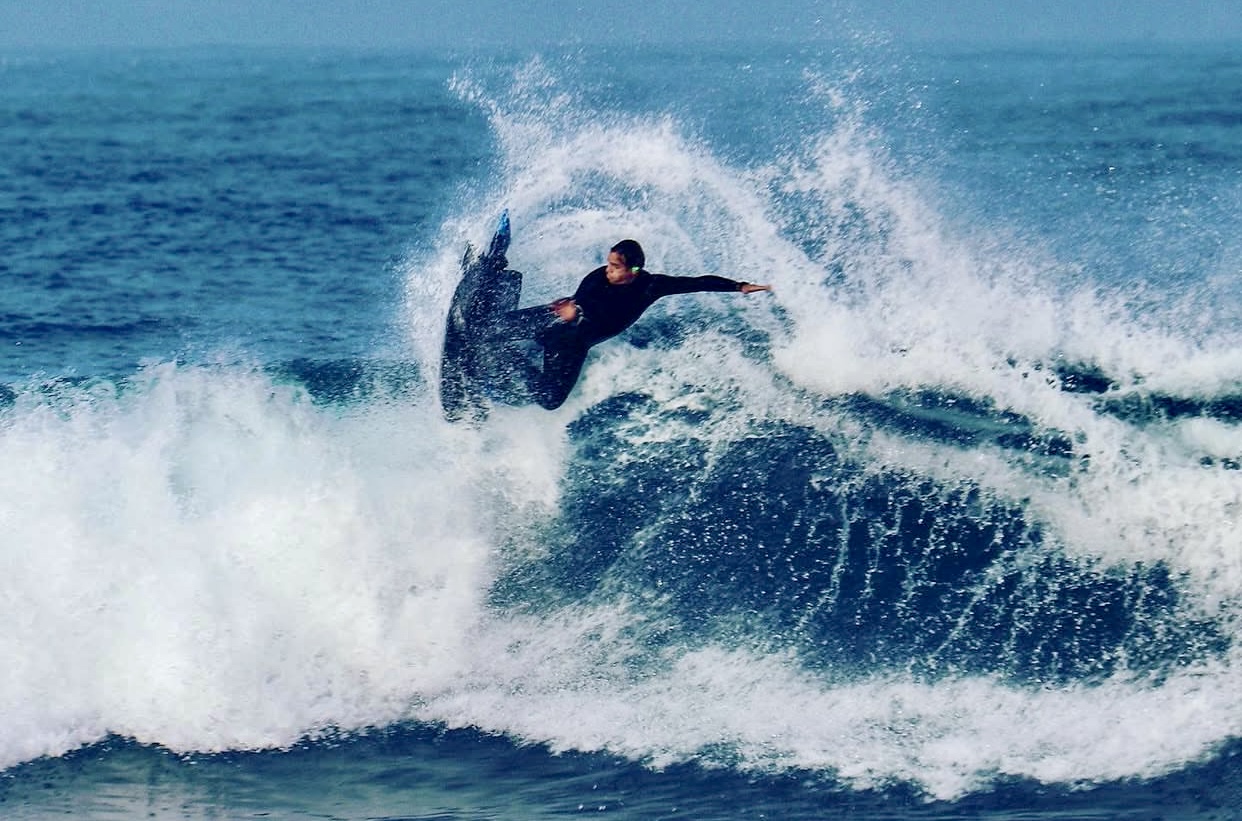
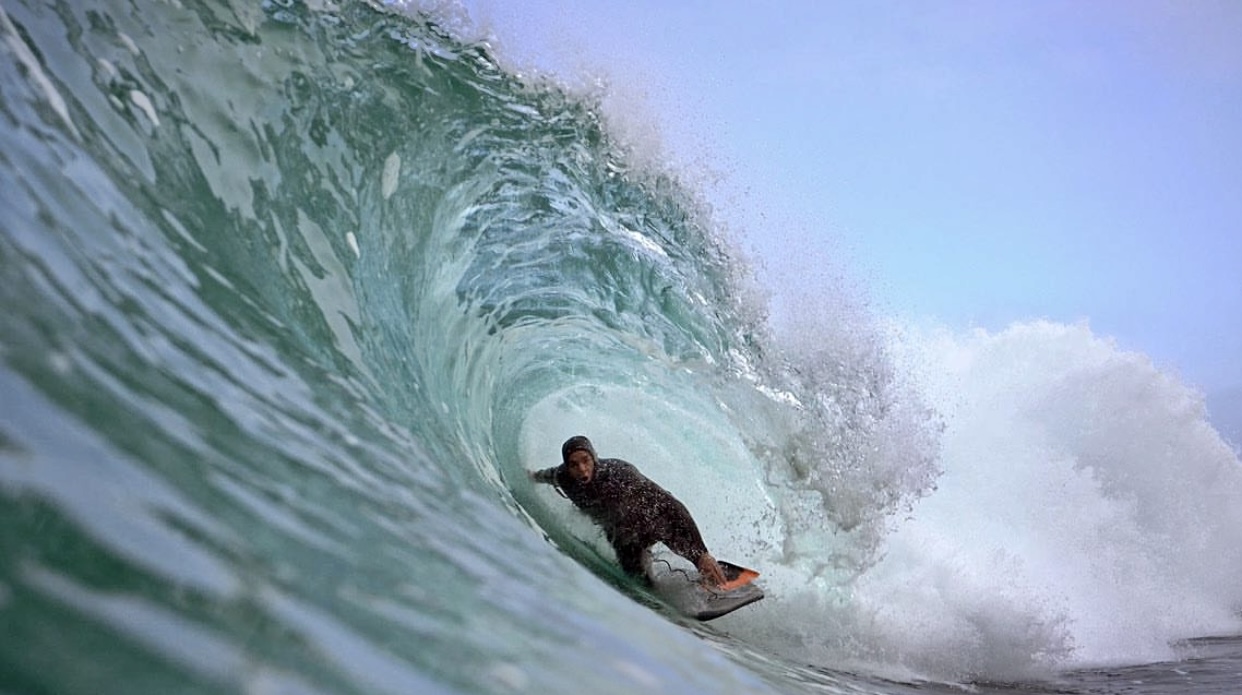
- If you could choose one wave for a DK competition, what would it be?
It would be a dream to compete at my local wave because of its consistency, shape, and potential to show the real level of Dropknee. It’s a wave that rewards technique and radicalness, which are essential characteristics for a high-level competition.
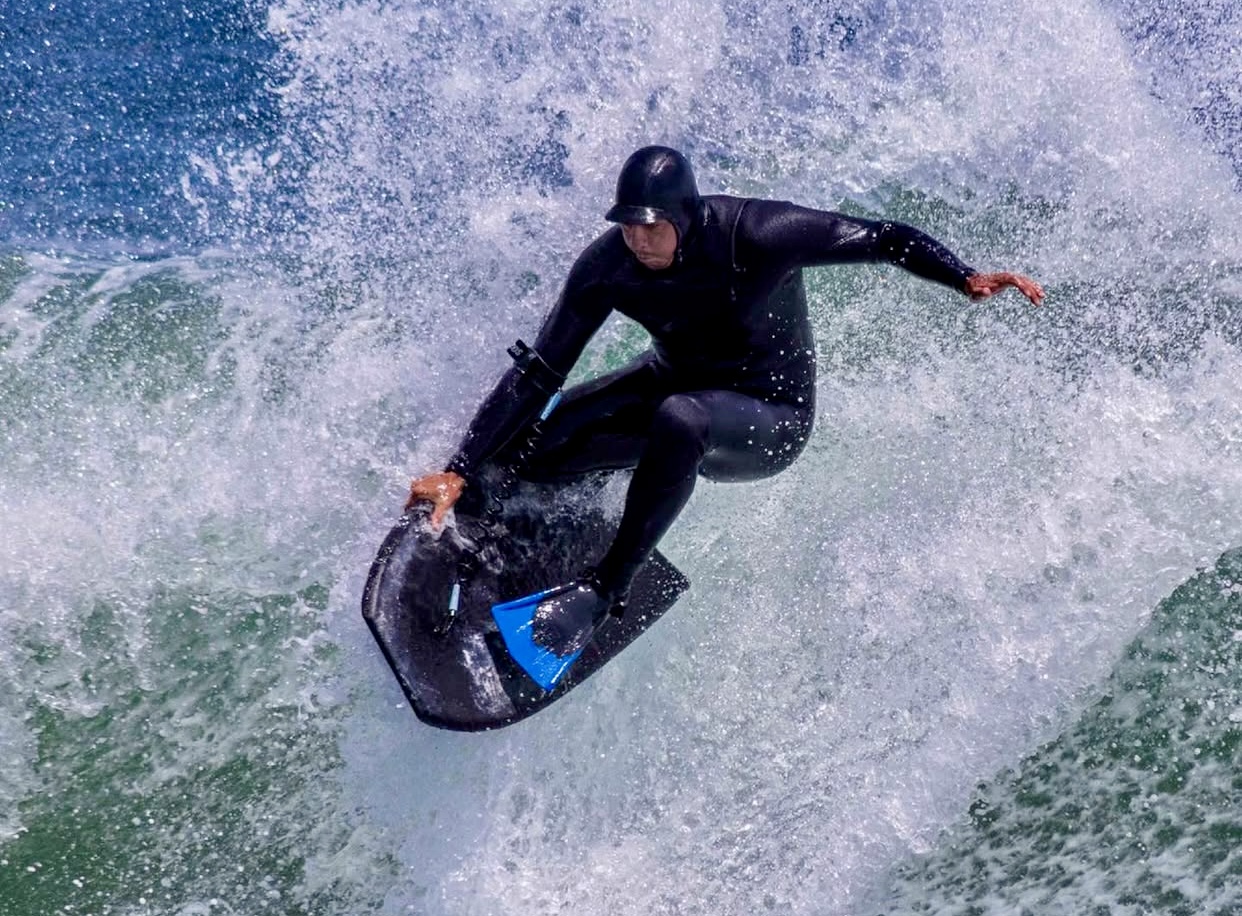
But thinking more accurately and realistically, it would be Morocco. It’s a stop on the world tour, and I know many DK riders globally would be thrilled to compete there. Also in Iquique, Punta Dos is a two-way wave that gives goofies (riders who face right) and regulars (riders who face left) an equal chance to show their skills on both their backside and frontside.
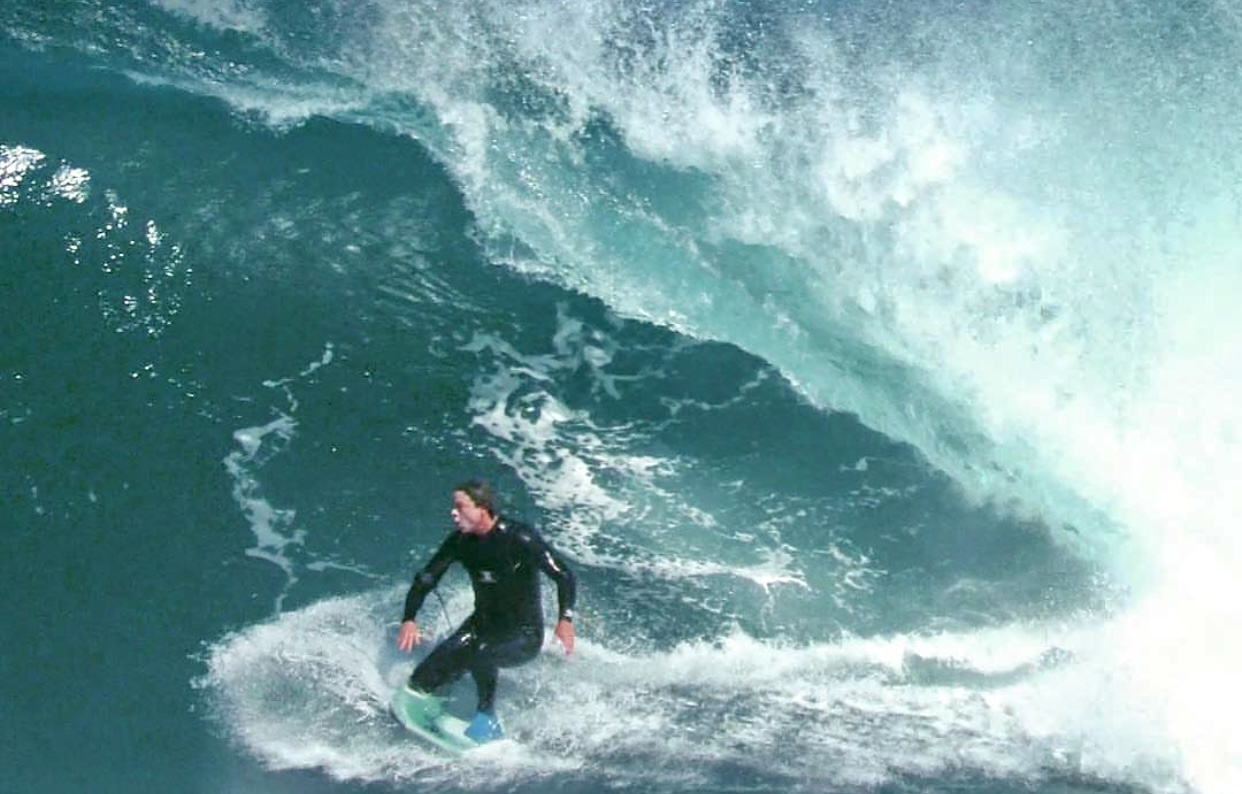
- What’s Michel Copetta’s daily life like?
My day-to-day life is all about sports. I maintain a routine focused on physical training, nutritional care, and the constant search for waves. Between the gym, swimming, and sessions in the ocean, my life is centered on keeping up my progress and staying competitive globally.
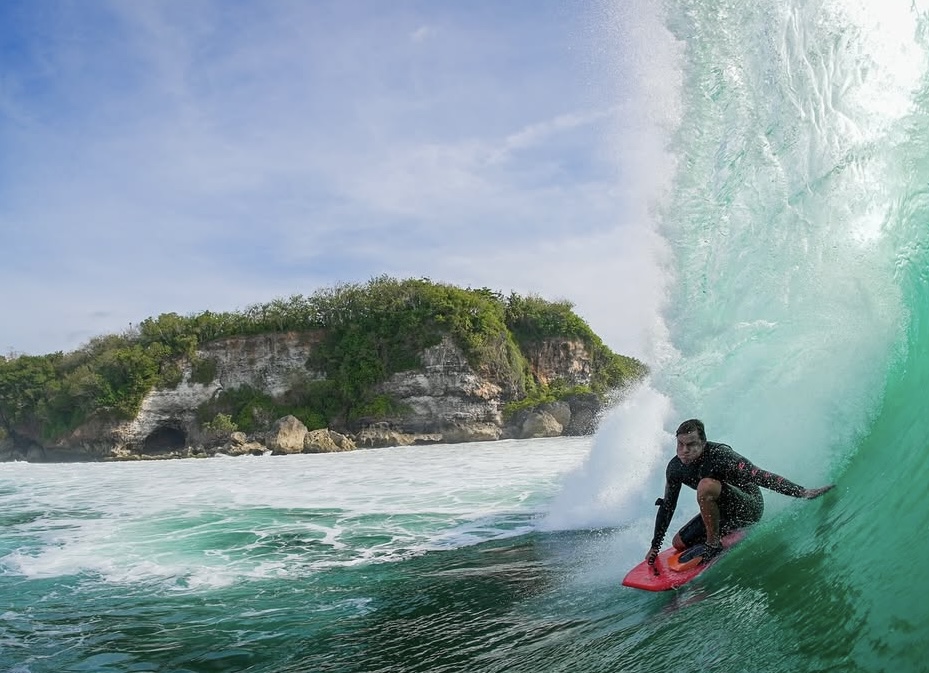
- What is the key to promoting DK and keeping it alive?
The foundation is in promoting discipline, organizing more events, giving visibility to the athletes, and educating the new generations about the beauty and demands of Dropknee. As long as there are places to compete, learn, and share, this discipline will continue to grow as one of the most radical in bodyboarding. It’s essential to support the new generations and start locally—that’s the job of every school, club, and experienced DK rider.
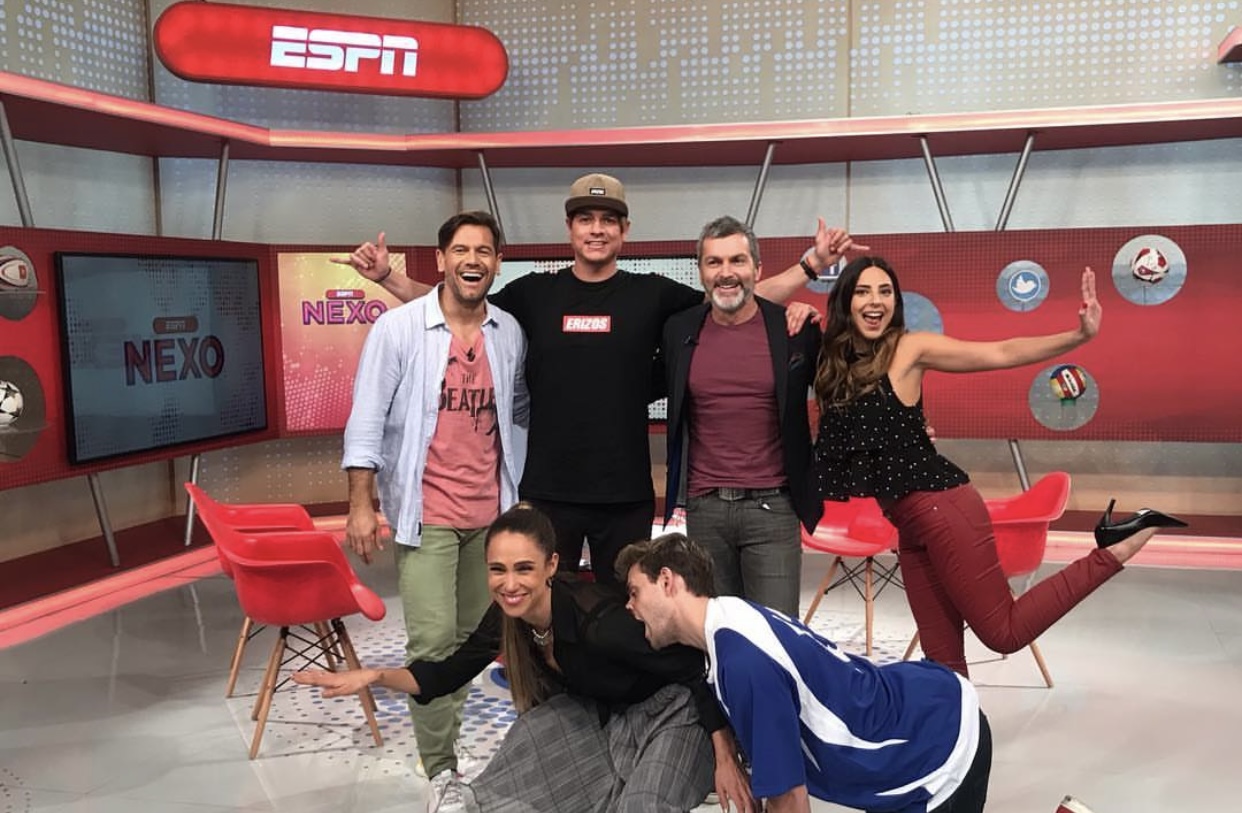
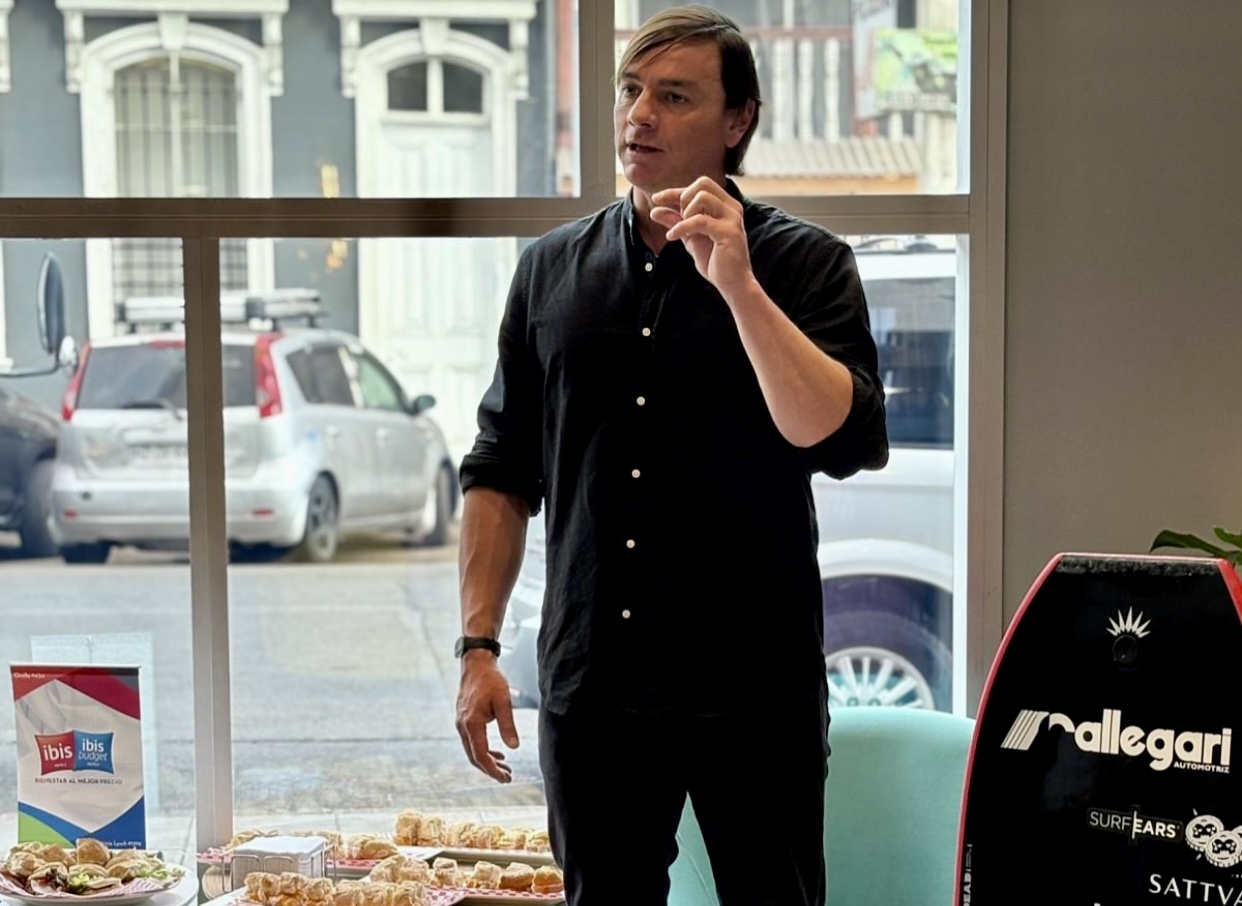
- Space to thank or express what you wish:
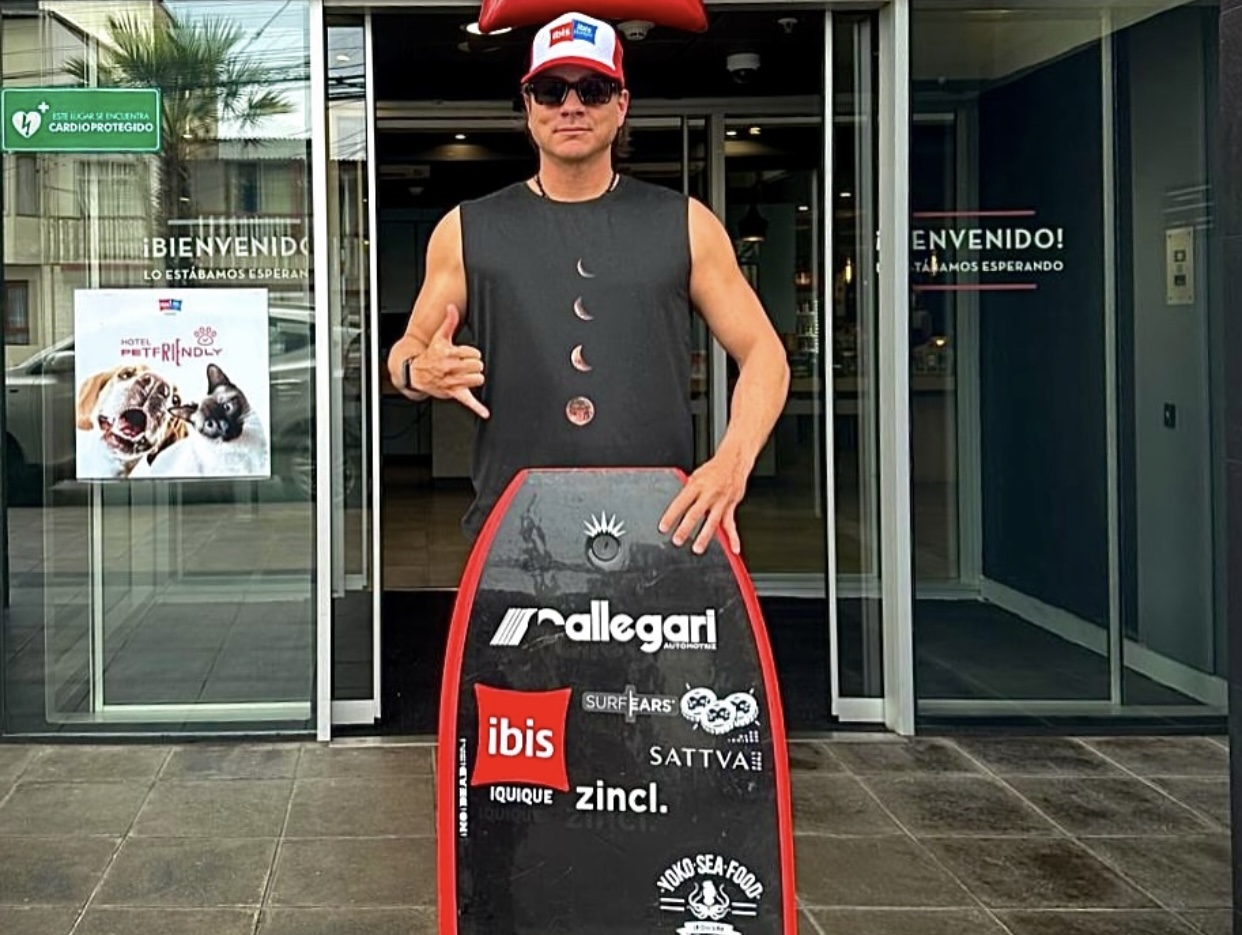
I want to thank everyone who makes my professional athletic development possible: Callegari, IBIS Hotel, SPA del Mar, ERIZOS Surf Brand, Trajes Vikings, Satva Suplementos, surfe ears chile, zinc.cl, sbsport, and my sports club, Totodrake.
A special thank you to my family and the entire team behind my career—my friends, directors, and coaches who gave me that motivational boost and helped me believe in my abilities.
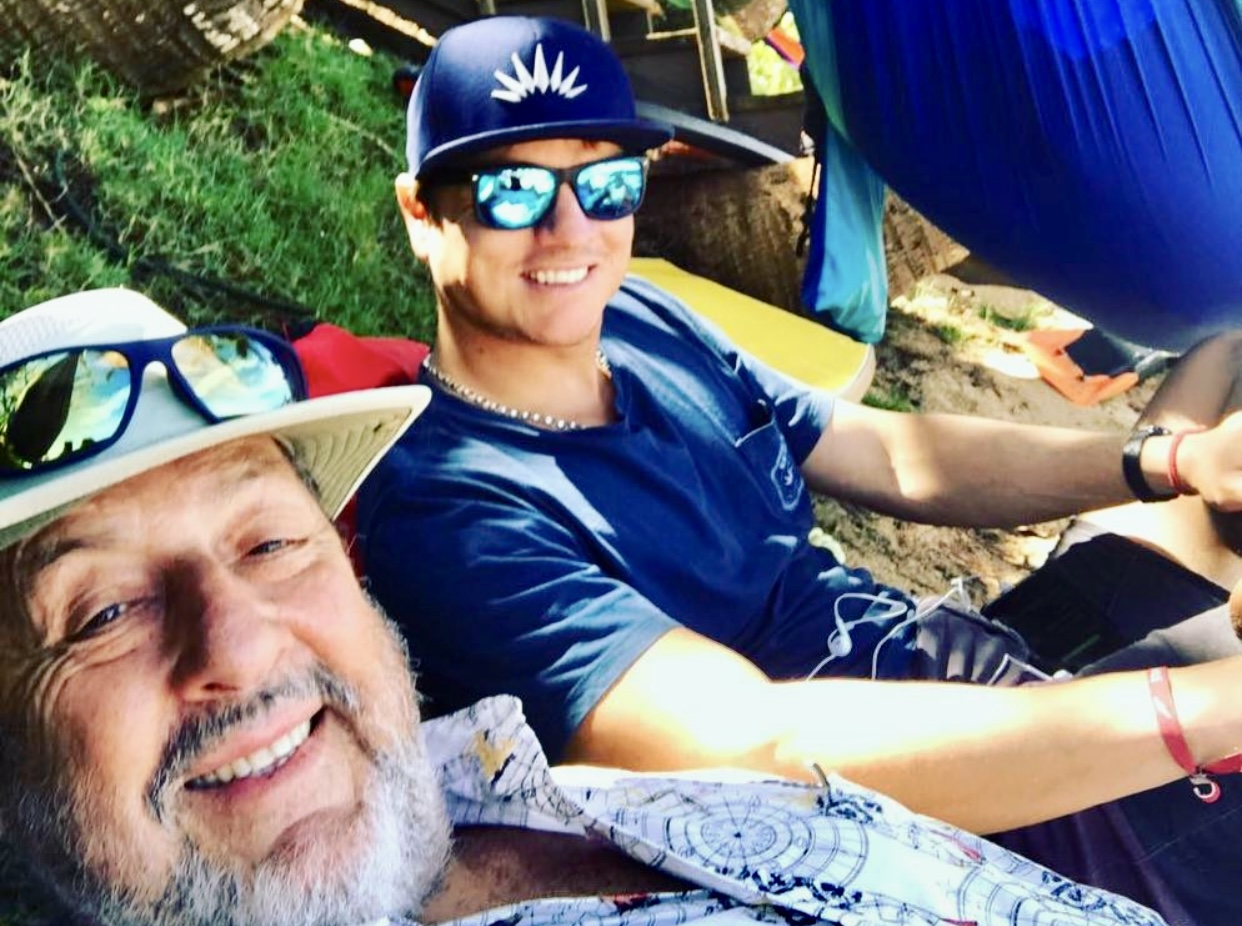
Thank you for believing in me, for supporting me, and for continuing to push this dream that started thirty years ago on the beaches of Coquimbo.
Instagram: michelcopetta